
Building Internal Developer Platforms with Backstage
In the ever-evolving landscape of software development, the need for efficient and scalable internal developer platforms (IDPs) has never been more critical. As organizations grow, so does the complexity of their systems, making it essential to streamline processes and improve developer productivity. Enter Backstage, an open-source platform developed by Spotify, designed to simplify the creation and management of IDPs.
Why This Topic Matters Now
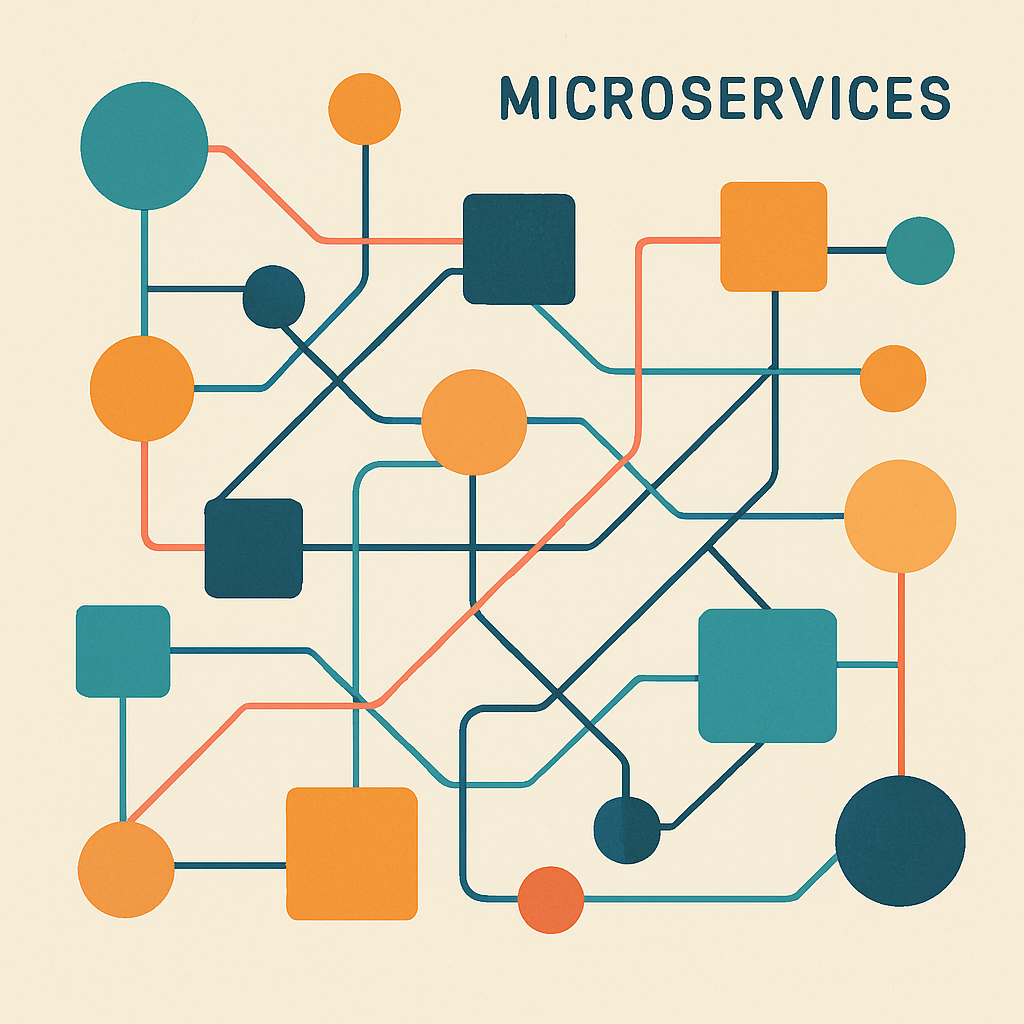
As we move into 2025 and beyond, the demand for robust internal developer platforms is skyrocketing. With the rise of microservices, cloud-native architectures, and DevOps practices, organizations are seeking ways to reduce cognitive load on developers and enhance collaboration across teams. Backstage offers a solution by providing a centralized hub for managing services, documentation, and tooling, ultimately leading to faster delivery cycles and improved software quality.
Deep Dive into Concepts
Backstage is built on the principles of extensibility and customization, allowing organizations to tailor the platform to their specific needs. At its core, Backstage provides a service catalog, which acts as a single source of truth for all services within an organization. This catalog is enriched with metadata, documentation, and operational information, making it easier for developers to discover and understand the services they interact with.
Example: Service Catalog in Backstage
apiVersion: backstage.io/v1alpha1
kind: Component
metadata:
  name: my-service
  description: A sample service
spec:
  type: service
  owner: team-a
  lifecycle: production
In this example, a service is defined with metadata such as its name, description, type, owner, and lifecycle stage. This information is crucial for maintaining a well-organized and easily navigable service catalog.
Real-World Use Cases and Architecture Patterns
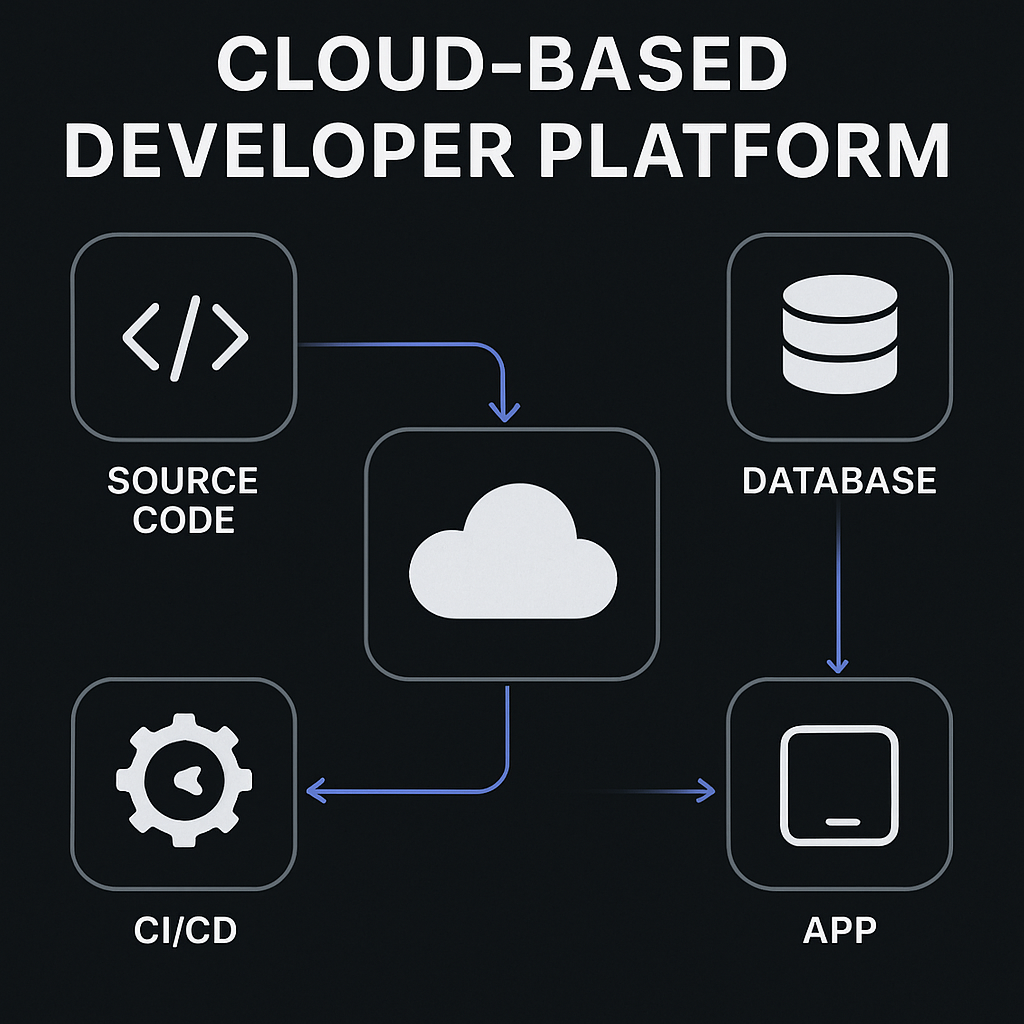
Organizations like Spotify, Expedia, and Zalando have successfully implemented Backstage to build their internal developer platforms. These companies leverage Backstage to create a unified interface for managing microservices, CI/CD pipelines, and infrastructure as code.
Architecture Pattern: Microservices with Backstage
In this architecture, developers interact with the Backstage UI to access the service catalog, CI/CD integrations, and infrastructure management tools. This setup promotes a self-service model, empowering developers to manage their services independently.
Pros, Cons, and Challenges
Pros
- Centralized Management: Backstage provides a single interface for managing all aspects of the development lifecycle.
- Extensibility: The plugin-based architecture allows for easy customization and integration with existing tools.
- Improved Developer Experience: By reducing cognitive load, developers can focus on writing code rather than managing infrastructure.
Cons
- Initial Setup Complexity: Setting up Backstage requires a thorough understanding of its architecture and integration points.
- Maintenance Overhead: As with any platform, ongoing maintenance and updates are necessary to keep Backstage running smoothly.
Challenges
- Cultural Shift: Adopting Backstage may require a shift in organizational culture towards a more collaborative and transparent approach.
- Scalability: Ensuring that Backstage scales with the organization’s growth can be challenging, especially in large enterprises.
Best Practices / Recommendations
- Start Small: Begin with a pilot project to understand Backstage’s capabilities and limitations before scaling.
- Engage Stakeholders: Involve developers, DevOps engineers, and system architects in the planning and implementation process.
- Focus on Documentation: Ensure that all services are well-documented within the service catalog to maximize the platform’s benefits.
Common Mistakes Engineers Make
- Overcomplicating Integrations: Engineers often try to integrate too many tools at once, leading to a cluttered and confusing platform.
- Neglecting User Feedback: Failing to gather and act on developer feedback can result in a platform that doesn’t meet user needs.
When NOT to Use This Approach
- Small Teams: For small teams with limited services, the overhead of setting up and maintaining Backstage may outweigh the benefits.
- Simple Architectures: In cases where the architecture is straightforward, a full-fledged IDP may be unnecessary.
How This Impacts System Design Interviews
Understanding how to build and manage internal developer platforms like Backstage can be a valuable asset in system design interviews. It demonstrates a candidate’s ability to think holistically about software development processes and infrastructure management.
Future Outlook
As the software development landscape continues to evolve, the role of internal developer platforms will become increasingly important. Backstage is poised to play a significant role in this evolution, with ongoing contributions from the open-source community driving innovation and adoption.
Conclusion
Building internal developer platforms with Backstage offers a powerful way to enhance developer productivity and streamline operations. By centralizing service management and fostering a culture of collaboration, organizations can achieve faster delivery cycles and improved software quality. As we look to the future, embracing tools like Backstage will be crucial for staying competitive in the ever-changing world of software development.