
Building Self-Service Infrastructure Portals for Engineers
In the fast-paced world of software development, engineers often find themselves waiting for infrastructure resources to be provisioned, configured, or modified. This bottleneck can slow down development cycles and stifle innovation. Enter self-service infrastructure portals—an empowering solution that allows engineers to manage their own infrastructure needs with minimal friction.
Why This Topic Matters NOW
As we move into 2025 and beyond, the demand for rapid development and deployment cycles has never been higher. Organizations are increasingly adopting microservices, cloud-native architectures, and DevOps practices to stay competitive. Self-service infrastructure portals are becoming a critical component in this ecosystem, enabling engineers to quickly spin up resources, experiment, and iterate without waiting for centralized IT teams.
Deep Dive into Concepts
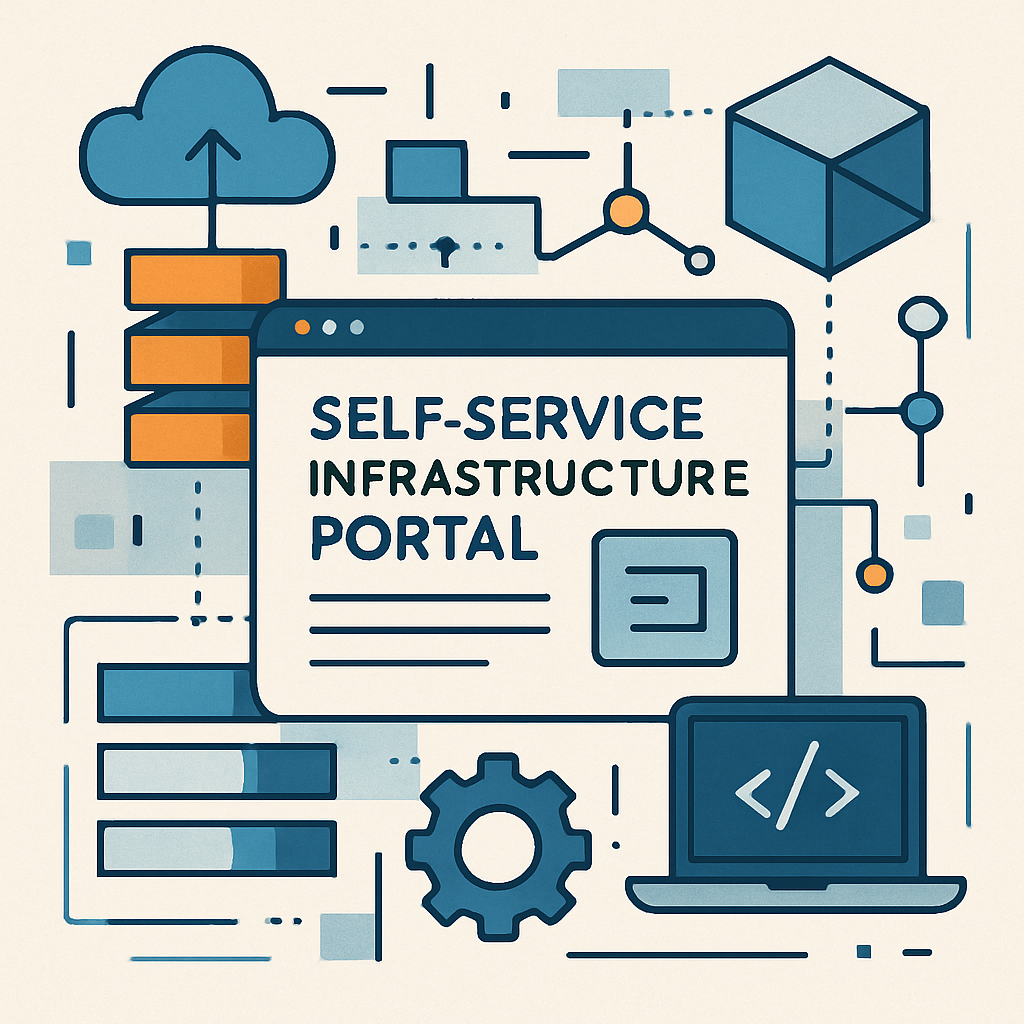
Self-service infrastructure portals are web-based interfaces that allow engineers to request, configure, and manage infrastructure resources such as virtual machines, containers, databases, and networking components. These portals integrate with cloud providers (e.g., AWS, Azure, GCP) and on-premises systems to provide a seamless experience.
Example: A Simple Self-Service Portal
Consider a Java Spring Boot application that serves as a self-service portal. Engineers can log in, select the resources they need, and submit a request. The portal then interacts with cloud APIs to provision the resources.
@RestController
@RequestMapping("/api/infrastructure")
public class InfrastructureController {

    @PostMapping("/provision")
    public ResponseEntity<String> provisionResource(@RequestBody ResourceRequest request) {
        // Logic to interact with cloud provider APIs
        boolean success = cloudService.provisionResource(request);
        return success ? ResponseEntity.ok("Resource provisioned successfully")
                       : ResponseEntity.status(HttpStatus.INTERNAL_SERVER_ERROR).body("Provisioning failed");
    }
}

Real-World Use Cases and Architecture Patterns
Use Case: Microservices Deployment
In a microservices architecture, each service may require its own set of infrastructure resources. A self-service portal can streamline the deployment process by allowing engineers to define infrastructure as code (IaC) templates for their services. These templates can be stored in a version control system and executed via the portal.
Use Case: Development Environments
Developers often need isolated environments for testing and development. A self-service portal can automate the creation of these environments, ensuring consistency and reducing setup time.
Pros, Cons, and Challenges
Pros
- Empowerment: Engineers can manage their own resources, reducing dependency on IT teams.
- Speed: Faster provisioning leads to quicker development cycles.
- Consistency: Infrastructure as code ensures environments are consistent and reproducible.
Cons
- Complexity: Building and maintaining a portal requires significant effort.
- Security: Ensuring secure access and resource management is challenging.
- Cost: Uncontrolled provisioning can lead to increased cloud costs.
Challenges
- Integration: Seamlessly integrating with various cloud providers and on-premises systems.
- User Experience: Designing an intuitive interface that meets engineers' needs.
Best Practices / Recommendations
- Start Small: Begin with a limited set of resources and expand as needed.
- Automate Everything: Use IaC and automation tools to reduce manual intervention.
- Monitor Usage: Implement monitoring and alerts to track resource usage and costs.
- Security First: Ensure robust authentication and authorization mechanisms.
Future Outlook
As AI and machine learning continue to evolve, self-service portals will likely incorporate intelligent recommendations and automated optimizations. This will further enhance the efficiency and effectiveness of infrastructure management.
Common Mistakes Engineers Make
- Over-Provisioning: Requesting more resources than necessary, leading to increased costs.
- Ignoring Security: Failing to implement proper access controls and audits.
- Neglecting Documentation: Poor documentation can lead to confusion and misuse.
When NOT to Use This Approach
- Small Teams: For small teams with limited infrastructure needs, the overhead of building a portal may not be justified.
- Highly Regulated Environments: In environments with strict compliance requirements, manual oversight may be necessary.
How This Impacts System Design Interviews
Understanding self-service infrastructure portals can be a valuable asset in system design interviews. It demonstrates knowledge of modern DevOps practices and the ability to design scalable, efficient systems.
Conclusion
Self-service infrastructure portals are transforming the way engineers interact with infrastructure, enabling faster development cycles and greater autonomy. By understanding the benefits, challenges, and best practices, organizations can effectively implement these portals to enhance their DevOps capabilities.
Key Takeaways:
- Self-service portals empower engineers and reduce bottlenecks.
- They are crucial in modern microservices and cloud-native architectures.
- Proper implementation requires careful planning, security, and monitoring.