Cloud Security Posture Management: Tools and Practices
In the ever-evolving landscape of cloud computing, security remains a top concern for organizations. As we move into 2025 and beyond, the complexity of cloud environments has increased, making traditional security measures insufficient. Enter Cloud Security Posture Management (CSPM), a critical approach to maintaining and improving the security of cloud environments.
Why Cloud Security Posture Management Matters Now
With the proliferation of microservices, containerization, and multi-cloud strategies, the attack surface has expanded significantly. The need for CSPM is more pressing than ever due to:
- Increased Complexity: Modern cloud architectures involve numerous services and configurations, each a potential vulnerability.
- Regulatory Compliance: Stricter regulations demand more rigorous security postures.
- Sophisticated Threats: Cyber threats are becoming more advanced, requiring proactive security measures.
Deep Dive into CSPM Concepts
CSPM involves continuous monitoring, assessment, and improvement of cloud security. It automates the detection of misconfigurations and compliance violations, providing actionable insights to mitigate risks.
Example: Misconfiguration Detection
Consider a scenario where an S3 bucket is inadvertently left public. A CSPM tool would automatically detect this misconfiguration and alert the security team, potentially preventing a data breach.
// Pseudo-code for detecting public S3 buckets
public class S3SecurityChecker {
    public void checkBucketSecurity(AmazonS3 s3Client, String bucketName) {
        BucketPolicy policy = s3Client.getBucketPolicy(bucketName);
        if (policy.isPublic()) {
            alertSecurityTeam(bucketName);
        }
    }
}
Real-World Use Cases and Architecture Patterns
Use Case: Multi-Cloud Security
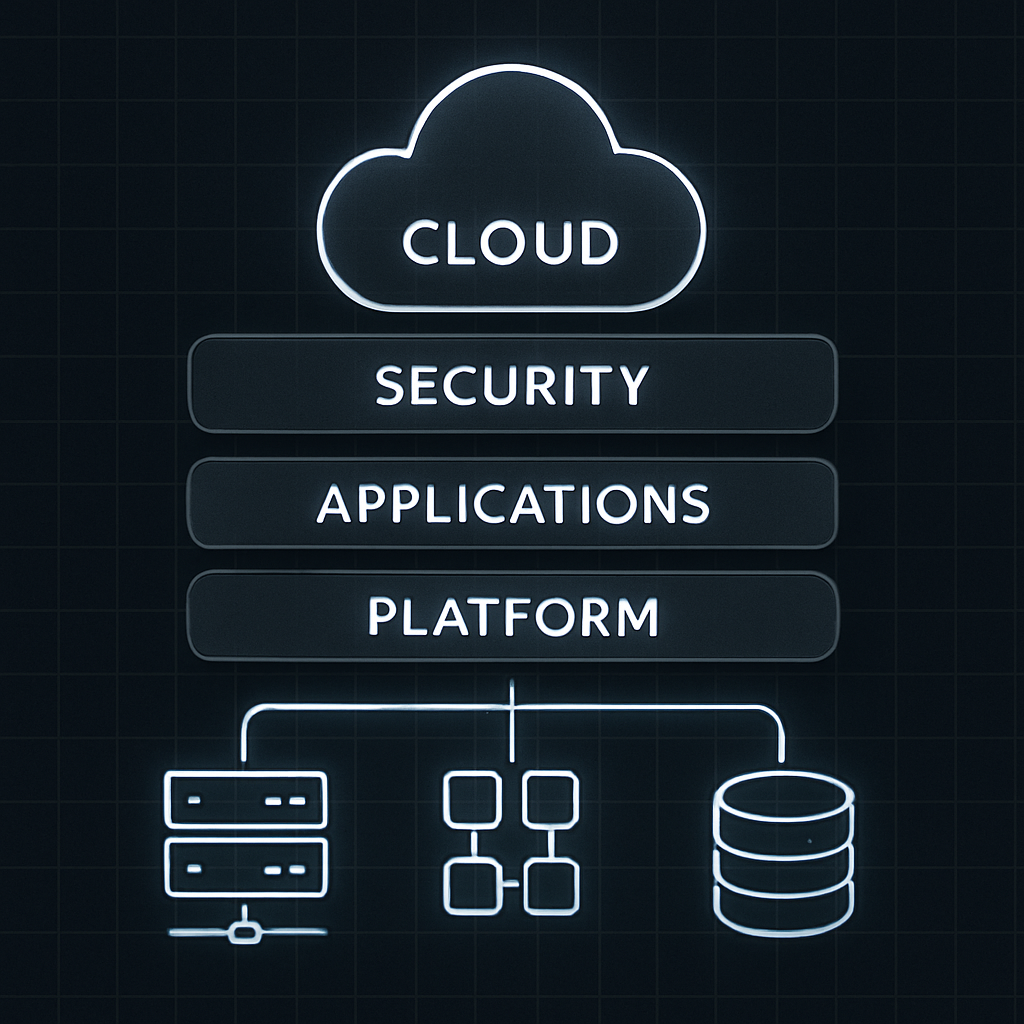
Organizations often use multiple cloud providers, each with unique security configurations. CSPM tools provide a unified view, ensuring consistent security policies across platforms.
Architecture Pattern: Microservices Security
In a microservices architecture, each service must be secured individually. CSPM tools help manage security policies at the service level, ensuring compliance and reducing vulnerabilities.
Pros, Cons, and Challenges
Pros
- Automated Monitoring: Reduces manual effort and human error.
- Real-Time Alerts: Enables quick response to potential threats.
- Compliance Assurance: Helps maintain regulatory compliance.
Cons
- Complexity: Implementing CSPM can be complex and resource-intensive.
- False Positives: May generate alerts for non-critical issues, leading to alert fatigue.
Challenges
- Integration: Seamlessly integrating CSPM tools with existing systems can be challenging.
- Scalability: Ensuring CSPM solutions scale with growing cloud environments.
Best Practices and Recommendations
- Regular Audits: Conduct regular security audits to identify and address vulnerabilities.
- Policy Automation: Automate security policies to ensure consistency and reduce manual errors.
- Training: Invest in training for security teams to effectively use CSPM tools.
Common Mistakes Engineers Make
- Ignoring Alerts: Dismissing alerts as false positives can lead to missed threats.
- Overlooking Configuration: Failing to configure CSPM tools properly can result in ineffective security measures.
When NOT to Use This Approach
- Small-Scale Environments: For small, simple environments, CSPM may be overkill.
- Limited Resources: Organizations with limited resources may struggle to implement CSPM effectively.
How This Impacts System Design Interviews
Understanding CSPM is increasingly relevant in system design interviews, especially for roles focused on cloud architecture and security. Candidates should be prepared to discuss how they would implement CSPM in a given scenario.
Future Outlook
As cloud environments continue to grow in complexity, CSPM will become an integral part of cloud security strategies. Future advancements may include AI-driven threat detection and more seamless integration with DevOps pipelines.
Conclusion
Cloud Security Posture Management is essential for maintaining robust security in modern cloud environments. By automating the detection of vulnerabilities and ensuring compliance, CSPM tools help organizations protect their data and infrastructure. As we look to the future, CSPM will continue to evolve, offering even more sophisticated solutions to the challenges of cloud security.
Key takeaways:
- CSPM is crucial for managing security in complex cloud environments.
- It offers automated monitoring, real-time alerts, and compliance assurance.
- Proper implementation and integration are key to maximizing its benefits.