CockroachDB vs YugabyteDB: NewSQL Databases in Production
In the ever-evolving world of databases, the need for scalable, resilient, and globally distributed systems has never been more pressing. Enter NewSQL databases like CockroachDB and YugabyteDB, which promise the consistency of traditional SQL databases with the scalability of NoSQL systems. But how do they fare in production environments, and what should engineers consider when choosing between them?

Why This Topic Matters NOW
As we step into 2025–2026, the demand for real-time data processing and global application reach has skyrocketed. Businesses are no longer confined to local markets; they operate on a global scale, requiring databases that can handle distributed transactions efficiently. NewSQL databases like CockroachDB and YugabyteDB are designed to meet these demands, offering strong consistency, horizontal scalability, and SQL compatibility.
Deep Dive into Concepts
CockroachDB
CockroachDB is a distributed SQL database built on a transactional and strongly-consistent key-value store. It is designed to survive datacenter failures and provide a seamless experience for developers familiar with PostgreSQL.
Key Features:
- Strong Consistency: Uses the Raft consensus algorithm to ensure data consistency across nodes.
- Geo-Partitioning: Allows data to be stored close to where it is used, reducing latency.
- Automatic Sharding: Distributes data automatically across nodes.
YugabyteDB
YugabyteDB is another distributed SQL database that offers high performance and resilience. It is built on top of a distributed document store, providing both SQL and NoSQL capabilities.
Key Features:
- Multi-API Support: Offers both YSQL (PostgreSQL-compatible) and YCQL (Cassandra-compatible) APIs.
- Global Data Distribution: Supports geo-distributed deployments with tunable consistency.
- High Availability: Provides automatic failover and load balancing.
Real-World Use Cases and Architecture Patterns
Use Case: Global E-commerce Platform
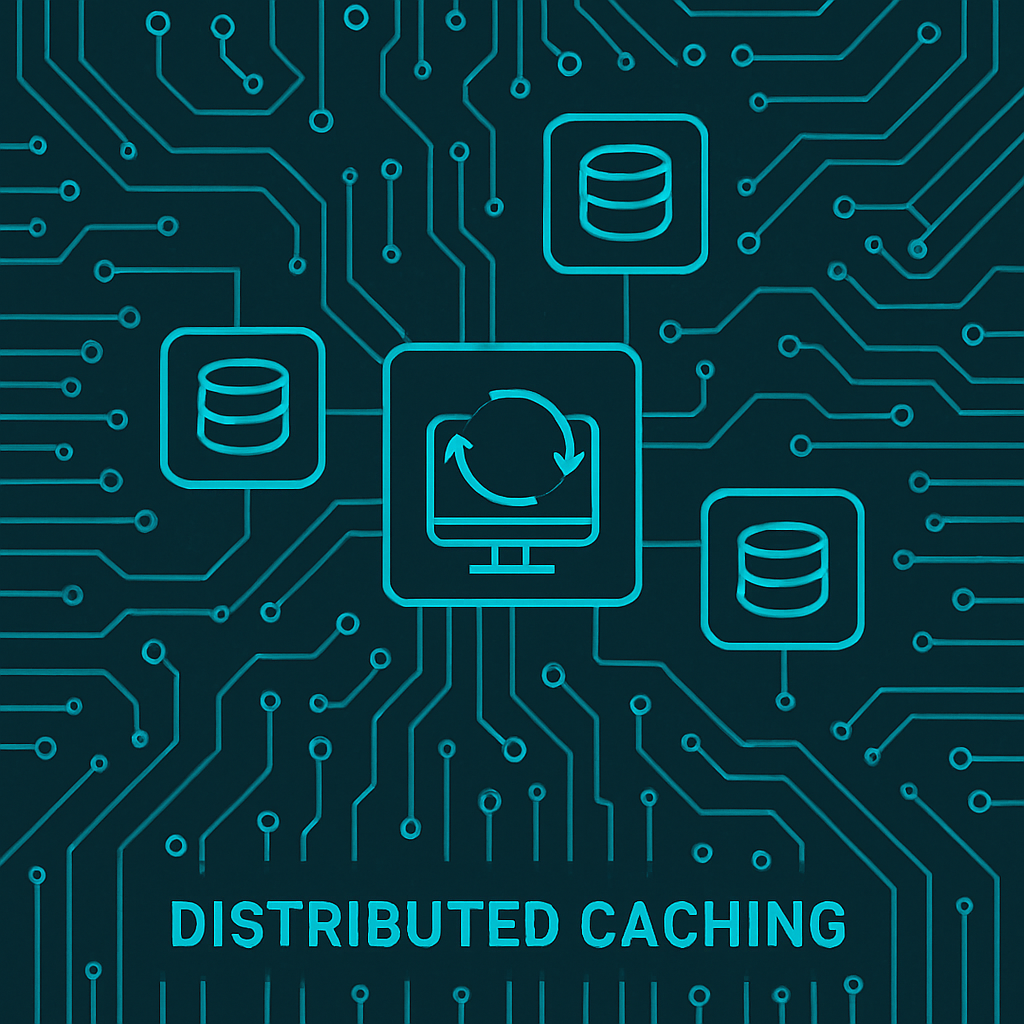
Consider a global e-commerce platform that requires low-latency access to data across continents. Both CockroachDB and YugabyteDB can be architected to meet these needs.
In this architecture, microservices interact with distributed database clusters, ensuring data is processed close to the user, minimizing latency.
Pros, Cons, and Challenges
CockroachDB
Pros:
- Seamless integration with existing PostgreSQL applications.
- Strong consistency guarantees.
Cons:
- Complexity in managing geo-partitioning.
- Higher latency in multi-region deployments.
YugabyteDB
Pros:
- Flexibility with SQL and NoSQL APIs.
- Tunable consistency levels.
Cons:
- Steeper learning curve for YCQL.
- Potential overhead in managing multi-API environments.
Best Practices / Recommendations
- Evaluate Consistency Needs: Choose CockroachDB for applications requiring strong consistency and YugabyteDB for those needing flexible consistency models.
- Consider Latency Requirements: Use geo-partitioning in CockroachDB or geo-distribution in YugabyteDB to minimize latency.
- Plan for Scalability: Both databases support horizontal scaling, but ensure your architecture can handle the operational complexity.
Common Mistakes Engineers Make
- Ignoring Latency Impacts: Failing to properly configure geo-partitioning or distribution can lead to high latency.
- Overlooking API Differences: Misunderstanding the differences between YSQL and YCQL can lead to suboptimal application performance.
When NOT to Use This Approach
- Small Scale Applications: For applications with limited data and user base, the complexity of NewSQL databases may not be justified.
- Strictly NoSQL Requirements: If your application requires schema-less data models, consider pure NoSQL solutions.
How This Impacts System Design Interviews
Understanding the trade-offs between CockroachDB and YugabyteDB can be a valuable asset in system design interviews. Demonstrating knowledge of distributed systems, consistency models, and scalability can set you apart.
Future Outlook
As the demand for globally distributed applications grows, NewSQL databases will continue to evolve. We can expect further enhancements in performance, ease of use, and integration capabilities, making them even more attractive for modern applications.
Conclusion with Key Takeaways
CockroachDB and YugabyteDB offer powerful solutions for distributed, scalable, and consistent data management. While they share similarities, their differences in API support, consistency models, and operational complexity make them suitable for different use cases. By understanding these nuances, engineers can make informed decisions that align with their application's needs.
In the rapidly changing landscape of database technologies, staying informed and adaptable is key to leveraging the full potential of NewSQL databases in production environments.