
DevOps Is Dead. Long Live Platform Engineering.
In the ever-evolving world of software development, the phrase "DevOps is dead" might sound like hyperbole. However, as we step into 2025, a new paradigm is emerging—platform engineering. This shift is not about discarding DevOps but rather evolving it to meet the demands of modern software systems. Let's explore why platform engineering is becoming the new norm and how it reshapes the way we build and manage applications.
Why This Topic Matters Now
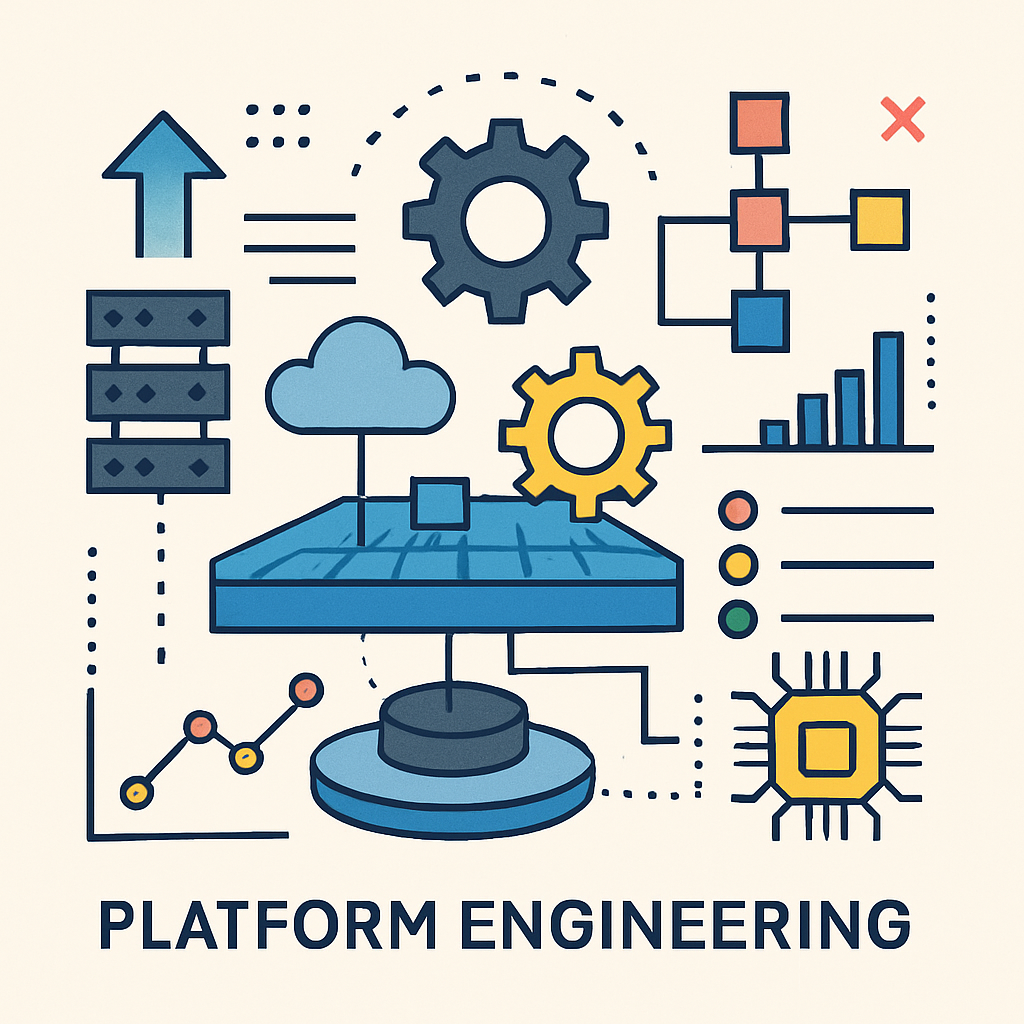
The rapid adoption of cloud-native technologies, microservices, and AI-driven applications has pushed the boundaries of traditional DevOps practices. Organizations are seeking ways to streamline operations, reduce complexity, and enhance developer productivity. Platform engineering offers a structured approach to building and managing the underlying infrastructure, enabling teams to focus on delivering business value.
Deep Dive into Platform Engineering
Platform engineering is about creating a self-service infrastructure platform that abstracts the complexities of cloud environments, CI/CD pipelines, and operational tasks. It provides developers with the tools and environments they need to build, test, and deploy applications efficiently.
Example: Building a Platform with Spring Boot and Kubernetes
Consider a scenario where a company is transitioning from a monolithic architecture to microservices using Spring Boot and Kubernetes. The platform engineering team would create a standardized environment with pre-configured Kubernetes clusters, CI/CD pipelines, and monitoring tools. Developers can then deploy their Spring Boot applications without worrying about the underlying infrastructure.
// Sample Spring Boot application configuration
@SpringBootApplication
public class Application {
    public static void main(String[] args) {
        SpringApplication.run(Application.class, args);
    }
}

// Kubernetes Deployment YAML
apiVersion: apps/v1
kind: Deployment
metadata:
  name: spring-boot-app
spec:
  replicas: 3
  selector:
    matchLabels:
      app: spring-boot-app
  template:
    metadata:
      labels:
        app: spring-boot-app
    spec:
      containers:
      - name: spring-boot-app
        image: myregistry/spring-boot-app:latest
        ports:
        - containerPort: 8080
Real-World Use Cases and Architecture Patterns
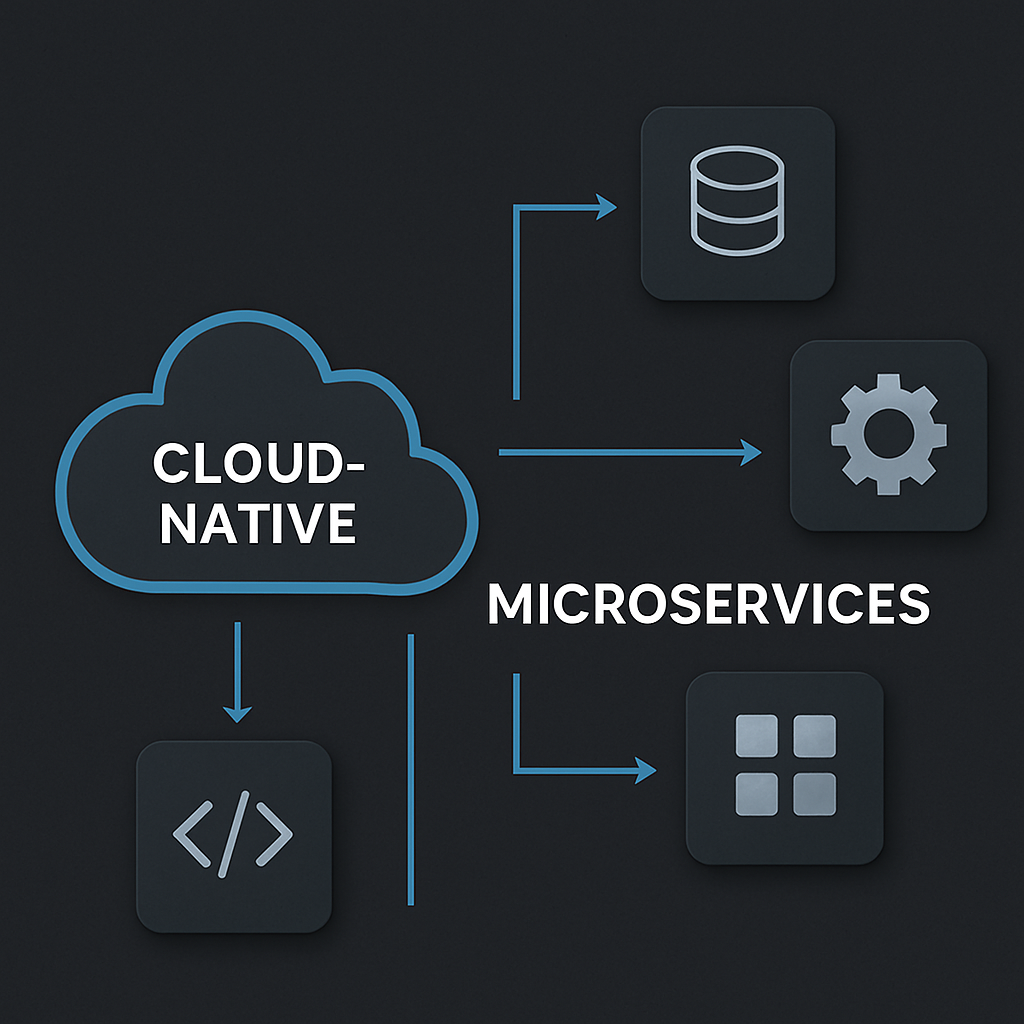
Platform engineering is particularly beneficial in large organizations with multiple development teams. By providing a unified platform, teams can avoid duplication of effort and focus on building features. Common architecture patterns include:
- Service Mesh: For managing microservices communication.
- Event-Driven Architecture: Using tools like Kafka for asynchronous processing.
- Infrastructure as Code (IaC): Automating infrastructure provisioning with tools like Terraform.
Pros, Cons, and Challenges
Pros
- Increased Developer Productivity: Developers can focus on coding rather than infrastructure.
- Consistency and Standardization: Reduces errors and improves security.
- Scalability: Easily scale applications with cloud-native tools.
Cons
- Initial Setup Complexity: Building a platform requires significant upfront investment.
- Cultural Shift: Teams need to adapt to new workflows and tools.
Challenges
- Maintaining the Platform: Continuous updates and improvements are necessary.
- Balancing Flexibility and Control: Providing enough flexibility for developers while maintaining control over the infrastructure.
Best Practices / Recommendations
- Start Small: Begin with a pilot project to validate the platform approach.
- Automate Everything: Use IaC and CI/CD to automate deployments and infrastructure changes.
- Foster Collaboration: Encourage collaboration between platform engineers and developers to ensure the platform meets user needs.
Future Outlook
As we look to the future, platform engineering will continue to evolve. The integration of AI and machine learning into platform tools will further automate and optimize operations. Companies that embrace platform engineering will be better positioned to innovate and respond to market changes.
Common Mistakes Engineers Make
- Over-Engineering: Building overly complex platforms that are difficult to maintain.
- Ignoring Developer Feedback: Failing to incorporate feedback can lead to a platform that doesn't meet user needs.
When NOT to Use This Approach
- Small Teams or Projects: The overhead of building a platform may not be justified for small teams or projects with limited scope.
- Highly Specialized Applications: Applications with unique requirements may not fit well into a standardized platform.
How This Impacts System Design Interviews
Understanding platform engineering concepts can give candidates an edge in system design interviews. It demonstrates an ability to think beyond application code and consider the broader infrastructure and operational aspects.
Conclusion
Platform engineering is not about replacing DevOps but enhancing it to meet the demands of modern software development. By providing a robust and scalable infrastructure, platform engineering empowers developers to focus on what they do best—building innovative applications. As we move forward, embracing this paradigm will be crucial for organizations aiming to stay competitive in the digital age.