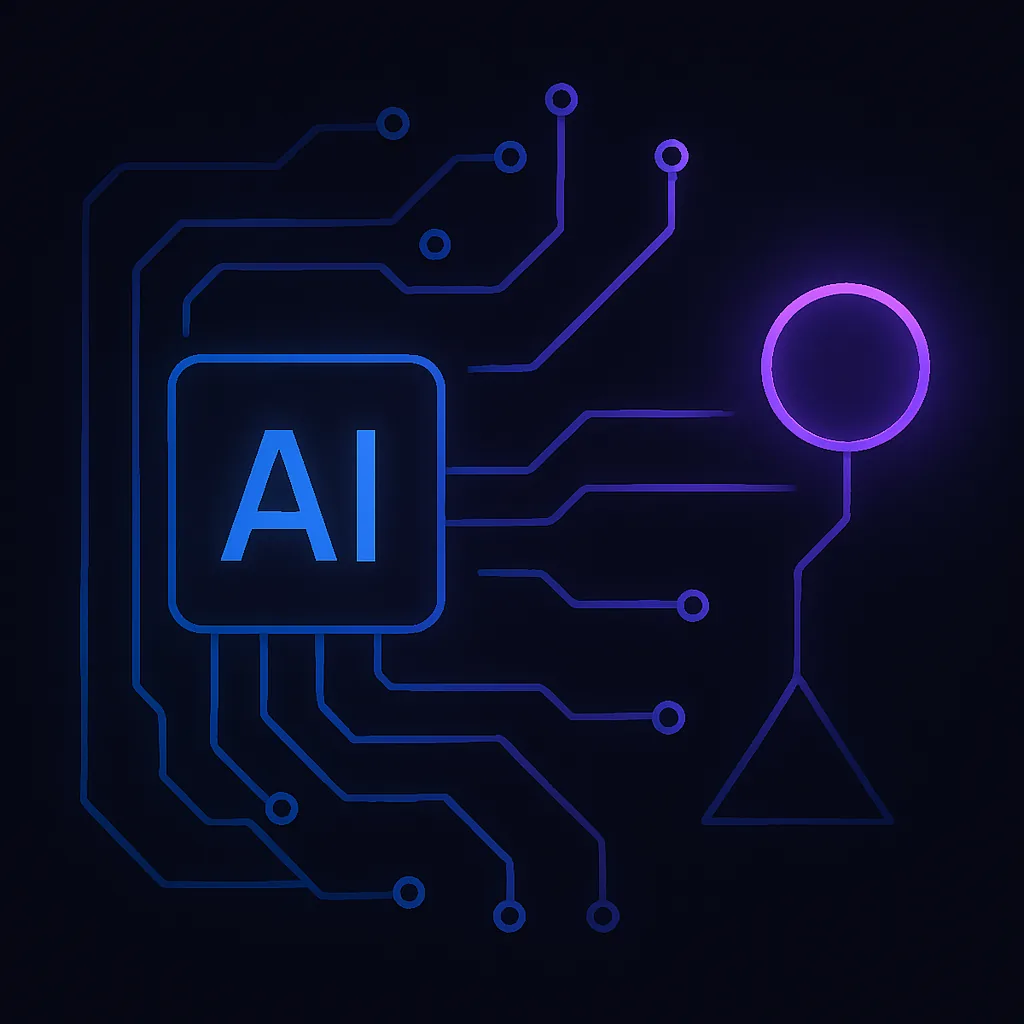
TITLE: Edge AI: Why Intelligence Is Moving Closer to the Device
EXCERPT: As we advance into 2025, Edge AI is transforming how we deploy intelligence, bringing it closer to devices. This shift is reshaping system design, offering new opportunities and challenges for engineers.
TAGS: edge-ai, system-design, microservices, cloud-computing, devops
READING_TIME: 10
IMAGE_PROMPTS: "Abstract data flow diagram with glowing nodes | Circuit board pattern representing distributed caching"
Edge AI: Why Intelligence Is Moving Closer to the Device
In the rapidly evolving landscape of technology, Edge AI is emerging as a pivotal trend, fundamentally altering how we think about deploying intelligence. As we step into 2025, the shift towards moving AI capabilities closer to the device is not just a buzzword but a necessity driven by real-world demands. This blog post delves into why Edge AI matters now, explores its concepts, and provides insights into its implementation, challenges, and future outlook.
Why Edge AI Matters Now
The proliferation of IoT devices, the need for real-time data processing, and the demand for privacy have accelerated the adoption of Edge AI. In 2025, with billions of connected devices, the traditional cloud-centric model struggles with latency, bandwidth, and privacy issues. Edge AI addresses these by processing data locally, reducing the need for data to travel back and forth to centralized data centers.
Deep Dive into Edge AI Concepts
Edge AI involves deploying AI models on edge devices like smartphones, IoT sensors, and autonomous vehicles. This approach requires lightweight models optimized for performance and efficiency. For instance, TensorFlow Lite and PyTorch Mobile are popular frameworks that enable running AI models on edge devices.
Example: Image Classification on Edge
Consider an image classification task where a device needs to identify objects in real-time. Using TensorFlow Lite, a pre-trained model can be converted and deployed on a mobile device:
// Pseudo-code for loading a TensorFlow Lite model in Java
Interpreter tflite = new Interpreter(loadModelFile("model.tflite"));
float[][] input = preprocessImage(image);
float[][] output = new float[1][NUM_CLASSES];
tflite.run(input, output);
This local processing reduces latency and enhances user experience by providing instant results.
Real-World Use Cases and Architecture Patterns
Use Case: Autonomous Vehicles
Autonomous vehicles rely heavily on Edge AI to process sensor data in real-time. The architecture typically involves a combination of edge devices (cameras, LIDAR) and onboard computing units that run AI models to make split-second decisions.
Use Case: Smart Home Devices
Smart home devices like thermostats and security cameras use Edge AI to process data locally, ensuring privacy and reducing dependency on cloud services.
Pros, Cons, and Challenges
Pros
- Reduced Latency: Immediate processing leads to faster response times.
- Bandwidth Efficiency: Less data transmission reduces network congestion.
- Enhanced Privacy: Local data processing minimizes exposure to external threats.
Cons
- Resource Constraints: Edge devices have limited computational power and storage.
- Model Optimization: Requires specialized skills to optimize models for edge deployment.
Challenges
- Security: Ensuring data security on edge devices is complex.
- Scalability: Managing and updating models across numerous devices can be daunting.
Best Practices and Recommendations
- Model Compression: Use techniques like quantization and pruning to reduce model size.
- Hybrid Approach: Combine edge and cloud processing for tasks that require heavy computation.
- Continuous Monitoring: Implement monitoring solutions to track model performance and device health.
Common Mistakes Engineers Make
- Overlooking Security: Failing to implement robust security measures can lead to vulnerabilities.
- Ignoring Device Limitations: Deploying models without considering device constraints can lead to failures.
When NOT to Use This Approach
- High Computational Needs: Tasks requiring extensive computation may not be suitable for edge devices.
- Frequent Model Updates: If models need constant updates, managing them on edge devices can be challenging.
How This Impacts System Design Interviews
Understanding Edge AI is becoming crucial in system design interviews. Candidates are expected to design systems that leverage edge computing for efficiency and scalability. Demonstrating knowledge of edge architectures and trade-offs can set candidates apart.
Future Outlook
As Edge AI continues to evolve, we can expect advancements in hardware capabilities, making it feasible to run more complex models on edge devices. The integration of 5G technology will further enhance the potential of Edge AI by providing faster and more reliable connectivity.
Conclusion
Edge AI is not just a trend but a transformative approach that addresses the limitations of traditional cloud computing. By bringing intelligence closer to the device, it offers significant advantages in terms of latency, privacy, and efficiency. As engineers, embracing Edge AI and understanding its nuances will be crucial in designing the systems of the future.