GCP Cloud Run vs AWS Fargate: Container-as-a-Service Compared
In the ever-evolving landscape of cloud computing, the need for efficient, scalable, and cost-effective container management solutions has never been more critical. As we step into 2025, two giants, GCP Cloud Run and AWS Fargate, have emerged as frontrunners in the Container-as-a-Service (CaaS) domain. But how do they stack up against each other, and which one should you choose for your next project?
Why This Topic Matters Now
The shift towards microservices and serverless architectures has accelerated the adoption of containers. With businesses demanding faster deployment cycles and reduced operational overhead, CaaS solutions like Cloud Run and Fargate offer a compelling proposition. As we look towards 2026, understanding these platforms is crucial for engineers aiming to build resilient, scalable systems.
Deep Dive into Concepts
GCP Cloud Run
Cloud Run is a fully managed compute platform that automatically scales your stateless containers. It abstracts away the underlying infrastructure, allowing developers to focus on code rather than server management. Here's a simple example of deploying a Spring Boot application on Cloud Run:
@RestController
public class HelloController {
    @GetMapping("/hello")
    public String sayHello() {
        return "Hello, Cloud Run!";
    }
}
Deploying this application involves containerizing it using Docker and deploying it via the Cloud Run console or CLI.
AWS Fargate
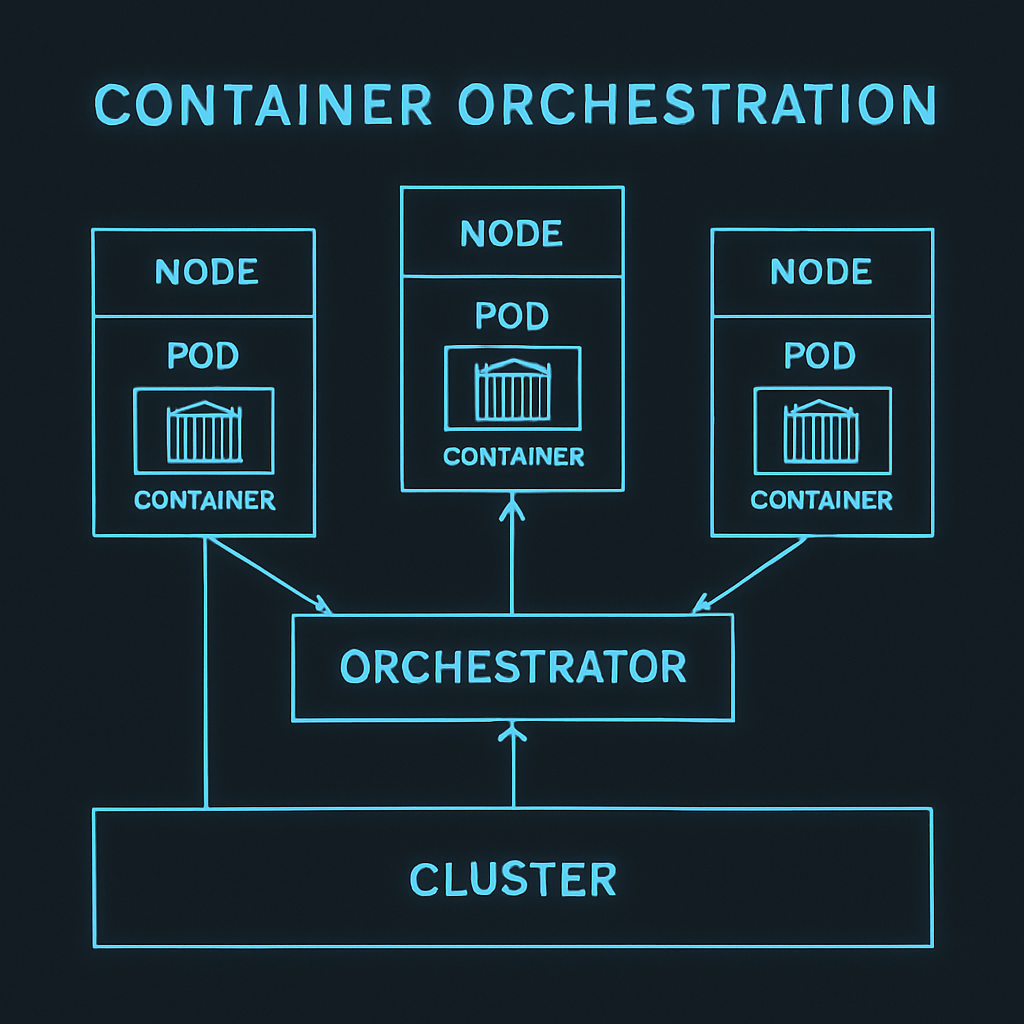
Fargate, on the other hand, is a serverless compute engine for containers that works with Amazon ECS and EKS. It eliminates the need to manage servers, allowing you to specify and pay for resources per application. Here's a basic architecture using Fargate with ECS:
Real-World Use Cases
Use Case: E-commerce Platform
Consider an e-commerce platform that experiences fluctuating traffic. Using Cloud Run, the platform can automatically scale during peak shopping seasons without manual intervention. Similarly, Fargate can be used to run background tasks like order processing, ensuring that resources are efficiently utilized.
Architecture Patterns
Both Cloud Run and Fargate support microservices architectures. A common pattern is to use Cloud Run for stateless services and Fargate for stateful services that require persistent storage.
Pros, Cons, and Challenges
GCP Cloud Run
Pros:
- Simplified deployment process
- Automatic scaling
- Integrated with GCP services
Cons:
- Limited to stateless applications
- Cold start latency
AWS Fargate
Pros:
- Supports both ECS and EKS
- Granular resource allocation
- Seamless integration with AWS ecosystem
Cons:
- Higher cost for small workloads
- Complexity in setting up networking
Best Practices / Recommendations
- Cost Management: Use Cloud Run for applications with unpredictable traffic to leverage its scaling capabilities. For predictable workloads, Fargate's pricing model might be more cost-effective.
- Security: Implement IAM roles and security groups to control access to your containers.
- Monitoring: Utilize Cloud Monitoring and AWS CloudWatch for observability and performance tracking.
Future Outlook
As cloud providers continue to innovate, we can expect further enhancements in CaaS offerings. Features like improved cold start times, better integration with AI services, and enhanced security measures are on the horizon.
Common Mistakes Engineers Make
- Over-provisioning Resources: Both platforms offer auto-scaling; manually setting high resource limits can lead to unnecessary costs.
- Ignoring Cold Starts: For latency-sensitive applications, consider using a combination of warm-up strategies and caching.
When NOT to Use This Approach
- Stateful Applications: If your application requires persistent state, consider using managed Kubernetes services or traditional VM-based deployments.
- Real-time Processing: For applications requiring real-time processing, the cold start latency of serverless solutions might be a bottleneck.
How This Impacts System Design Interviews
Understanding the nuances of Cloud Run and Fargate can set you apart in system design interviews. Demonstrating knowledge of when to use serverless containers versus traditional VMs shows a deep understanding of modern cloud architectures.
Conclusion
GCP Cloud Run and AWS Fargate offer powerful solutions for deploying containerized applications. While they share similarities, their differences can significantly impact your application's performance and cost. By understanding these platforms, you can make informed decisions that align with your business goals and technical requirements.
In the end, the choice between Cloud Run and Fargate should be driven by your specific use case, workload characteristics, and existing cloud ecosystem. As the cloud landscape continues to evolve, staying informed and adaptable will be key to leveraging these technologies effectively.