
How Great Engineers Think About Trade-offs
In the realm of software engineering, the ability to make informed trade-offs is what separates good engineers from great ones. As we navigate the complexities of 2025 and beyond, the decisions we make today will shape the systems of tomorrow. This post delves into how seasoned engineers approach trade-offs, offering insights, real-world examples, and best practices.
Why This Topic Matters NOW
The software landscape is more dynamic than ever. With the rise of AI, cloud-native architectures, and microservices, engineers are faced with a plethora of choices. Each decision carries implications for scalability, performance, and maintainability. Understanding trade-offs is not just a skill—it's a necessity for building resilient systems in today's fast-paced environment.
Deep Dive into Concepts
The Art of Balancing
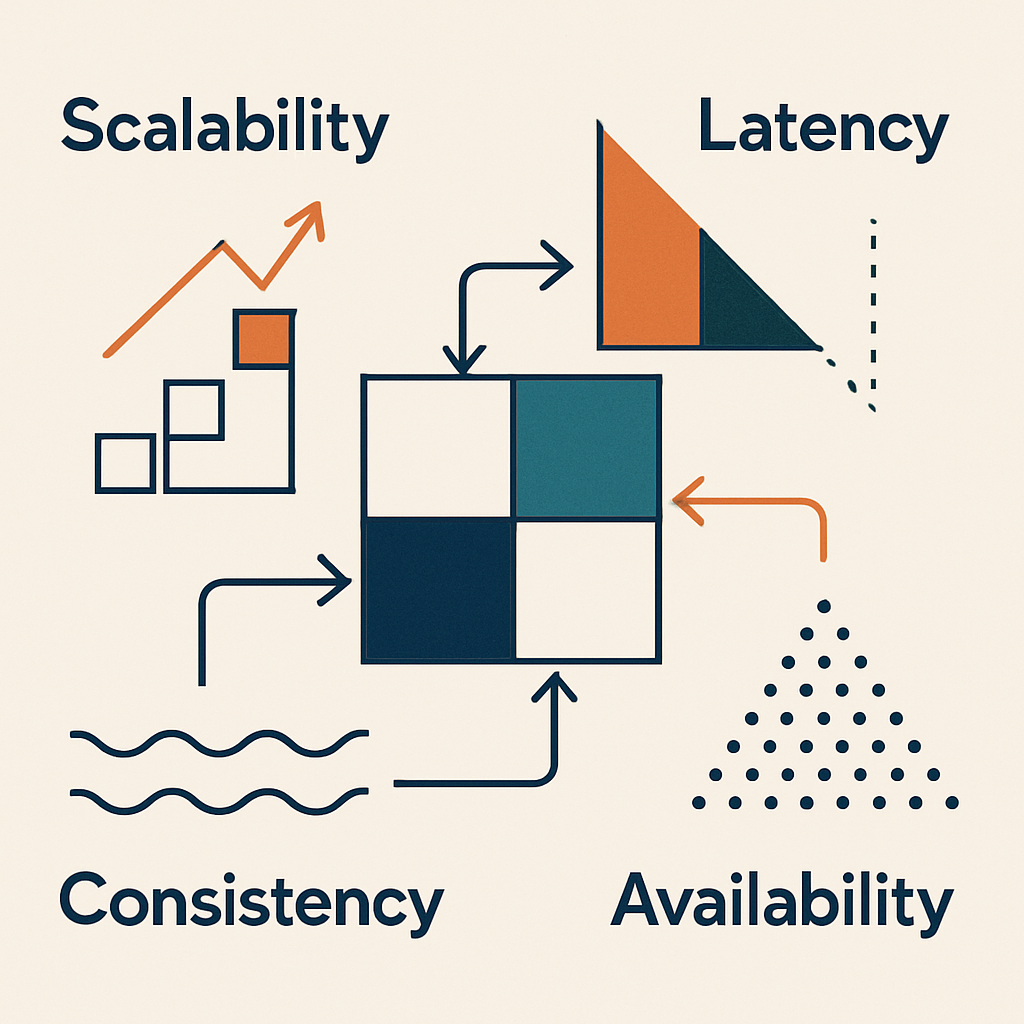
Trade-offs often involve balancing competing priorities. Consider the classic example of consistency versus availability in distributed systems. In a microservices architecture, achieving strong consistency can lead to increased latency, while prioritizing availability might result in eventual consistency.
Example: CAP Theorem in Practice
The CAP theorem states that a distributed system can only guarantee two out of three properties: Consistency, Availability, and Partition Tolerance. Engineers must decide which property to sacrifice based on the system's requirements.
Real-world Use Cases
Microservices vs. Monoliths
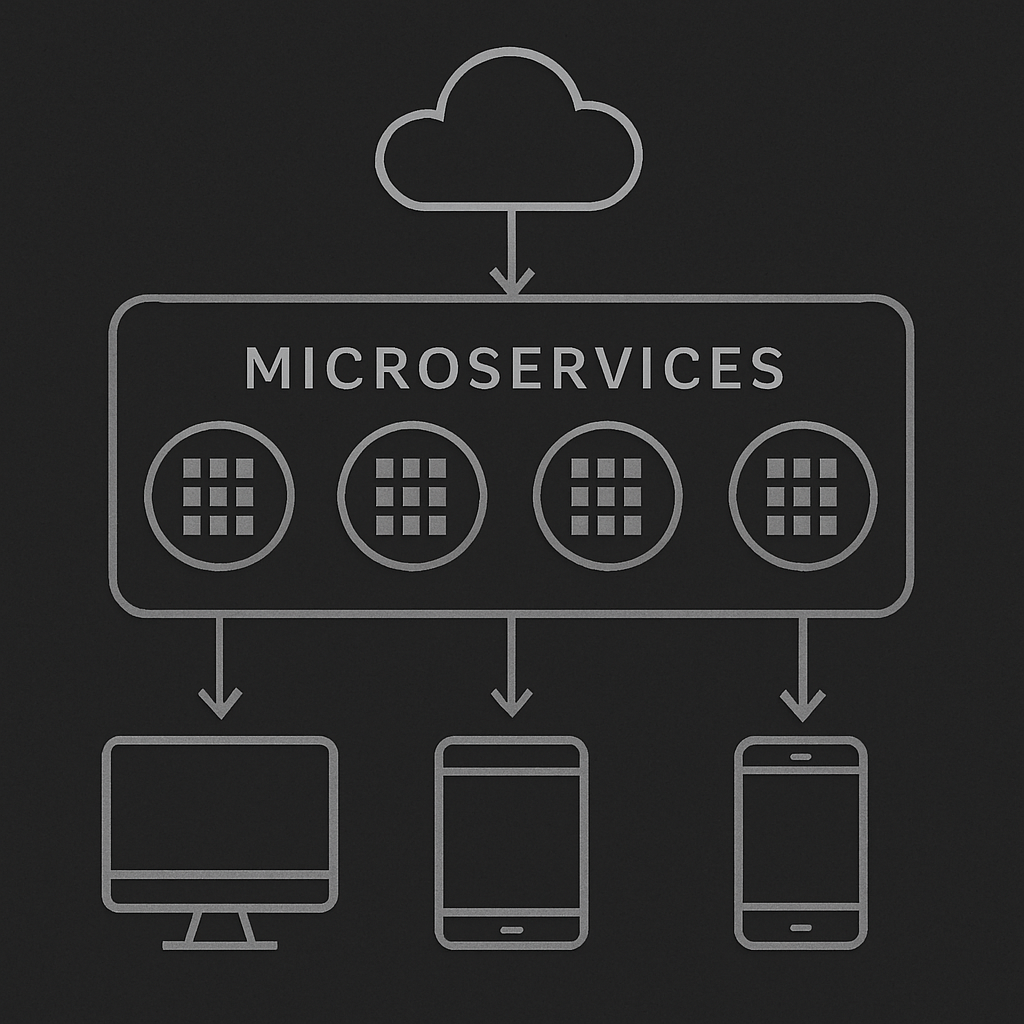
Microservices offer scalability and flexibility but come with the complexity of managing distributed systems. Monoliths, on the other hand, simplify development but can become unwieldy as they grow.
Pros of Microservices:
- Independent deployment
- Scalability
- Technology diversity
Cons of Microservices:
- Increased complexity
- Network latency
- Data consistency challenges
When to Choose Monoliths:
- Small teams
- Simple applications
- Rapid prototyping
Common Mistakes Engineers Make
- Over-Engineering: Adding unnecessary complexity by choosing microservices for a simple application.
- Ignoring Latency: Failing to account for network latency in distributed systems.
- Neglecting Security: Overlooking security implications when prioritizing speed or cost.
When NOT to Use This Approach
Avoid microservices if your team lacks experience with distributed systems or if the application does not require high scalability. Similarly, avoid strong consistency models if your system can tolerate eventual consistency and requires high availability.
How This Impacts System Design Interviews
Understanding trade-offs is crucial in system design interviews. Candidates are often evaluated on their ability to articulate the pros and cons of different architectural choices. Demonstrating a nuanced understanding of trade-offs can set you apart from other candidates.
Best Practices / Recommendations
- Prioritize Requirements: Clearly define the system's priorities before making architectural decisions.
- Iterate and Learn: Start with a simple design and iterate based on feedback and performance metrics.
- Leverage Cloud Services: Use managed services to offload complexity and focus on core business logic.
Future Outlook
As AI and machine learning continue to evolve, engineers will face new trade-offs related to data privacy, model accuracy, and computational cost. The ability to navigate these decisions will be critical in building the next generation of intelligent systems.
Conclusion with Key Takeaways
Great engineers understand that every decision involves trade-offs. By carefully considering the implications of each choice, they build systems that are not only functional but also resilient and scalable. As we move into the future, mastering the art of trade-offs will be more important than ever.
In this post, we've explored how great engineers think about trade-offs, providing insights and practical advice for navigating complex decisions in software engineering. By understanding and applying these principles, you can build systems that stand the test of time.