
How to Archive and Sunset an Open Source Project Responsibly
In the ever-evolving landscape of software development, open source projects play a pivotal role. However, there comes a time when maintaining a project is no longer feasible or necessary. Archiving and sunsetting an open source project responsibly is crucial to ensure that users and contributors are not left in the lurch. This blog post delves into the nuances of responsibly archiving an open source project, providing insights, best practices, and real-world examples.

Why This Topic Matters Now
As we move into 2025 and beyond, the proliferation of open source projects has reached unprecedented levels. With the rise of microservices, cloud-native architectures, and AI-driven solutions, developers are increasingly relying on open source tools. However, not all projects can sustain the momentum indefinitely. Understanding how to responsibly sunset a project is more relevant than ever, as it ensures continuity and trust within the developer community.
Deep Dive into Concepts
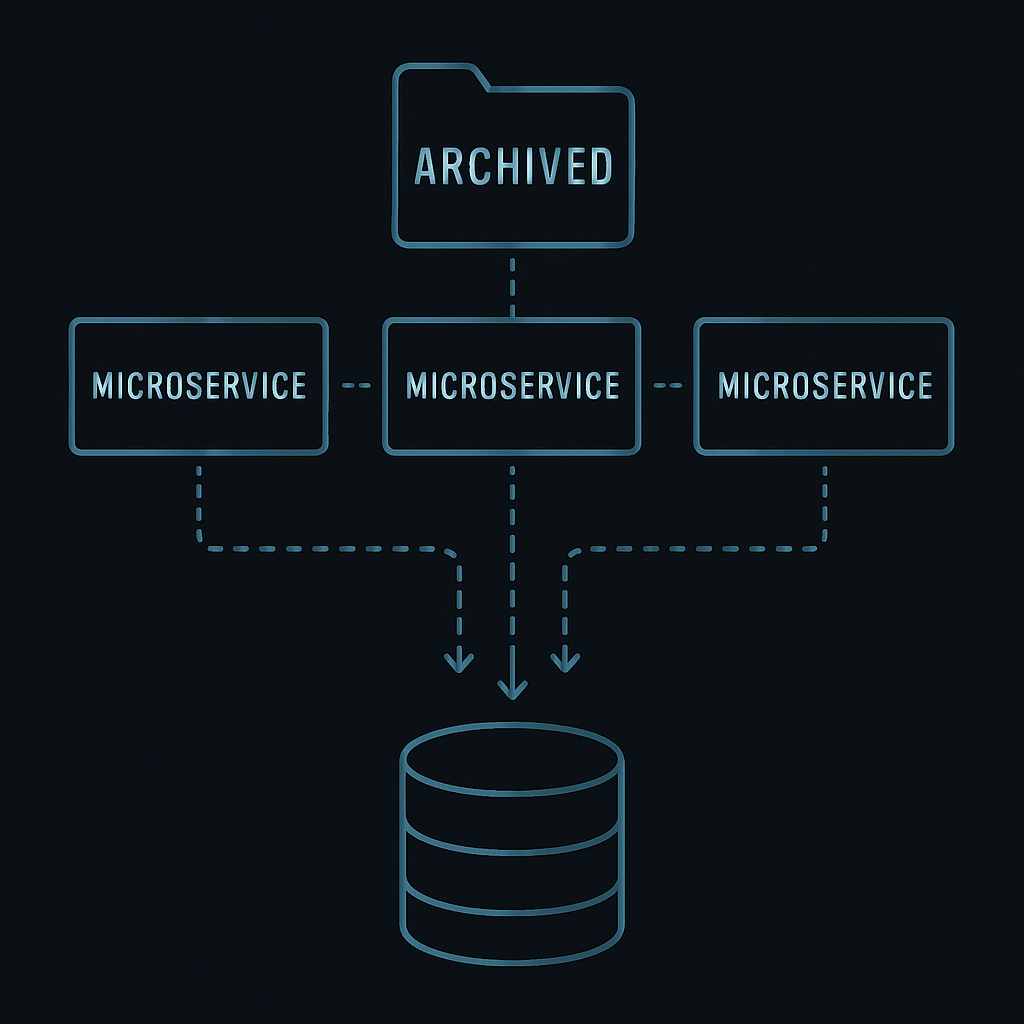
Archiving a project involves marking it as inactive, while sunsetting refers to the gradual phasing out of the project. Both processes require careful planning and communication.
Example: Sunsetting a Spring Boot Microservice
Consider a scenario where a company has developed a Spring Boot microservice for internal use, which was later open-sourced. Over time, the service becomes obsolete due to advancements in technology or changes in business requirements. Here's how the company might approach sunsetting:
- Assessment: Evaluate the project's current usage, dependencies, and community involvement.
- Communication: Announce the intention to archive the project through official channels like GitHub, mailing lists, and social media.
- Documentation: Update the README and other documentation to reflect the project's status and provide alternatives or migration paths.
- Support: Offer limited support for a defined period to help users transition.
Real-World Use Cases
- Netflix OSS: Netflix has archived several open source projects, such as Hystrix, after they became less relevant due to architectural shifts towards serverless and reactive programming.
- Google's AngularJS: Google announced the end-of-life for AngularJS, providing a clear timeline and migration guides to Angular.
Pros, Cons, and Challenges
Pros
- Resource Allocation: Frees up resources to focus on more impactful projects.
- Clarity: Provides clear communication to users about the project's status.
Cons
- User Impact: Users relying on the project may face challenges in transitioning.
- Community Backlash: Potential negative feedback from the community.
Challenges
- Dependency Management: Ensuring that dependent projects have alternatives.
- Legacy Systems: Addressing legacy systems that still rely on the project.
Best Practices / Recommendations
- Transparent Communication: Keep the community informed at every step.
- Comprehensive Documentation: Provide detailed migration paths and alternatives.
- Gradual Transition: Allow ample time for users to adapt to changes.
Future Outlook
As the software ecosystem continues to evolve, the need for responsible project sunsetting will grow. Automation tools and AI-driven insights could play a significant role in identifying when a project should be archived and assisting in the transition process.
Common Mistakes Engineers Make
- Lack of Communication: Failing to inform users and contributors adequately.
- Abrupt Archival: Archiving a project without providing alternatives or migration paths.
When NOT to Use This Approach
- Active Community: If the project has an active and growing community, consider transferring ownership instead.
- Critical Dependencies: If the project is a critical dependency for many systems, explore options to keep it maintained.
How This Impacts System Design Interviews
Understanding how to responsibly sunset a project demonstrates foresight and strategic thinking, qualities that are highly valued in system design interviews. It shows an ability to manage the lifecycle of software systems effectively.
Conclusion
Archiving and sunsetting an open source project is a delicate process that requires careful consideration and planning. By following best practices and learning from real-world examples, developers can ensure a smooth transition that respects the needs of users and contributors. As we look to the future, the ability to responsibly manage the lifecycle of open source projects will remain a critical skill in the software development toolkit.
By understanding the intricacies of archiving and sunsetting, engineers can contribute to a sustainable and trustworthy open source ecosystem.