
How to Disagree with Senior Engineers Professionally
In the fast-paced world of software engineering, disagreements are inevitable. Whether it's about architectural decisions, technology stacks, or implementation strategies, differing opinions can arise, especially when working with senior engineers. While it might be daunting to voice dissent, doing so professionally is crucial for innovation and team growth.

Why This Topic Matters Now
As we move into 2025 and beyond, the software industry is more dynamic than ever. With the rise of AI-driven development, microservices, and cloud-native architectures, the complexity of systems has increased. This complexity often leads to diverse opinions on the best approaches to solve problems. Disagreeing professionally is not just about maintaining harmony; it's about ensuring that the best ideas surface and are implemented.
Deep Dive into Concepts
Understanding the Context
Before disagreeing, it's essential to understand the context of the decision. Senior engineers often have a broader perspective, considering factors like scalability, maintainability, and team capabilities. For instance, a decision to use a particular cloud service might be based on existing contracts or integration capabilities.
Example: Microservices vs. Monolith
Consider a scenario where a senior engineer advocates for a monolithic architecture due to the team's limited experience with microservices. You might disagree, believing that microservices offer better scalability and fault isolation. Here's how you can approach this:
- Research and Prepare: Gather data on both architectures, focusing on trade-offs and real-world case studies.
- Acknowledge Their Perspective: Recognize the valid points in their argument, such as the team's current skill set.
- Present Your Case: Use evidence to support your view, perhaps by showing how microservices can be incrementally adopted.
Real-World Use Cases
System Design Example
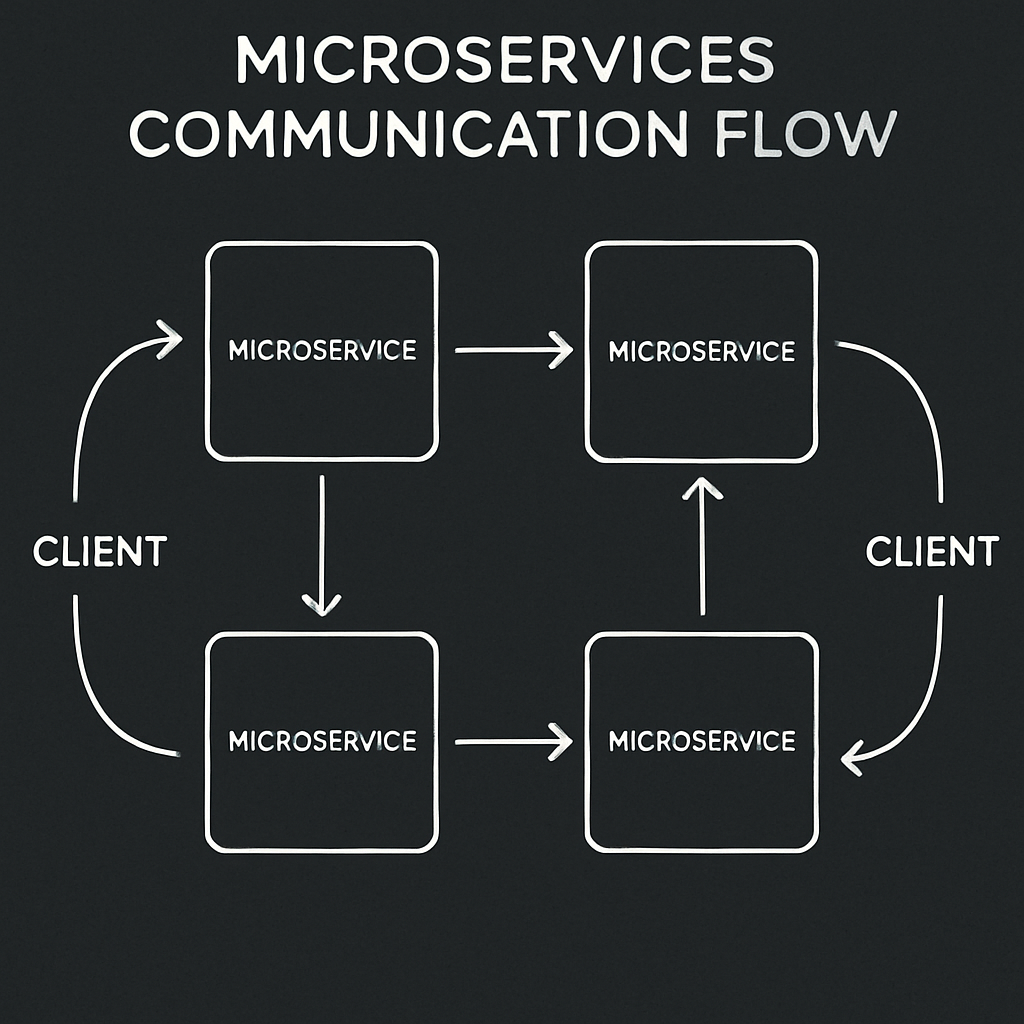
Imagine you're designing a system that requires high availability and scalability. The senior engineer suggests using a traditional relational database, but you believe a NoSQL solution would be more appropriate. Here's a potential architecture:
In this scenario, you can highlight how NoSQL databases handle large volumes of unstructured data and offer horizontal scaling, which might be more suitable for the application's needs.
Common Mistakes Engineers Make
- Being Confrontational: Approaching disagreements with aggression can lead to conflict rather than resolution.
- Lack of Preparation: Disagreeing without solid evidence or understanding can undermine your credibility.
- Ignoring Hierarchical Dynamics: Failing to respect the experience and perspective of senior engineers can close off productive dialogue.
When NOT to Use This Approach
- Time-Sensitive Decisions: If a decision needs to be made quickly, it might be better to defer to the senior engineer's judgment.
- Lack of Expertise: If you're not well-versed in the topic, it might be wiser to seek more information before disagreeing.
How This Impacts System Design Interviews
In system design interviews, the ability to articulate and defend your design choices is crucial. Disagreeing professionally demonstrates critical thinking and the ability to engage in constructive technical discussions. It shows interviewers that you can navigate complex scenarios and collaborate effectively.
Best Practices / Recommendations
- Build Relationships: Establish trust with senior engineers through consistent, respectful interactions.
- Communicate Clearly: Use clear, concise language to articulate your points.
- Seek Feedback: After the discussion, ask for feedback to improve your approach in future disagreements.
Future Outlook
As the industry evolves, the ability to engage in professional disagreements will become even more critical. With AI and machine learning influencing more decisions, engineers will need to navigate complex ethical and technical debates. Developing these skills now will prepare you for future challenges.
Conclusion with Key Takeaways
Disagreeing with senior engineers is not about winning an argument; it's about contributing to the best possible outcome for the team and the project. By preparing thoroughly, communicating effectively, and respecting the experience of others, you can navigate these discussions professionally and constructively.
In summary, professional disagreement is a skill that can drive innovation and improve team dynamics. Embrace it as an opportunity for growth and learning, both for yourself and your team.