
How to Prioritize Technical Debt Without Halting Feature Work
In the fast-paced world of software development, technical debt is an inevitable reality. As teams race to deliver new features, the shortcuts taken today can become the burdens of tomorrow. But how do you manage this debt without bringing feature development to a grinding halt? This is a question that resonates with many mid to senior software engineers, especially in the context of 2025–2026, where the demand for rapid innovation is higher than ever.
Why This Topic Matters Now
As we move further into the mid-2020s, the software landscape is more competitive and complex. With the rise of AI-driven applications, microservices architectures, and cloud-native solutions, the pressure to deliver quickly has never been greater. However, neglecting technical debt can lead to increased maintenance costs, reduced agility, and even system failures. Balancing these competing priorities is crucial for sustainable growth and innovation.
Understanding Technical Debt
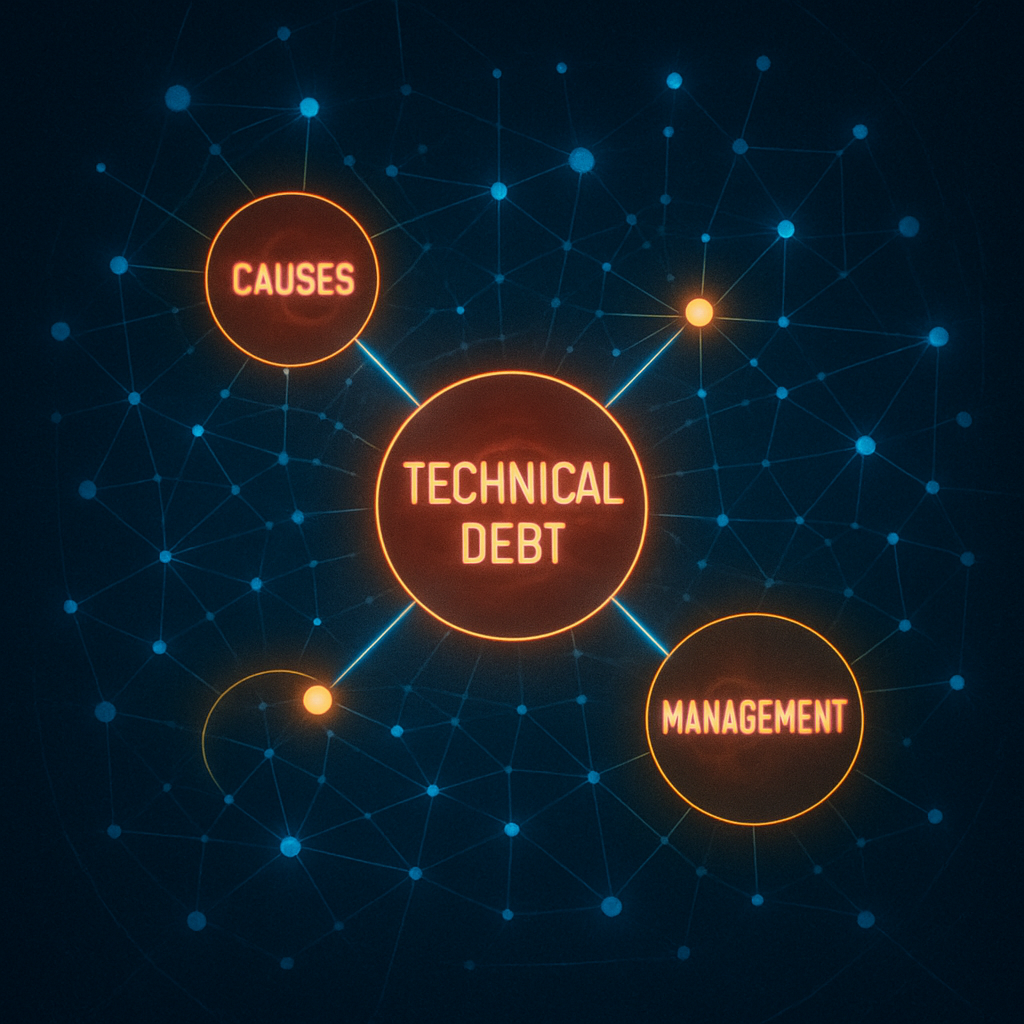
Technical debt refers to the implied cost of additional rework caused by choosing an easy solution now instead of a better approach that would take longer. It's akin to financial debt, where the interest accumulates over time, making it harder to pay off.
Real-World Example
Consider a microservices architecture where services are tightly coupled due to rushed development. This can lead to increased complexity and difficulty in scaling or modifying individual services. Addressing this debt might involve refactoring services to be more decoupled, which requires time and resources.
Strategies for Managing Technical Debt
1. Prioritize Based on Impact
Not all technical debt is created equal. Prioritize debt that has the highest impact on your system's performance, security, or scalability. Use metrics like code complexity, bug frequency, and performance bottlenecks to guide your decisions.
// Example: Identifying high-impact debt in a Spring Boot application
@Service
public class DebtAnalyzer {
    public List<String> identifyHighImpactDebt() {
        // Analyze code complexity and bug frequency
        return List.of("ServiceA", "ServiceB");
    }
}
2. Integrate Debt Management into Your Workflow
Incorporate technical debt management into your regular development cycle. Allocate a percentage of each sprint to address debt, ensuring it doesn't accumulate unchecked.
3. Use Automated Tools
Leverage tools that automatically identify and suggest fixes for technical debt. Static code analysis tools can highlight areas of concern, allowing teams to address them proactively.
4. Foster a Culture of Quality
Encourage a culture where quality is prioritized. This involves regular code reviews, pair programming, and continuous learning to prevent the accumulation of debt.
Common Mistakes Engineers Make
- Ignoring Debt Until It's Critical: Waiting until technical debt causes major issues can lead to costly and time-consuming fixes.
- Over-Refactoring: Spending too much time on low-impact debt can divert resources from more critical tasks.
- Lack of Documentation: Without proper documentation, understanding and addressing technical debt becomes more challenging.
When NOT to Use This Approach
- Tight Deadlines: If a project has an immovable deadline, it might be necessary to defer debt management temporarily.
- Low-Impact Debt: If the debt has minimal impact on the system's performance or maintainability, it might not be worth addressing immediately.
How This Impacts System Design Interviews
Understanding how to manage technical debt is a valuable skill in system design interviews. It demonstrates your ability to balance short-term and long-term goals, a critical aspect of designing scalable and maintainable systems.
Best Practices and Recommendations
- Regularly Review Debt: Schedule regular reviews to assess and prioritize technical debt.
- Balance Debt and Features: Aim for a balance that allows for both innovation and sustainability.
- Educate Stakeholders: Ensure that non-technical stakeholders understand the importance of managing technical debt.
Future Outlook
As AI and automation continue to evolve, we can expect more sophisticated tools to assist in managing technical debt. These tools will likely integrate with existing development environments, providing real-time insights and recommendations.
Conclusion
Managing technical debt without halting feature work is a delicate balance but one that is essential for the long-term success of any software project. By prioritizing debt based on impact, integrating debt management into your workflow, and fostering a culture of quality, you can ensure that your systems remain robust and adaptable in the face of ever-changing demands.
Key takeaways:
- Prioritize high-impact technical debt.
- Integrate debt management into regular workflows.
- Use automated tools and foster a culture of quality.
By adopting these strategies, you can effectively manage technical debt while continuing to innovate and deliver value to your users.