
How to Read a CHANGELOG and What Good Ones Look Like
In the ever-evolving landscape of software development, CHANGELOGs are the unsung heroes that keep engineers informed and systems stable. As we move into 2025 and beyond, the complexity of software systems continues to grow, making the ability to read and interpret CHANGELOGs more critical than ever. This post explores the nuances of CHANGELOGs, offering insights into what makes them effective and how they impact system design and maintenance.
Why CHANGELOGs Matter Now
With the rise of microservices, cloud-native architectures, and continuous deployment, software systems are more dynamic and interconnected than ever. In this environment, a well-maintained CHANGELOG is not just a nice-to-have; it's a necessity. It serves as a historical record of changes, helping teams understand the evolution of a system, track down bugs, and plan future development.
The Modern Software Ecosystem
In 2025, software systems are often composed of numerous microservices, each with its own lifecycle and dependencies. This complexity makes it challenging to keep track of changes across the entire system. A good CHANGELOG provides a clear, concise record of what has changed, why it changed, and how it impacts the system.
Deep Dive into CHANGELOGs
What Makes a Good CHANGELOG?
A good CHANGELOG is more than just a list of changes. It should provide context and clarity, helping engineers understand the impact of each change. Here are some key elements:
- Versioning: Clearly indicate the version number and date of each release.
- Categories: Organize changes into categories such as Added, Changed, Deprecated, Removed, Fixed, and Security.
- Context: Provide a brief explanation of why a change was made and its implications.
- Links: Include links to relevant pull requests, issues, or documentation for deeper insights.
Example of a Good CHANGELOG Entry
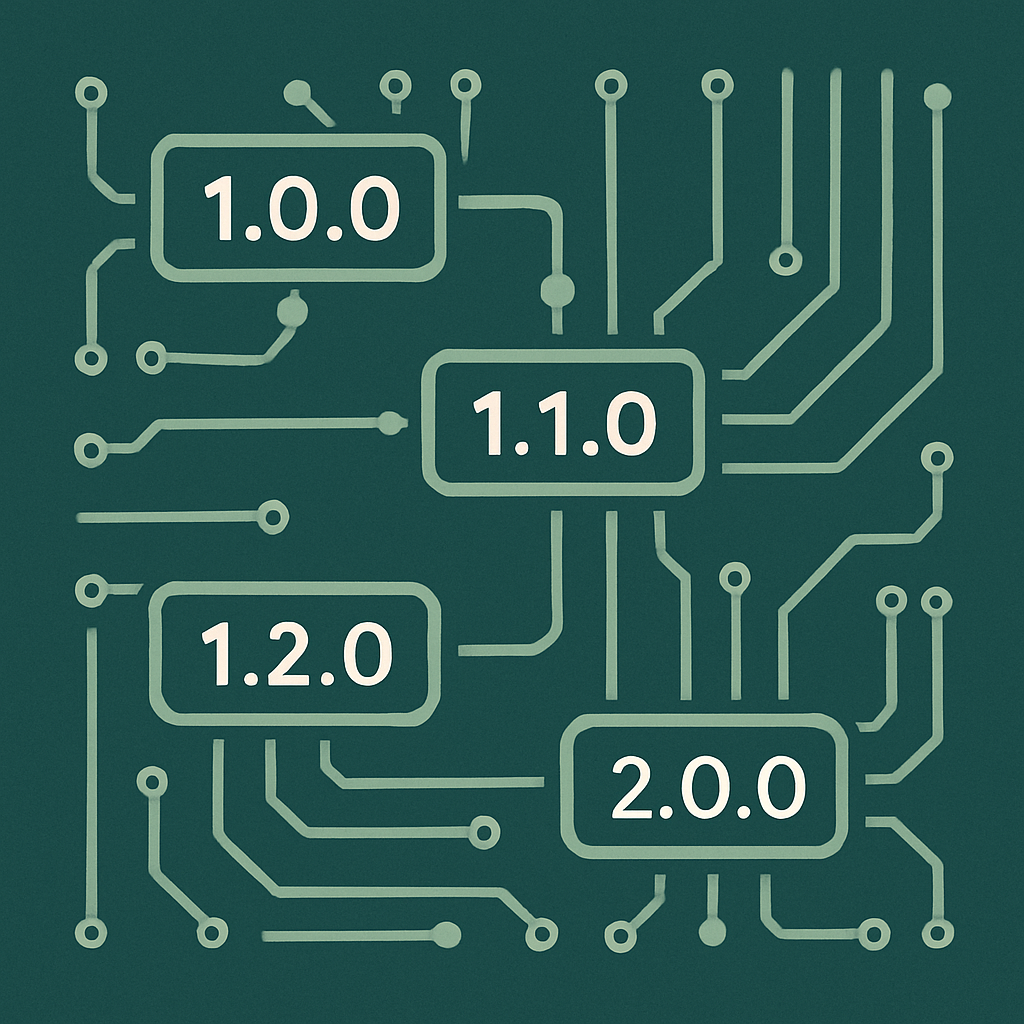
## [1.2.0] - 2025-06-15
### Added
- Support for OAuth 2.0 authentication ([#123](https://github.com/example/repo/pull/123))

### Changed
- Updated the logging framework to Log4j 3.0 for better performance ([#124](https://github.com/example/repo/pull/124))

### Fixed
- Resolved a memory leak in the caching module ([#125](https://github.com/example/repo/issues/125))
Real-World Use Cases
Microservices and CHANGELOGs
In a microservices architecture, each service may have its own CHANGELOG. This can lead to challenges in understanding the overall impact of changes across the system. Companies often implement tools to aggregate and visualize these changes, providing a holistic view of the system's evolution.
Pros, Cons, and Challenges
Pros:
- Provides a clear history of changes.
- Facilitates communication among team members.
- Helps in debugging and regression testing.
Cons:
- Can become cluttered if not maintained properly.
- Requires discipline to keep up-to-date.
Challenges:
- Ensuring consistency across multiple services.
- Balancing detail with readability.
Best Practices for CHANGELOGs
- Consistency: Use a consistent format and structure across all projects.
- Automation: Leverage tools to automate the generation and maintenance of CHANGELOGs.
- Review: Regularly review and update CHANGELOGs as part of the development process.
Common Mistakes Engineers Make
- Overloading with Details: Including too much information can make a CHANGELOG hard to read.
- Neglecting Updates: Failing to update the CHANGELOG with each release leads to outdated information.
- Ignoring Context: Not providing enough context for changes can confuse readers.
When NOT to Use This Approach
While CHANGELOGs are valuable, they may not be necessary for small, single-developer projects where changes are minimal and easily tracked through version control systems like Git.
How This Impacts System Design Interviews
Understanding how to read and interpret CHANGELOGs can be a valuable skill in system design interviews. It demonstrates an ability to manage and maintain complex systems, a critical aspect of modern software engineering roles.
Future Outlook
As software systems continue to grow in complexity, the role of CHANGELOGs will become even more critical. We can expect to see more sophisticated tools for managing and visualizing CHANGELOGs, integrating them seamlessly into the development workflow.
Conclusion
CHANGELOGs are a vital tool in the modern software engineer's toolkit. By providing a clear and concise record of changes, they help teams maintain stability and plan for the future. As we move forward, the ability to effectively read and maintain CHANGELOGs will be an essential skill for engineers navigating the complexities of modern software systems.
In conclusion, mastering the art of CHANGELOGs is not just about keeping track of changes; it's about understanding the story of your software and using that knowledge to build better systems.