
How to Read a Problem Statement Without Missing Edge Cases
In the fast-paced world of software engineering, the ability to accurately interpret problem statements is a skill that can set you apart. Whether you're designing a complex microservices architecture or tackling a coding interview, understanding the nuances of a problem statement is crucial. Yet, many engineers overlook edge cases, leading to solutions that fail under unexpected conditions. This blog post explores how to read problem statements effectively, ensuring you don't miss those critical edge cases.
Why This Topic Matters NOW
As we move into 2025 and beyond, the complexity of software systems continues to grow. With the rise of AI-driven applications, IoT, and increasingly distributed systems, the potential for edge cases has expanded. Engineers must be adept at identifying these scenarios to build resilient systems. Moreover, in a competitive job market, the ability to handle edge cases can be the difference between landing a job or not.
Deep Dive into Concepts
Understanding the Problem Statement
The first step in identifying edge cases is thoroughly understanding the problem statement. This involves more than just reading the text; it requires dissecting the requirements, constraints, and expected outcomes.
Example
Consider a problem statement for a microservice that processes user transactions:
- Requirements: Process transactions in real-time, ensure data consistency, and handle up to 10,000 requests per second.
- Constraints: Must operate within a cloud environment, using existing APIs.
- Expected Outcomes: Transactions should be processed within 200ms, with 99.9% uptime.
Identifying Edge Cases
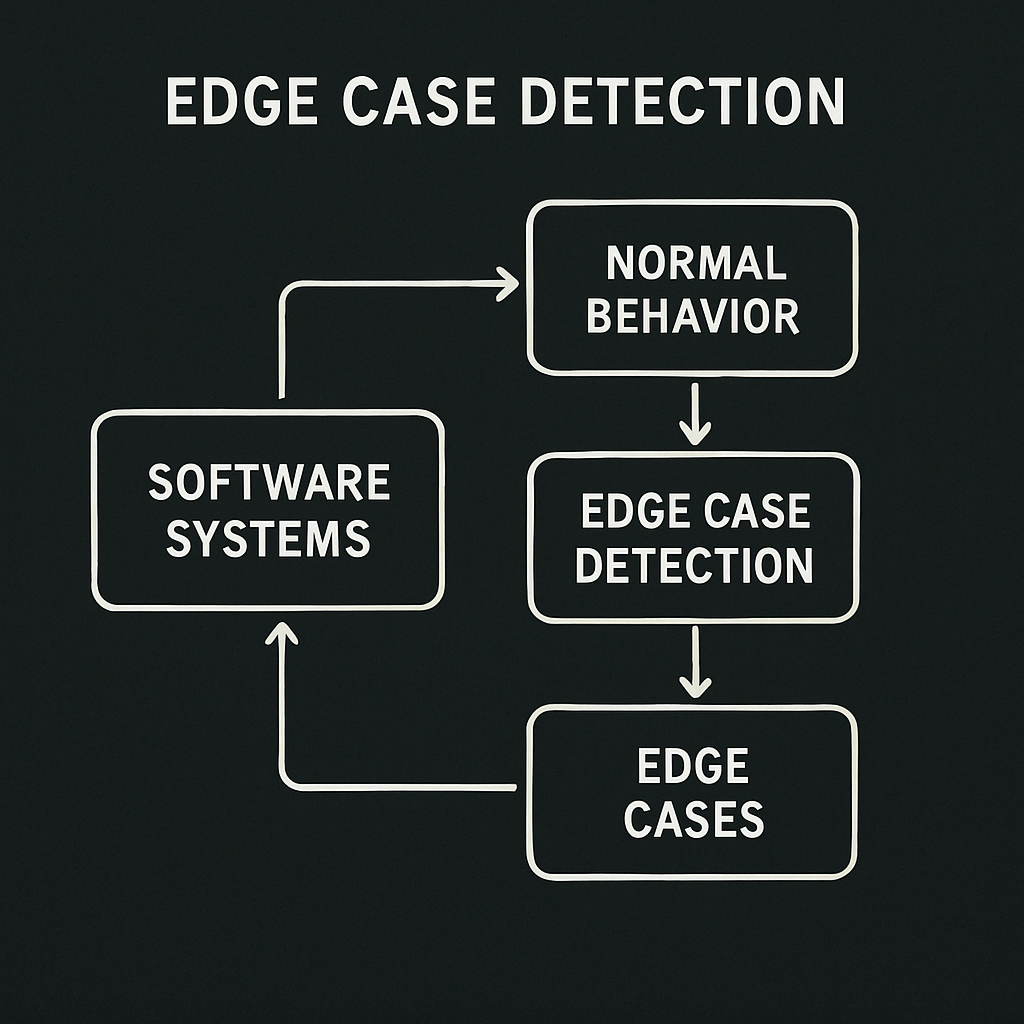
Edge cases often arise from the boundaries of the problem's constraints. In the example above, potential edge cases include:
- High Load: What happens if the request rate exceeds 10,000 per second?
- Data Consistency: How does the system handle network partitions or API failures?
- Latency: What if processing exceeds 200ms due to external API delays?
Real-World Use Cases
In practice, companies like Netflix and Amazon have mastered the art of handling edge cases. Netflix's chaos engineering practices involve deliberately introducing failures to identify weaknesses. Amazon's distributed systems are designed to handle massive scale and unexpected spikes in demand.
Common Mistakes Engineers Make
- Ignoring Constraints: Focusing solely on requirements without considering constraints can lead to missed edge cases.
- Overlooking External Dependencies: Failing to account for the behavior of external systems or APIs.
- Assuming Ideal Conditions: Designing solutions that only work under perfect conditions.
When NOT to Use This Approach
While identifying edge cases is crucial, there are scenarios where over-focusing on them can be detrimental:
- Early Prototyping: In the initial stages of prototyping, it may be more beneficial to focus on core functionality rather than edge cases.
- Time-Critical Fixes: When addressing urgent issues, prioritizing a quick fix over a comprehensive solution may be necessary.
How This Impacts System Design Interviews
In system design interviews, demonstrating your ability to identify and handle edge cases can significantly impact your evaluation. Interviewers look for candidates who can think critically about potential pitfalls and design robust systems.
Best Practices / Recommendations
- Thoroughly Analyze Problem Statements: Break down the statement into requirements, constraints, and expected outcomes.
- Use Diagrams: Visualize the system to identify potential edge cases.
- Leverage Peer Reviews: Collaborate with peers to uncover edge cases you might have missed.
- Test Extensively: Implement comprehensive testing strategies, including chaos engineering.
Future Outlook
As software systems become more complex, the importance of identifying edge cases will only grow. Engineers will need to leverage AI and machine learning to predict and handle these scenarios proactively. The future will likely see more automated tools to assist in this process, but the foundational skill of reading problem statements will remain invaluable.
Conclusion
Mastering the art of reading problem statements and identifying edge cases is a critical skill for modern software engineers. By understanding the nuances of a problem, leveraging real-world insights, and applying best practices, you can design systems that are robust, scalable, and resilient. As the industry evolves, this skill will continue to be a key differentiator in both system design and coding interviews.
By honing your ability to read problem statements without missing edge cases, you position yourself as a forward-thinking engineer ready to tackle the challenges of tomorrow's software landscape.