
Inner Source: Applying Open Source Practices Inside Your Company
In the ever-evolving landscape of software development, companies are constantly seeking innovative ways to enhance collaboration, improve code quality, and accelerate delivery. One such approach gaining traction is Inner Source, which involves applying open source practices within the confines of an organization. But what exactly is Inner Source, and why is it becoming increasingly relevant in 2025 and beyond?

Why Inner Source Matters Now
As we move further into the mid-2020s, the software industry faces unprecedented challenges and opportunities. The rise of remote work, the need for rapid innovation, and the demand for high-quality software have pushed companies to rethink their development processes. Inner Source offers a compelling solution by fostering a culture of collaboration and transparency, akin to the open source community, but tailored for internal use.
Understanding Inner Source
Inner Source is the practice of using open source methodologies to develop software within an organization. It involves creating a shared codebase accessible to all employees, encouraging contributions from different teams, and adopting open source tools and workflows. This approach breaks down silos, promotes knowledge sharing, and leverages the diverse expertise of the entire organization.
Real-World Use Cases
Consider a large enterprise with multiple development teams working on different microservices. Traditionally, these teams might operate in isolation, leading to duplicated efforts and inconsistent practices. By adopting Inner Source, the company can create a centralized repository for shared libraries and components, enabling teams to contribute improvements and fixes collaboratively.
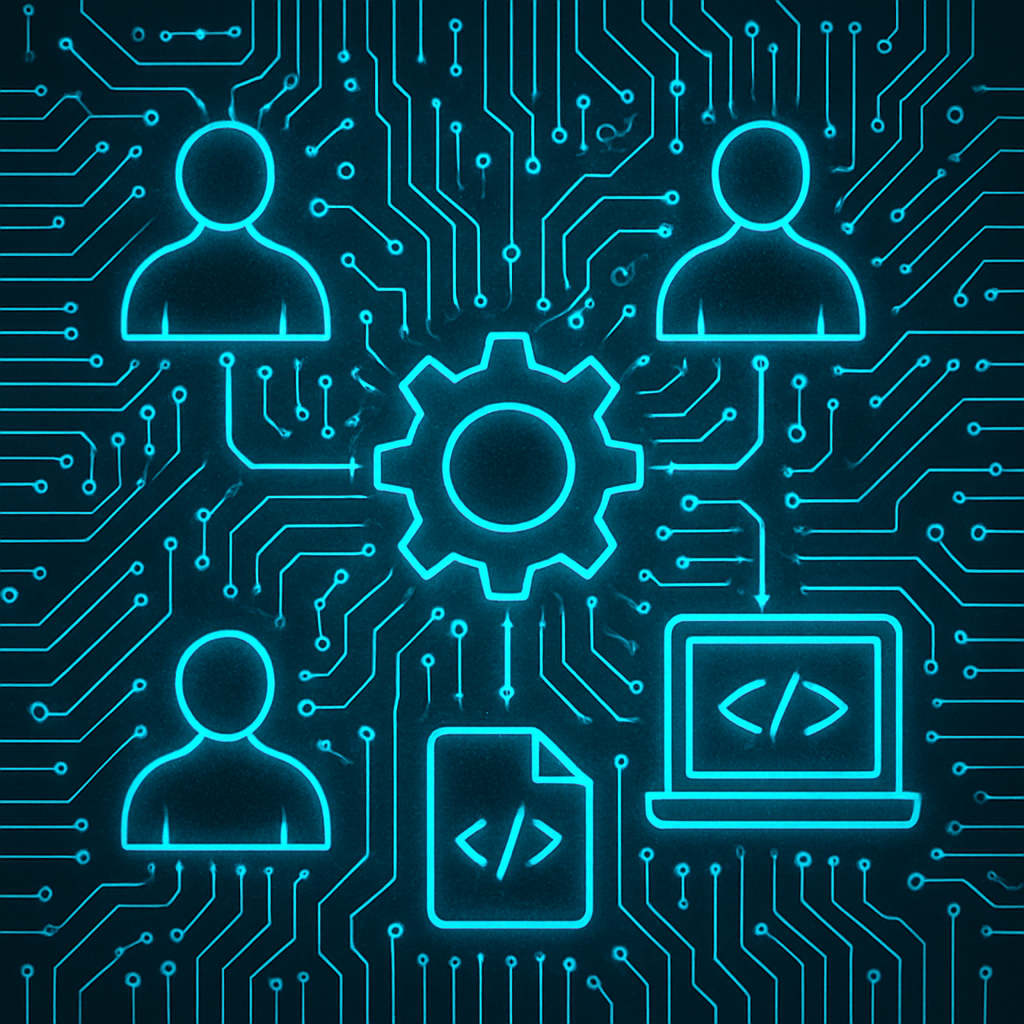
In this diagram, the central repository acts as a hub for collaboration, with each team contributing to and benefiting from shared resources.
Pros, Cons, and Challenges
Pros
- Enhanced Collaboration: Inner Source fosters a culture of collaboration, breaking down silos and encouraging cross-team contributions.
- Improved Code Quality: With more eyes on the code, issues are identified and resolved faster, leading to higher quality software.
- Faster Innovation: By leveraging the collective expertise of the organization, new features and improvements can be developed more rapidly.
Cons
- Cultural Resistance: Shifting to an Inner Source model requires a cultural change, which can be met with resistance from teams accustomed to traditional practices.
- Governance Challenges: Managing contributions and maintaining code quality across a large organization can be complex.
Common Mistakes Engineers Make
- Ignoring Documentation: Failing to document code and processes can lead to confusion and hinder collaboration.
- Lack of Clear Guidelines: Without clear contribution guidelines, teams may struggle to align on best practices.
Best Practices for Implementing Inner Source
- Establish Clear Guidelines: Define contribution guidelines and coding standards to ensure consistency across the organization.
- Promote a Collaborative Culture: Encourage open communication and recognize contributions to foster a sense of community.
- Invest in Tooling: Utilize tools that support collaboration, such as version control systems, code review platforms, and CI/CD pipelines.
When NOT to Use This Approach
Inner Source may not be suitable for every organization. Companies with highly sensitive or proprietary codebases may find it challenging to balance openness with security. Additionally, organizations with rigid hierarchical structures may struggle to adopt the collaborative culture required for Inner Source to succeed.
How This Impacts System Design Interviews
As Inner Source becomes more prevalent, system design interviews are likely to evolve. Candidates may be expected to demonstrate an understanding of collaborative development practices and the ability to design systems that facilitate cross-team contributions. Interviewers may focus on a candidate's experience with open source tools and their ability to work in a collaborative environment.
Future Outlook
Looking ahead, Inner Source is poised to become a standard practice in software development. As companies continue to embrace remote work and distributed teams, the need for effective collaboration tools and practices will only grow. Inner Source offers a scalable solution that aligns with these trends, making it an attractive option for forward-thinking organizations.
Conclusion
Inner Source represents a powerful shift in how companies approach software development. By applying open source practices internally, organizations can unlock the full potential of their teams, drive innovation, and deliver high-quality software faster. As we navigate the challenges of the modern tech landscape, Inner Source offers a roadmap for success.
In summary, Inner Source is not just a trend—it's a transformative approach that can redefine how companies build software. By embracing this model, organizations can foster a culture of collaboration, improve code quality, and accelerate innovation, positioning themselves for success in the years to come.