
Kubernetes Production Readiness Checklist
In the ever-evolving landscape of cloud-native applications, Kubernetes has emerged as the de facto standard for container orchestration. As we step into 2025, the demand for robust, scalable, and secure Kubernetes deployments has never been higher. But deploying Kubernetes in production is not just about spinning up a few pods; it's about ensuring your cluster is resilient, secure, and ready to handle real-world traffic and failures.

Why This Topic Matters Now
With the increasing complexity of applications and the shift towards microservices, Kubernetes offers a powerful platform to manage these distributed systems. However, as organizations scale, the challenges of maintaining a production-grade Kubernetes environment become apparent. Security threats, resource management, and operational overhead are just a few of the hurdles that teams must overcome. This checklist aims to provide a comprehensive guide to ensure your Kubernetes cluster is production-ready, addressing the nuances and intricacies that come with it.
Deep Dive into Concepts
Security
Security is paramount in any production environment. For Kubernetes, this means securing the cluster at multiple levels:
-
Network Policies: Implement network policies to control traffic between pods. This ensures that only authorized services can communicate with each other.
-
RBAC (Role-Based Access Control): Use RBAC to define fine-grained access controls. Ensure that users and services have the minimum permissions necessary.
-
Secrets Management: Store sensitive information such as API keys and passwords securely using Kubernetes Secrets.
apiVersion: v1
kind: Secret
metadata:
  name: my-secret
type: Opaque
data:
  username: YWRtaW4=
  password: MWYyZDFlMmU2N2Rm
Scalability
Kubernetes is designed to scale, but it's essential to configure it correctly:
-
Horizontal Pod Autoscaler: Use the Horizontal Pod Autoscaler to automatically adjust the number of pods in a deployment based on CPU utilization or other select metrics.
-
Cluster Autoscaler: Ensure your cluster can scale nodes up and down based on the demands of your workloads.
Monitoring and Logging
Visibility into your cluster's operations is crucial:
-
Prometheus and Grafana: Use Prometheus for monitoring and Grafana for visualizing metrics. Set up alerts for critical metrics to proactively address issues.
-
ELK Stack: Implement the ELK (Elasticsearch, Logstash, Kibana) stack for centralized logging. This helps in troubleshooting and auditing.
Real-World Use Cases
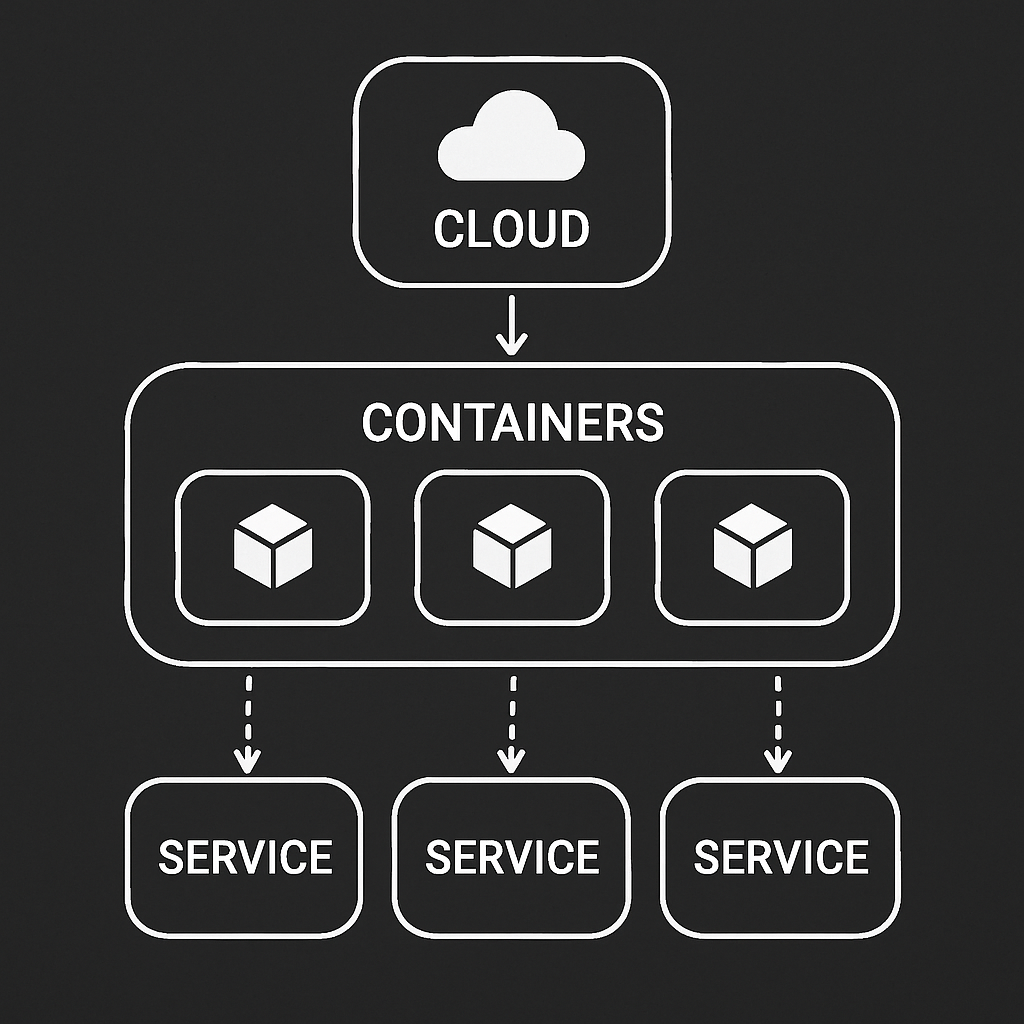
Consider a microservices architecture where each service is deployed as a separate Kubernetes deployment. A typical setup might look like this:
In this architecture, the Ingress Controller routes traffic to different services based on the request path. Each service can scale independently, and the database is shared.
Pros, Cons, and Challenges
Pros
- Scalability: Kubernetes can handle large-scale deployments with ease.
- Flexibility: Supports a wide range of workloads and configurations.
- Community Support: A vast ecosystem and community provide extensive resources and tools.
Cons
- Complexity: The learning curve can be steep, and managing a cluster requires expertise.
- Resource Overhead: Running Kubernetes can be resource-intensive.
Challenges
- Security: Constant vigilance is required to protect against vulnerabilities.
- Operational Overhead: Managing updates, scaling, and monitoring can be demanding.
Best Practices / Recommendations
- Regular Updates: Keep your Kubernetes version up-to-date to benefit from the latest features and security patches.
- Backup and Disaster Recovery: Implement a robust backup strategy for your cluster state and persistent volumes.
- Chaos Engineering: Regularly test your cluster's resilience using chaos engineering tools like Chaos Monkey.
Future Outlook
As Kubernetes continues to evolve, we can expect more focus on simplifying operations and enhancing security. The integration of AI for predictive scaling and anomaly detection is on the horizon, promising to make Kubernetes even more powerful and user-friendly.
Common Mistakes Engineers Make
- Ignoring Resource Limits: Failing to set resource requests and limits can lead to resource contention and instability.
- Overlooking Security: Not implementing network policies or RBAC can expose your cluster to attacks.
- Neglecting Monitoring: Without proper monitoring, issues can go unnoticed until they impact users.
When NOT to Use This Approach
- Small-Scale Applications: For simple applications with minimal scaling needs, Kubernetes might be overkill.
- Limited Expertise: If your team lacks Kubernetes expertise, the operational overhead might outweigh the benefits.
How This Impacts System Design Interviews
Understanding Kubernetes is increasingly important in system design interviews. Candidates are often asked to design scalable, resilient systems, and knowledge of Kubernetes can demonstrate an ability to handle complex, real-world scenarios.
Conclusion
Ensuring your Kubernetes cluster is production-ready is a multifaceted challenge that requires attention to security, scalability, and operational efficiency. By following this checklist, you can prepare your environment to handle the demands of modern applications, ensuring reliability and performance. As Kubernetes continues to evolve, staying informed and adapting to new best practices will be key to maintaining a robust infrastructure.
Key takeaways:
- Prioritize security and scalability.
- Implement comprehensive monitoring and logging.
- Regularly update and test your cluster's resilience.
By addressing these areas, you'll be well on your way to a production-ready Kubernetes deployment.