LLM Gateway Patterns: Routing, Fallback, and Load Balancing
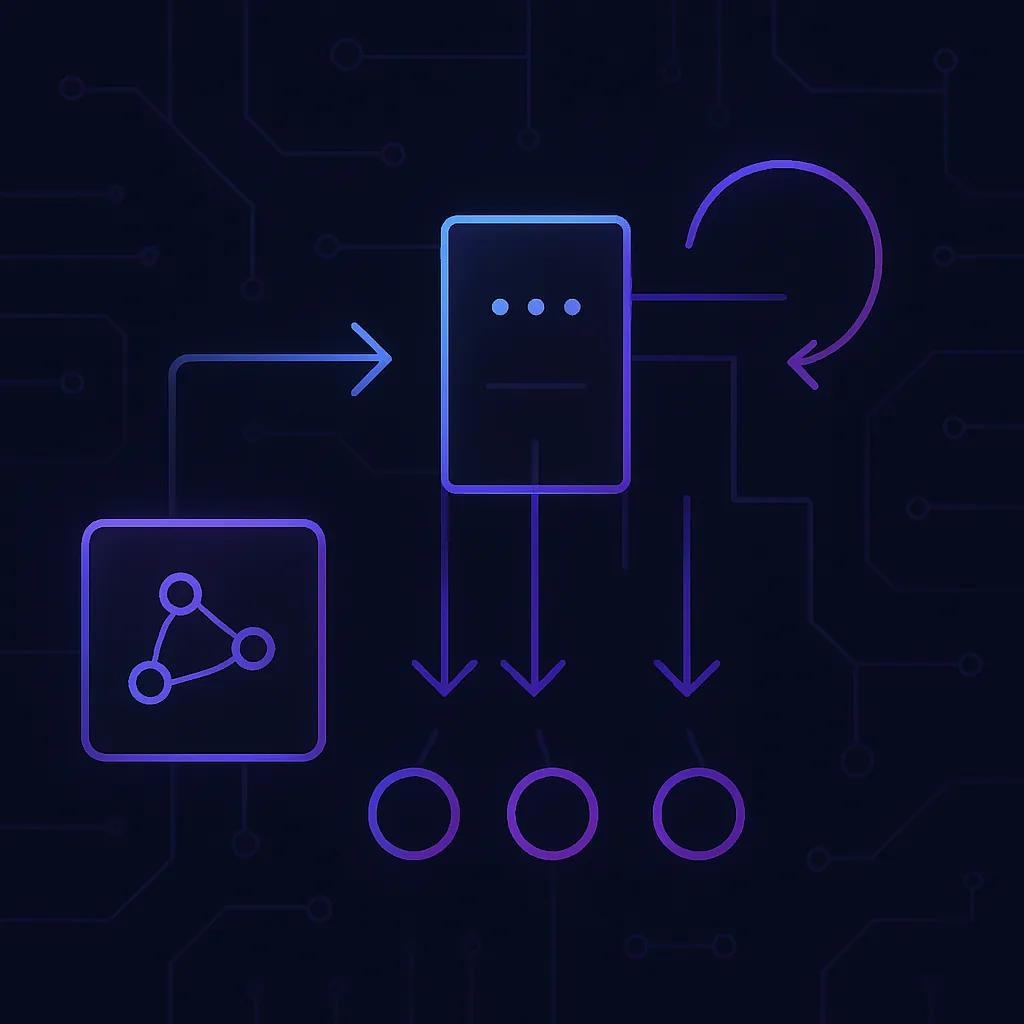
In the rapidly evolving landscape of AI-driven applications, the need for efficient and reliable communication between large language models (LLMs) and client applications has never been more critical. As we step into 2025–2026, the demand for robust LLM gateway patterns—specifically routing, fallback, and load balancing—has surged. These patterns are not just buzzwords; they are essential components in building scalable, resilient, and efficient AI systems.

Why This Topic Matters NOW
The proliferation of AI applications across industries has led to an unprecedented increase in the volume and complexity of requests handled by LLMs. As organizations strive to deliver seamless user experiences, the ability to efficiently route requests, provide fallback mechanisms, and balance loads across multiple instances of LLMs has become paramount. This is especially true in a world where downtime or latency can lead to significant business losses.
Deep Dive into Concepts
Routing
Routing in the context of LLM gateways involves directing incoming requests to the appropriate LLM instance based on predefined criteria. This could be based on factors such as the type of request, user location, or even the current load on the system.
Example:
@RestController
public class LLMGatewayController {

    @Autowired
    private LLMService llmService;

    @GetMapping("/process")
    public ResponseEntity<String> processRequest(@RequestParam String input) {
        String llmInstance = llmService.routeRequest(input);
        return ResponseEntity.ok("Routed to: " + llmInstance);
    }
}
Fallback
Fallback mechanisms are crucial for maintaining service availability. When a primary LLM instance fails or becomes unresponsive, the system should automatically redirect requests to a backup instance.
Example:
public class LLMService {

    private List<String> llmInstances = Arrays.asList("LLM1", "LLM2", "LLM3");

    public String routeRequest(String input) {
        for (String instance : llmInstances) {
            if (isInstanceAvailable(instance)) {
                return instance;
            }
        }
        return "FallbackInstance";
    }

    private boolean isInstanceAvailable(String instance) {
        // Logic to check instance availability
        return true;
    }
}
Load Balancing
Load balancing ensures that no single LLM instance is overwhelmed with requests, distributing the load evenly across all available instances. This is critical for maintaining performance and preventing bottlenecks.
Example:
@Configuration
public class LoadBalancerConfig {

    @Bean
    public IRule loadBalancingRule() {
        return new RoundRobinRule(); // Use a round-robin strategy
    }
}
Real-World Use Cases or Architecture Patterns
Consider a global e-commerce platform using LLMs for customer support chatbots. The platform employs routing to direct requests to the nearest data center, fallback to ensure continuity during outages, and load balancing to handle peak shopping seasons efficiently.
Pros, Cons, and Challenges
Pros
- Scalability: Efficiently handles increasing loads.
- Resilience: Minimizes downtime with fallback strategies.
- Performance: Optimizes response times through intelligent routing.
Cons
- Complexity: Requires sophisticated infrastructure and monitoring.
- Cost: Implementing and maintaining these systems can be expensive.
Challenges
- Dynamic Scaling: Adapting to real-time changes in load and availability.
- Latency: Ensuring minimal delay in routing and fallback processes.
Best Practices / Recommendations
- Monitor Continuously: Use tools like Prometheus and Grafana for real-time monitoring.
- Automate Failover: Implement automated scripts for quick failover.
- Optimize Routing Logic: Regularly update routing algorithms based on usage patterns.
Future Outlook
As AI technologies continue to advance, we can expect further innovations in LLM gateway patterns. The integration of AI-driven decision-making in routing and load balancing will likely become more prevalent, offering even greater efficiency and reliability.
Common Mistakes Engineers Make
- Overlooking Latency: Focusing solely on load can lead to increased latency if routing decisions are not optimized.
- Ignoring Edge Cases: Fallback mechanisms often fail due to untested edge cases.
When NOT to Use This Approach
- Small Scale Applications: For applications with minimal traffic, the complexity of implementing these patterns may not be justified.
- Static Workloads: If the workload is predictable and static, simpler solutions may suffice.
How This Impacts System Design Interviews
Understanding LLM gateway patterns can significantly enhance your performance in system design interviews. Demonstrating knowledge of routing, fallback, and load balancing showcases your ability to design scalable and resilient systems, a critical skill for senior engineering roles.
Conclusion
In conclusion, LLM gateway patterns are indispensable in the modern AI landscape. By mastering routing, fallback, and load balancing, engineers can build systems that are not only efficient and scalable but also resilient to the challenges of today's digital world. As we move forward, these patterns will continue to evolve, driving innovation and setting new standards in AI engineering.