Machine Learning in Production: MLOps Best Practices
In the rapidly evolving landscape of artificial intelligence, deploying machine learning models into production has become a critical challenge for organizations. While data scientists excel at building models, the transition from a Jupyter notebook to a scalable, reliable production system is fraught with complexities. Enter MLOps—a set of practices that aim to streamline the deployment, monitoring, and management of machine learning models in production environments.

Why MLOps Matters Now
As we step into 2025–2026, the demand for AI-driven solutions has skyrocketed. Organizations are not just experimenting with machine learning; they are embedding it into their core business processes. This shift necessitates robust MLOps practices to ensure that models are not only accurate but also scalable, maintainable, and secure. The stakes are high, and the cost of failure can be significant, making MLOps more relevant than ever.
Deep Dive into MLOps Concepts
MLOps is an extension of DevOps principles tailored for machine learning. It encompasses the entire lifecycle of a machine learning model, from development to deployment and beyond. Let's explore some key components:
Continuous Integration and Continuous Deployment (CI/CD)
In traditional software development, CI/CD pipelines automate the process of integrating code changes and deploying them to production. In MLOps, these pipelines are adapted to handle model training, validation, and deployment. Here's a simplified example using a Spring Boot application:
@RestController
public class ModelController {

    @PostMapping("/train")
    public ResponseEntity<String> trainModel() {
        // Trigger model training
        return ResponseEntity.ok("Model training initiated");
    }

    @GetMapping("/predict")
    public ResponseEntity<Double> predict(@RequestParam double input) {
        // Load model and make prediction
        double prediction = model.predict(input);
        return ResponseEntity.ok(prediction);
    }
}
Monitoring and Logging
Once a model is in production, continuous monitoring is essential to ensure it performs as expected. This involves tracking metrics such as accuracy, latency, and resource utilization. Tools like Prometheus and Grafana are commonly used for this purpose.
Versioning and Reproducibility
Versioning models and datasets is crucial for reproducibility. Tools like DVC (Data Version Control) help manage datasets and model versions, ensuring that experiments can be replicated and audited.
Real-World Use Cases and Architecture Patterns
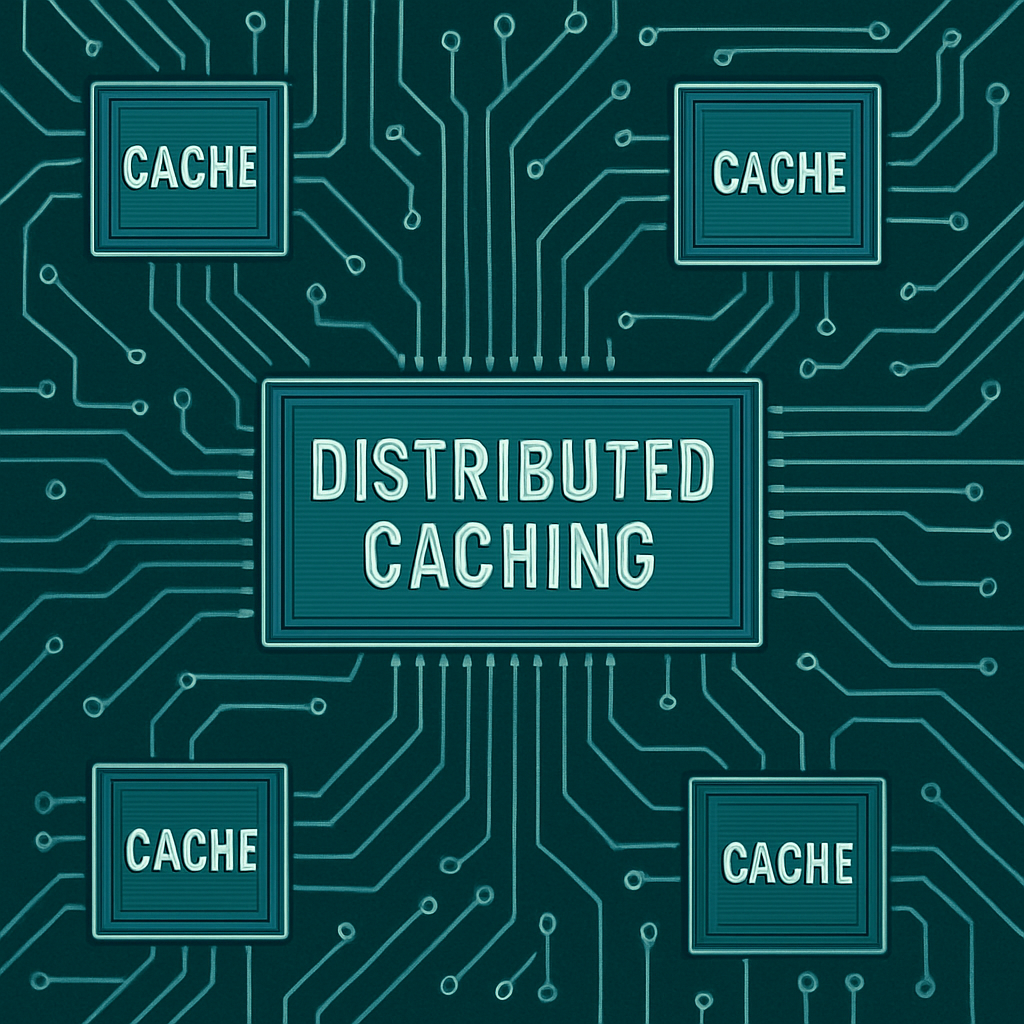
Consider a financial institution using machine learning for fraud detection. The architecture might involve microservices for data ingestion, feature extraction, model inference, and alerting. Here's a simplified architecture diagram:
Pros, Cons, and Challenges
Pros:
- Scalability: MLOps enables models to handle large volumes of data and requests.
- Reliability: Automated testing and monitoring ensure models perform consistently.
- Efficiency: Streamlined processes reduce time-to-market for AI solutions.
Cons:
- Complexity: Implementing MLOps requires significant upfront investment in infrastructure and tooling.
- Skill Gap: Organizations may struggle to find engineers with both ML and DevOps expertise.
Challenges:
- Data Drift: Models may degrade over time as data distributions change.
- Security: Protecting sensitive data and models from unauthorized access is paramount.
Best Practices and Recommendations
- Automate Everything: From data preprocessing to model deployment, automation reduces human error and accelerates workflows.
- Implement Robust Monitoring: Use tools like Prometheus to track model performance and set up alerts for anomalies.
- Embrace Infrastructure as Code (IaC): Tools like Terraform can help manage cloud resources efficiently.
- Foster Collaboration: Encourage collaboration between data scientists, engineers, and operations teams to bridge knowledge gaps.
Common Mistakes Engineers Make
- Neglecting Monitoring: Failing to monitor models can lead to undetected performance issues.
- Overfitting to Training Data: Without proper validation, models may perform poorly in production.
- Ignoring Security: Overlooking security can expose models and data to threats.
When NOT to Use This Approach
MLOps may not be suitable for small-scale projects or prototypes where the overhead of setting up pipelines and infrastructure outweighs the benefits. In such cases, simpler deployment methods may suffice.
How This Impacts System Design Interviews
Understanding MLOps can give candidates an edge in system design interviews, especially for roles involving AI and cloud infrastructure. Interviewers may assess your ability to design scalable, maintainable ML systems.
Future Outlook
As AI continues to permeate various industries, MLOps will evolve to address emerging challenges such as ethical AI, explainability, and real-time model updates. The integration of AI with edge computing and IoT will further expand the scope of MLOps.
Conclusion
MLOps is not just a buzzword; it's a necessity for organizations looking to harness the full potential of machine learning. By adopting best practices and avoiding common pitfalls, engineers can ensure their models are robust, scalable, and ready for the challenges of tomorrow.
Key takeaways:
- MLOps bridges the gap between data science and operations.
- Automation, monitoring, and collaboration are critical components.
- Understanding MLOps can enhance your system design skills and career prospects.