
Mastering Kubernetes Pod Lifecycle: Init Containers and Lifecycle Hooks
In the ever-evolving landscape of cloud-native applications, Kubernetes has emerged as the de facto standard for container orchestration. As we move into 2025 and beyond, understanding the intricacies of Kubernetes, particularly the Pod lifecycle, is crucial for engineers aiming to build resilient and scalable systems. This post delves into two pivotal aspects of the Kubernetes Pod lifecycle: Init Containers and Lifecycle Hooks.
Why This Topic Matters Now
With the increasing complexity of microservices architectures and the shift towards more dynamic, cloud-native environments, the need for robust initialization and lifecycle management of containers has never been more critical. Init Containers and Lifecycle Hooks provide powerful mechanisms to ensure that your applications start correctly and handle shutdown gracefully, which is essential for maintaining uptime and reliability in production systems.
Deep Dive into Concepts
Init Containers
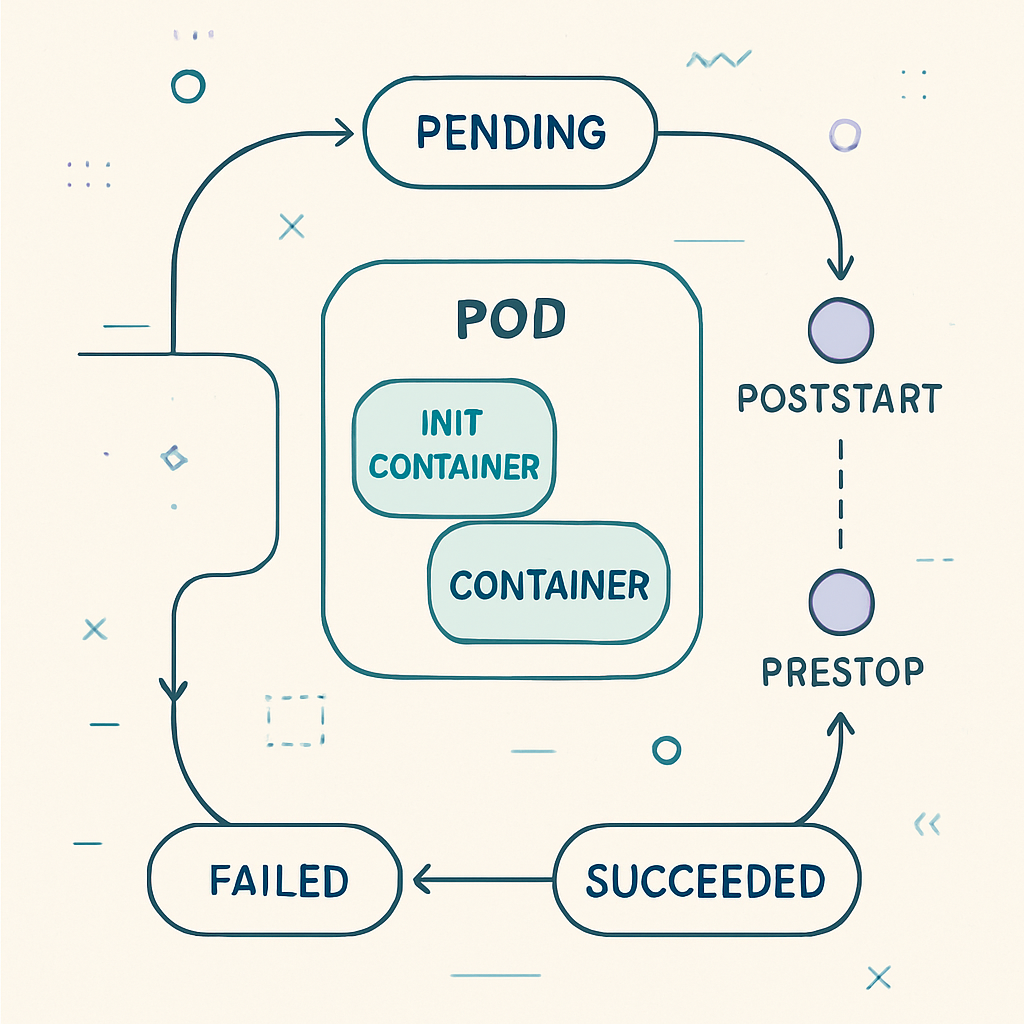
Init Containers are specialized containers that run before the main application container in a Pod. They are designed to perform initialization tasks that must complete successfully before the application container starts. This can include tasks like setting up configuration files, waiting for a service to become available, or performing database migrations.
Example:
apiVersion: v1
kind: Pod
metadata:
  name: myapp-pod
spec:
  initContainers:
  - name: init-myservice
    image: busybox
    command: ['sh', '-c', 'until nslookup myservice; do echo waiting for myservice; sleep 2; done;']
  containers:
  - name: myapp-container
    image: myapp:1.0
In this example, the Init Container waits for a DNS entry for myservice to become available before the main application container starts.
Lifecycle Hooks
Lifecycle Hooks allow you to execute code triggered by events in the container's lifecycle, such as when the container is started or terminated. The two primary hooks are PostStart and PreStop.
Example:
apiVersion: v1
kind: Pod
metadata:
  name: lifecycle-demo
spec:
  containers:
  - name: myapp-container
    image: myapp:1.0
    lifecycle:
      postStart:
        exec:
          command: ["/bin/sh", "-c", "echo Hello from the postStart handler"]
      preStop:
        exec:
          command: ["/bin/sh", "-c", "echo Goodbye from the preStop handler"]
Here, the postStart hook runs a command after the container starts, and the preStop hook runs a command before the container stops.
Real-World Use Cases and Architecture Patterns
Use Case: Database Initialization
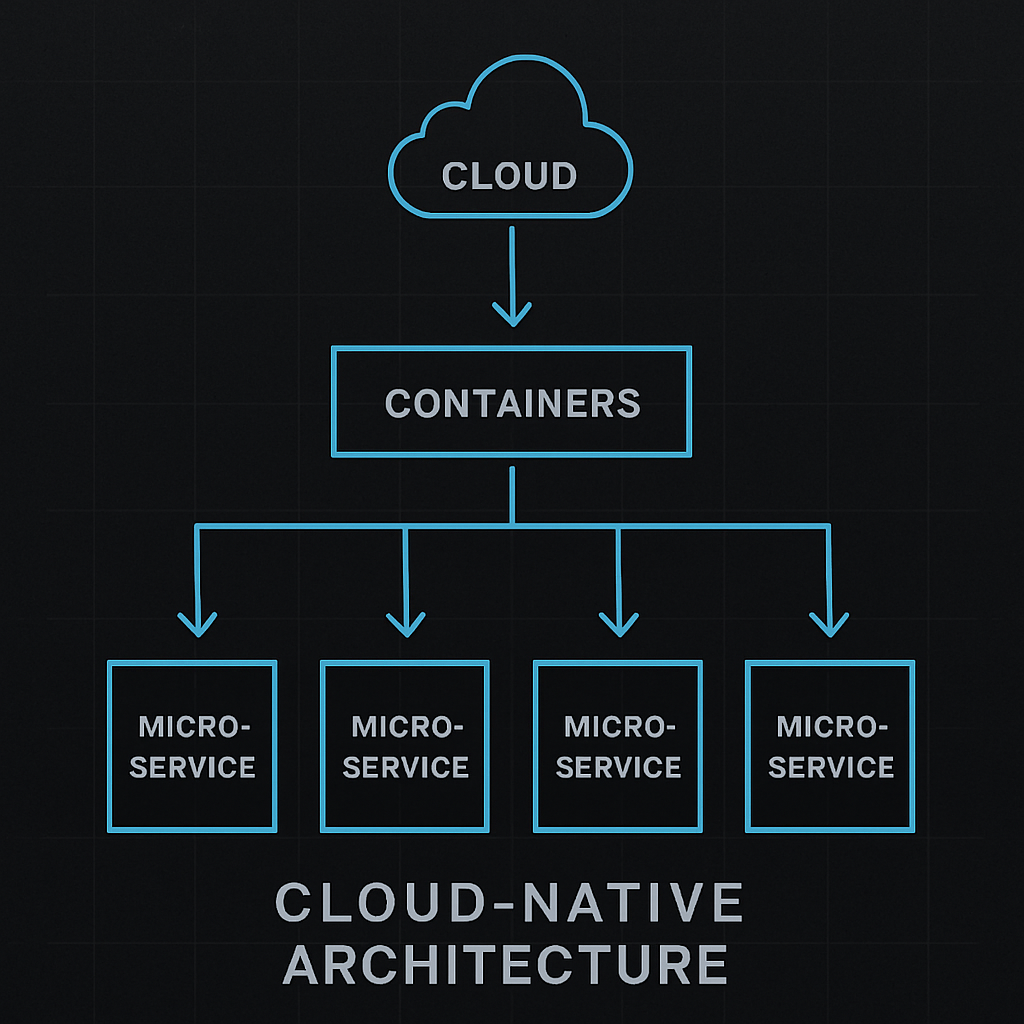
In a microservices architecture, services often depend on databases that need to be initialized or migrated before the application starts. Init Containers can be used to run database migration scripts, ensuring that the database schema is up-to-date before the application container starts.
Use Case: Graceful Shutdown
Lifecycle Hooks, particularly PreStop, are invaluable for ensuring that applications shut down gracefully. For instance, a web server can use the PreStop hook to stop accepting new requests and finish processing existing ones before the container is terminated.
Pros, Cons, and Challenges
Pros
- Reliability: Ensures that all dependencies are met before the application starts.
- Flexibility: Allows for complex initialization logic.
- Graceful Shutdown: Helps in maintaining data integrity and service availability during shutdown.
Cons
- Complexity: Adds additional layers of complexity to Pod configuration.
- Startup Time: Can increase the time it takes for a Pod to become ready.
Challenges
- Debugging: Troubleshooting Init Containers and Lifecycle Hooks can be challenging, especially in complex environments.
- Resource Management: Init Containers consume resources, which need to be accounted for in resource planning.
Best Practices / Recommendations
- Keep Init Containers Lightweight: Ensure that Init Containers are as lightweight as possible to minimize startup time.
- Use Lifecycle Hooks Judiciously: Only use hooks when necessary to avoid unnecessary complexity.
- Monitor and Log: Implement robust logging and monitoring for Init Containers and Lifecycle Hooks to aid in debugging and performance tuning.
Common Mistakes Engineers Make
- Ignoring Resource Limits: Failing to set appropriate resource limits for Init Containers can lead to resource contention.
- Overcomplicating Initialization Logic: Complex logic in Init Containers can lead to increased startup times and potential failures.
When NOT to Use This Approach
- Simple Applications: For simple applications with minimal initialization requirements, the added complexity of Init Containers and Lifecycle Hooks may not be justified.
- Stateless Services: Stateless services that do not require initialization or graceful shutdown may not benefit from these features.
How This Impacts System Design Interviews
Understanding Init Containers and Lifecycle Hooks can set you apart in system design interviews, especially when discussing cloud-native architectures. Demonstrating knowledge of these features shows an ability to design resilient and scalable systems.
Future Outlook
As Kubernetes continues to evolve, we can expect further enhancements to Pod lifecycle management, potentially offering more granular control and automation capabilities. Staying abreast of these developments will be crucial for engineers working in cloud-native environments.
Conclusion
Init Containers and Lifecycle Hooks are powerful tools in the Kubernetes ecosystem, enabling engineers to build more reliable and resilient applications. By understanding and effectively implementing these features, you can ensure that your applications are well-prepared to handle the complexities of modern cloud-native environments.
Key takeaways include the importance of initialization and graceful shutdown, the trade-offs involved, and best practices for implementation. As we look to the future, mastering these concepts will be essential for any engineer working with Kubernetes.