Mastering PostgreSQL Table Partitioning for Performance at Scale
In the ever-evolving landscape of software development, where data volumes are skyrocketing and performance demands are relentless, PostgreSQL table partitioning emerges as a powerful ally. As we navigate through 2025 and beyond, understanding and implementing table partitioning can be the difference between a sluggish system and a high-performance powerhouse.

Why Table Partitioning Matters Now
With the exponential growth of data, traditional database management techniques often fall short. The need for scalable, efficient, and performant systems is more pressing than ever. PostgreSQL, a robust and versatile database system, offers table partitioning as a solution to manage large datasets effectively. This technique not only improves query performance but also enhances data management and maintenance.
Deep Dive into Table Partitioning
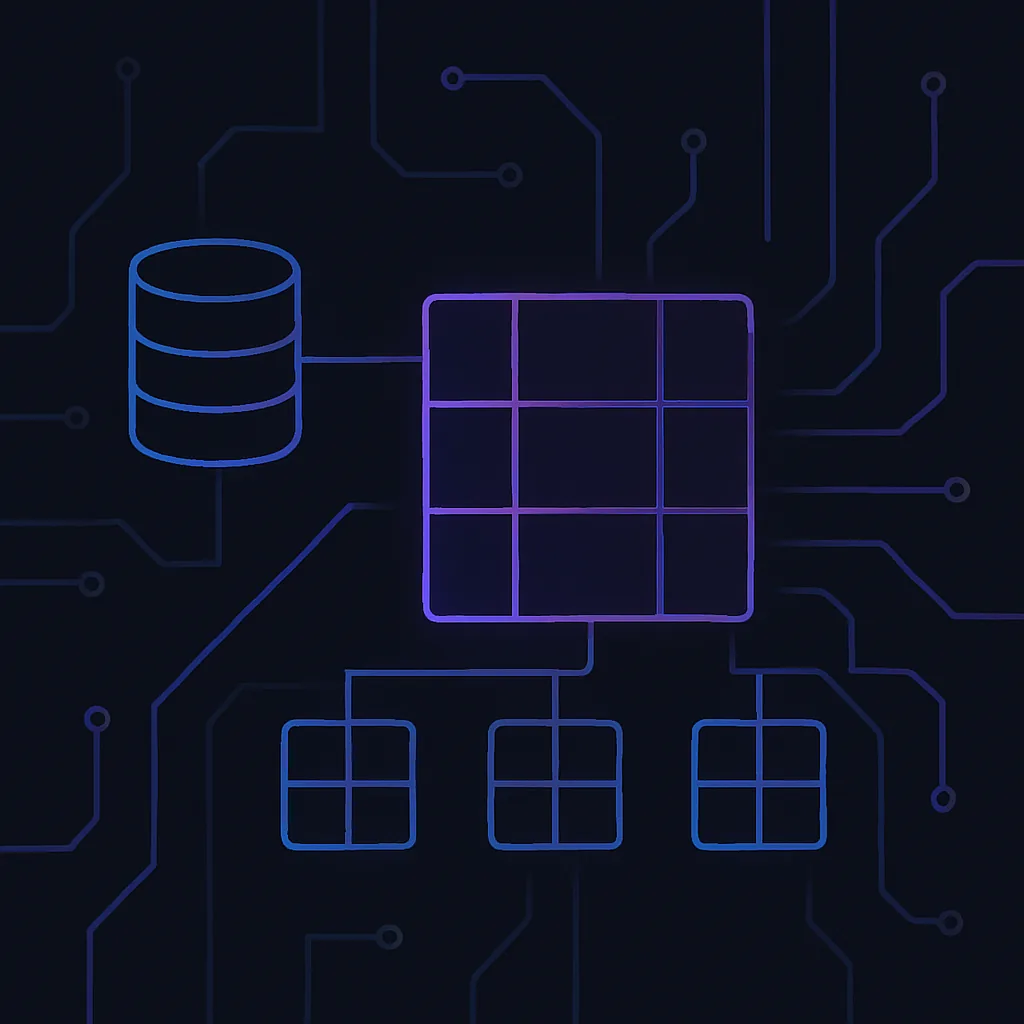
Table partitioning in PostgreSQL involves dividing a large table into smaller, more manageable pieces called partitions. Each partition can be accessed and managed independently, allowing for optimized query performance and maintenance operations.
Example: Range Partitioning
Consider a table orders that stores millions of records. By partitioning this table based on the order_date, you can create separate partitions for each month or year.
CREATE TABLE orders (
    order_id SERIAL PRIMARY KEY,
    order_date DATE NOT NULL,
    customer_id INT,
    amount DECIMAL
) PARTITION BY RANGE (order_date);

CREATE TABLE orders_2025 PARTITION OF orders
    FOR VALUES FROM ('2025-01-01') TO ('2026-01-01');
This setup allows queries targeting specific date ranges to access only the relevant partitions, significantly reducing query time.
Real-World Use Cases and Architecture Patterns
Use Case: E-commerce Platforms
E-commerce platforms often deal with vast amounts of transactional data. By partitioning tables like orders and transactions, these platforms can achieve faster query responses and efficient data archiving.
Architecture Pattern: Microservices with Partitioned Databases
In a microservices architecture, each service might have its own database. By employing table partitioning, services can handle large datasets more efficiently, leading to improved overall system performance.
Pros, Cons, and Challenges
Pros
- Improved Query Performance: Queries can target specific partitions, reducing the amount of data scanned.
- Efficient Data Management: Easier to manage and archive data by dropping or detaching old partitions.
- Scalability: Supports large datasets by distributing data across partitions.
Cons
- Complexity: Requires careful planning and management.
- Maintenance Overhead: Partition management can add complexity to database operations.
Challenges
- Choosing the Right Partition Key: A poor choice can lead to uneven data distribution.
- Migration and Refactoring: Existing systems may require significant changes to implement partitioning.
Best Practices and Recommendations
- Analyze Query Patterns: Understand your query patterns to choose the right partitioning strategy.
- Monitor Performance: Continuously monitor and adjust partitions as data grows.
- Automate Maintenance: Use scripts or tools to automate partition management tasks.
Common Mistakes Engineers Make
- Over-Partitioning: Creating too many partitions can lead to increased overhead.
- Ignoring Data Distribution: Failing to consider data distribution can negate the benefits of partitioning.
When NOT to Use This Approach
- Small Datasets: For small datasets, the overhead of partitioning may outweigh the benefits.
- Simple Applications: If your application does not require high performance or scalability, partitioning might be unnecessary.
How This Impacts System Design Interviews
Understanding table partitioning can be a valuable asset in system design interviews. It demonstrates your ability to design scalable systems and manage large datasets effectively. Be prepared to discuss partitioning strategies and their impact on performance and maintenance.
Future Outlook
As data continues to grow, the importance of efficient data management techniques like table partitioning will only increase. Future advancements in PostgreSQL and database technologies will likely offer even more sophisticated partitioning options, further enhancing performance and scalability.
Conclusion
PostgreSQL table partitioning is a powerful tool for managing large datasets and improving performance at scale. By understanding its benefits, challenges, and best practices, you can optimize your database systems to meet the demands of modern applications. As we move forward, mastering these techniques will be crucial for building efficient, scalable, and high-performance systems.
By leveraging PostgreSQL table partitioning, you can transform your database management strategy, ensuring your systems are ready to handle the challenges of tomorrow's data-driven world.