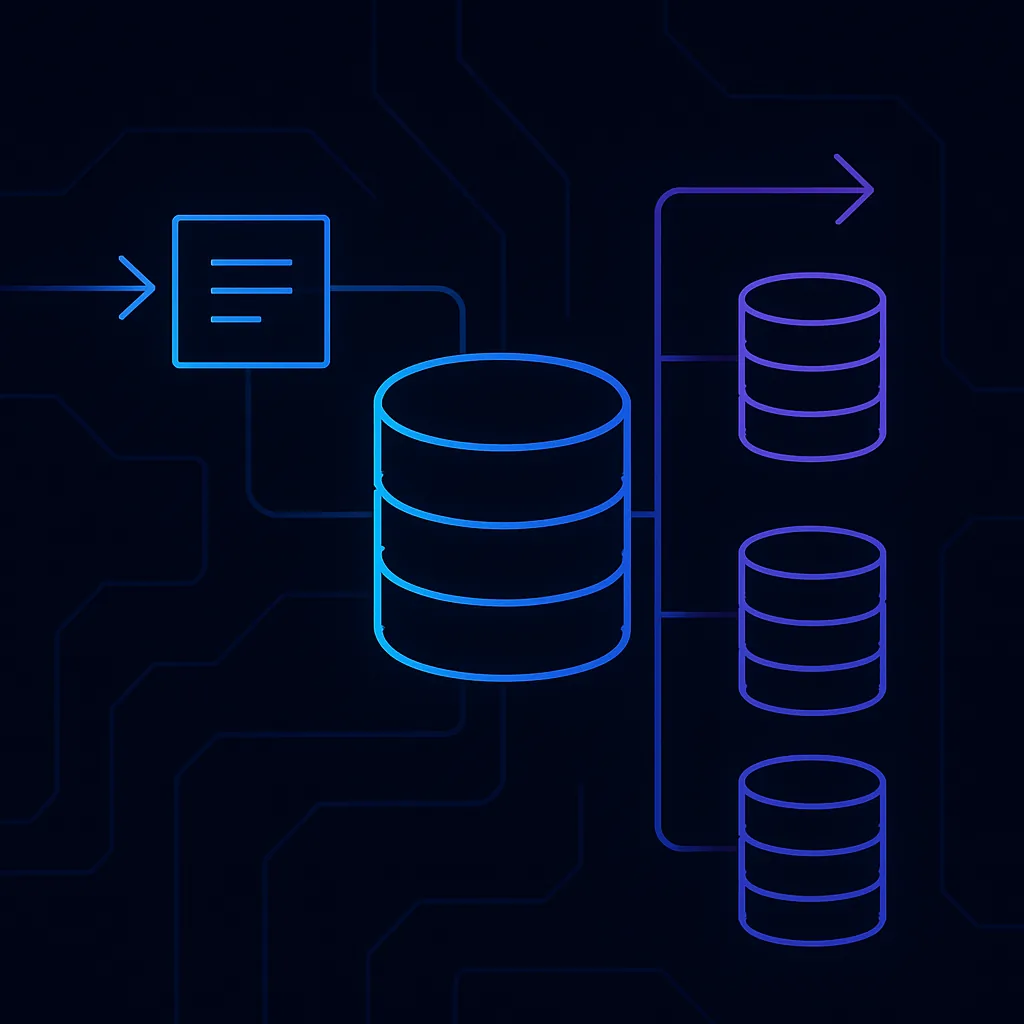
Mastering Read Replicas and Write Splitting in Production Databases
In the ever-evolving landscape of software architecture, the need for scalable and high-performance databases is more critical than ever. As we step into 2025 and beyond, the demand for systems that can handle massive amounts of data with minimal latency is at an all-time high. Enter read replicas and write splitting—two powerful techniques that can transform how we design and manage production databases.
Why This Topic Matters Now
With the proliferation of microservices, cloud-native applications, and global user bases, the pressure on databases to perform efficiently has intensified. Read replicas and write splitting offer a way to distribute database load, improve read performance, and ensure high availability. As organizations strive to deliver seamless user experiences, understanding and implementing these techniques is no longer optional—it's essential.
Deep Dive into Concepts
Read Replicas
Read replicas are copies of the primary database that are used to offload read queries. They are particularly useful in scenarios where read-heavy workloads can overwhelm a single database instance.
Example:
Imagine a social media platform where users frequently read posts, comments, and likes. By directing these read operations to replicas, the primary database can focus on handling write operations, such as creating new posts or updating user profiles.
Write Splitting
Write splitting involves directing write operations to a primary database while distributing read operations across multiple replicas. This separation ensures that write operations do not compete with read operations for resources, leading to improved performance.
Example:
Consider an e-commerce platform with a high volume of transactions. Write splitting allows the system to handle order placements and inventory updates efficiently while serving product catalog queries from replicas.
Real-World Use Cases and Architecture Patterns
Use Case: Global Content Delivery
In a global content delivery network, read replicas can be strategically placed in different geographic regions to reduce latency for users accessing content. This setup ensures that users receive fast responses without overloading the primary database.
Use Case: Microservices Architecture
In a microservices architecture, different services may have varying read and write requirements. By implementing write splitting, each service can interact with the database in a way that optimizes its specific workload.
Pros, Cons, and Challenges
Pros
- Scalability: Easily scale read operations by adding more replicas.
- Performance: Reduce latency for read-heavy applications.
- Availability: Increase fault tolerance by distributing load across multiple instances.
Cons
- Consistency: Potential for stale data due to replication lag.
- Complexity: Increased complexity in managing multiple database instances.
- Cost: Additional infrastructure costs for maintaining replicas.
Challenges
- Replication Lag: Ensuring that replicas are up-to-date with the primary database.
- Data Consistency: Handling eventual consistency in applications that require real-time data.
Best Practices / Recommendations
- Monitor Replication Lag: Use monitoring tools to track and minimize replication lag.
- Automate Failover: Implement automated failover mechanisms to ensure high availability.
- Optimize Read Queries: Design read queries to take advantage of replicas without overloading them.
Common Mistakes Engineers Make
- Ignoring Replication Lag: Failing to account for replication lag can lead to inconsistent data being served to users.
- Overloading Replicas: Directing too many read queries to a single replica can negate the benefits of read scaling.
- Neglecting Write Performance: Focusing solely on read performance can lead to bottlenecks in write operations.
When NOT to Use This Approach
- Low Traffic Applications: For applications with minimal read/write operations, the complexity of managing replicas may not be justified.
- Real-Time Data Needs: Applications requiring real-time data consistency may struggle with replication lag.
How This Impacts System Design Interviews
Understanding read replicas and write splitting can set candidates apart in system design interviews. Demonstrating knowledge of these techniques shows an ability to design scalable, high-performance systems—a critical skill for senior engineering roles.
Future Outlook
As database technologies continue to evolve, the integration of AI and machine learning for predictive scaling and automated optimization will further enhance the capabilities of read replicas and write splitting. The future promises even more sophisticated tools for managing database performance at scale.
Conclusion
Read replicas and write splitting are indispensable tools in the modern engineer's toolkit. By leveraging these techniques, organizations can build systems that are not only scalable and performant but also resilient and cost-effective. As we move forward, mastering these concepts will be crucial for engineers looking to design the next generation of high-performance applications.
In this blog post, we've explored the intricacies of read replicas and write splitting, delving into their real-world applications, benefits, and challenges. By understanding and implementing these techniques, engineers can significantly enhance the performance and scalability of their production databases.