
Mastering Technical Trade-offs: Navigating Team Discussions with Confidence
In the ever-evolving landscape of software development, the ability to negotiate technical trade-offs during team discussions is a critical skill. As systems become more complex and the demand for rapid delivery increases, engineers must balance competing priorities to deliver robust, scalable, and maintainable solutions. This blog post delves into the art of negotiating technical trade-offs, providing insights and strategies for effective communication and decision-making.

Why This Topic Matters NOW
As we move into 2025 and beyond, the software industry faces unprecedented challenges. The rise of AI-driven applications, the proliferation of microservices, and the increasing reliance on cloud-native architectures demand that engineers make informed decisions quickly. The ability to navigate technical trade-offs is not just a desirable skill—it's essential for maintaining competitive advantage and ensuring system resilience.
Deep Dive into Concepts
Understanding Technical Trade-offs
Technical trade-offs involve balancing different aspects of a system, such as performance, scalability, maintainability, and cost. For example, choosing between a monolithic architecture and microservices involves trade-offs in terms of deployment complexity, scalability, and team autonomy.
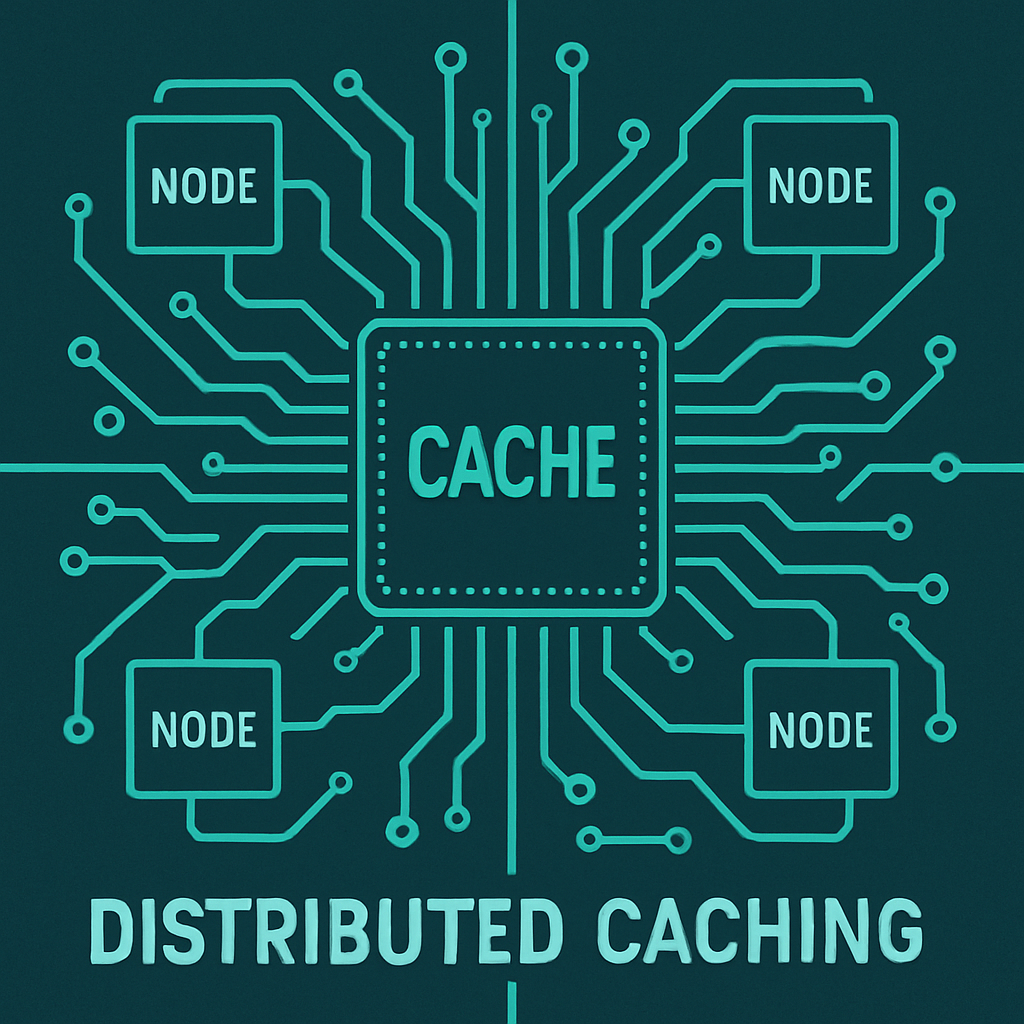
Consider a scenario where a team must decide whether to implement a caching layer to improve performance. The trade-off here involves increased complexity and potential cache invalidation issues versus the benefit of reduced latency and improved user experience.
Real-world Use Cases and Architecture Patterns
Microservices vs. Monoliths
Microservices offer scalability and flexibility but come with increased operational overhead and complexity in managing inter-service communication. In contrast, monolithic architectures are simpler to deploy but can become unwieldy as the application grows.
In this diagram, the API Gateway routes requests to different microservices, each responsible for a specific domain. This pattern allows for independent scaling and deployment but requires robust monitoring and orchestration.
Pros, Cons, and Challenges
- Pros of Microservices:
- Independent scaling
- Technology diversity
-
Fault isolation
-
Cons of Microservices:
- Increased complexity
- Network latency
-
Data consistency challenges
-
Challenges:
- Ensuring consistent communication
- Managing distributed transactions
Best Practices / Recommendations
-
Prioritize Requirements: Clearly define the primary goals of the system. Is performance the top priority, or is it scalability? Understanding the core requirements helps guide trade-off decisions.
-
Involve Stakeholders: Engage all relevant stakeholders, including product managers, architects, and operations teams, to ensure a holistic view of the trade-offs.
-
Prototype and Test: Build prototypes to evaluate the impact of different trade-offs. Testing in a controlled environment can reveal potential issues before full-scale implementation.
-
Document Decisions: Maintain a record of trade-off decisions and the rationale behind them. This documentation is invaluable for future reference and onboarding new team members.
Common Mistakes Engineers Make
- Over-optimizing Early: Premature optimization can lead to unnecessary complexity. Focus on building a functional MVP before addressing performance bottlenecks.
- Ignoring Non-functional Requirements: Performance, security, and maintainability are often overlooked in favor of feature delivery. Ensure these aspects are considered in trade-off discussions.
- Lack of Communication: Failing to communicate the implications of trade-offs can lead to misaligned expectations and technical debt.
When NOT to Use This Approach
Avoid extensive trade-off discussions when:
- Time is Critical: In situations where time-to-market is crucial, prioritize delivering a working solution over extensive deliberation.
- Requirements are Unclear: Without clear requirements, trade-off discussions can become speculative and unproductive.
How This Impacts System Design Interviews
In system design interviews, demonstrating an understanding of technical trade-offs is key. Interviewers look for candidates who can articulate the pros and cons of different architectural decisions and justify their choices based on the given requirements.
Future Outlook
As technology continues to evolve, the complexity of systems will increase, making the ability to negotiate technical trade-offs even more critical. Emerging trends such as serverless computing and edge computing will introduce new dimensions to these discussions, requiring engineers to stay informed and adaptable.
Conclusion with Key Takeaways
Negotiating technical trade-offs is an essential skill for modern software engineers. By understanding the implications of different architectural decisions, involving stakeholders, and prioritizing requirements, teams can make informed choices that align with business goals. As the industry evolves, staying adaptable and open to new approaches will be crucial for success.
In summary, mastering the art of technical trade-offs empowers engineers to build resilient, scalable, and efficient systems that meet the demands of today's fast-paced digital landscape.