
Navigating Disagreements in Architecture Discussions: A Guide for Engineers
In the fast-paced world of software development, architecture discussions are a critical component of building scalable and maintainable systems. However, these discussions often lead to disagreements among team members. As engineers, how can we navigate these disagreements effectively to ensure the best outcomes for our projects?
Why This Topic Matters Now
As we move into 2025 and beyond, the complexity of software systems continues to grow. With the rise of microservices, cloud-native architectures, and AI-driven solutions, architecture discussions have become more intricate. The stakes are higher, and the need for effective communication and decision-making is more critical than ever. Disagreements, if not handled properly, can lead to suboptimal designs, technical debt, and even project failures.
Deep Dive into Concepts
Understanding the Root of Disagreements
Disagreements in architecture discussions often stem from differing perspectives, experiences, and priorities. For instance, a backend engineer might prioritize performance and scalability, while a DevOps engineer might focus on deployment and monitoring. Recognizing these differing viewpoints is the first step in addressing disagreements.
Real-World Use Cases and Architecture Patterns
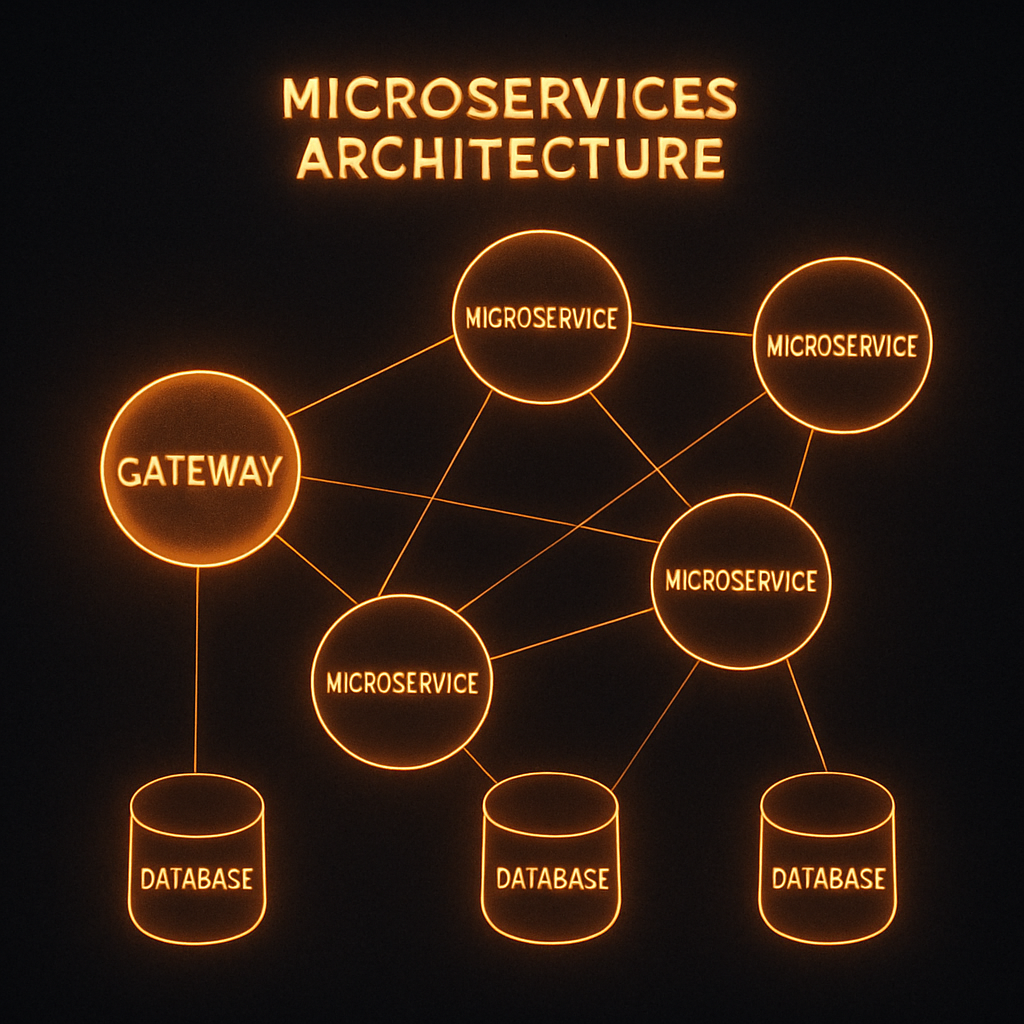
Consider a scenario where a team is deciding between a monolithic architecture and a microservices approach. The decision isn't just about technology; it's about aligning with business goals, team expertise, and future scalability needs.
In this diagram, the decision-making process involves evaluating trade-offs between simplicity and scalability. Each path has its pros and cons, and the team must weigh these against their specific context.
Pros, Cons, and Challenges
- Monolithic Architecture: Easier to develop and deploy initially but can become a bottleneck as the system grows.
- Microservices Architecture: Offers scalability and flexibility but introduces complexity in communication and data consistency.
Best Practices and Recommendations
-
Foster Open Communication: Encourage team members to express their opinions and concerns openly. Use structured formats like ADRs (Architecture Decision Records) to document decisions and rationale.
-
Focus on Shared Goals: Align discussions around the project's goals and objectives. This helps in prioritizing decisions that benefit the overall system rather than individual preferences.
-
Leverage Prototyping: Build prototypes to test assumptions and validate architectural choices. This can provide concrete data to support or refute different viewpoints.
-
Involve Diverse Perspectives: Include team members from different disciplines (e.g., frontend, backend, DevOps) to ensure a holistic view of the architecture.
Common Mistakes Engineers Make
- Ignoring Non-Functional Requirements: Often, discussions focus too much on functional aspects, neglecting critical non-functional requirements like security, performance, and maintainability.
- Overemphasizing New Technologies: Engineers may push for the latest technologies without considering their maturity or fit for the project.
When NOT to Use This Approach
Avoid rigid adherence to a single architectural style. For example, microservices are not always the best choice for small teams or projects with limited scope. Evaluate the context and constraints before making a decision.
How This Impacts System Design Interviews
In system design interviews, candidates are often evaluated on their ability to handle disagreements and justify their architectural choices. Demonstrating an understanding of trade-offs and effective communication can set candidates apart.
Future Outlook
As AI and machine learning continue to influence software development, architecture discussions will increasingly involve considerations around data privacy, ethical AI, and automated decision-making. Engineers must stay informed about these trends to navigate future disagreements effectively.
Conclusion: Key Takeaways
Handling disagreements in architecture discussions is an essential skill for engineers. By fostering open communication, focusing on shared goals, and leveraging diverse perspectives, teams can make informed decisions that lead to robust and scalable systems. As the software landscape evolves, staying adaptable and informed will be key to navigating future challenges.
In summary, disagreements are not just obstacles but opportunities for growth and innovation. Embrace them with a strategic mindset, and your architecture discussions will lead to better outcomes for your projects and teams.