
Scaling Your Tests with pytest: Mastering Fixtures, Parametrize, and Test Isolation
In the fast-paced world of software development, flaky tests and slow test suites can be a bottleneck, leading to delayed deployments and frustrated engineers. Imagine a scenario where your CI/CD pipeline grinds to a halt due to unreliable tests. This is where pytest's advanced features like fixtures, parametrize, and test isolation come into play, offering a robust solution to scale your testing efforts effectively.
Context and Assumptions
This post assumes you're working with Python 3.9+, pytest 7.x, and a codebase that handles moderate to high complexity, such as a microservices architecture or a data processing pipeline. We won't cover basic pytest setup or Python syntax; instead, we'll focus on scaling patterns. If you're dealing with a simple script or a small project, some of these techniques might be overkill.
Why This Matters Now (2025-2026 Context)
As we move further into 2025, the complexity of software systems continues to grow, with microservices, serverless architectures, and AI-driven applications becoming the norm. This complexity demands more sophisticated testing strategies to ensure reliability and performance. pytest, with its mature ecosystem and powerful features, remains a go-to tool for Python developers aiming to maintain high-quality codebases.
Step-by-step Walkthrough of the Approach
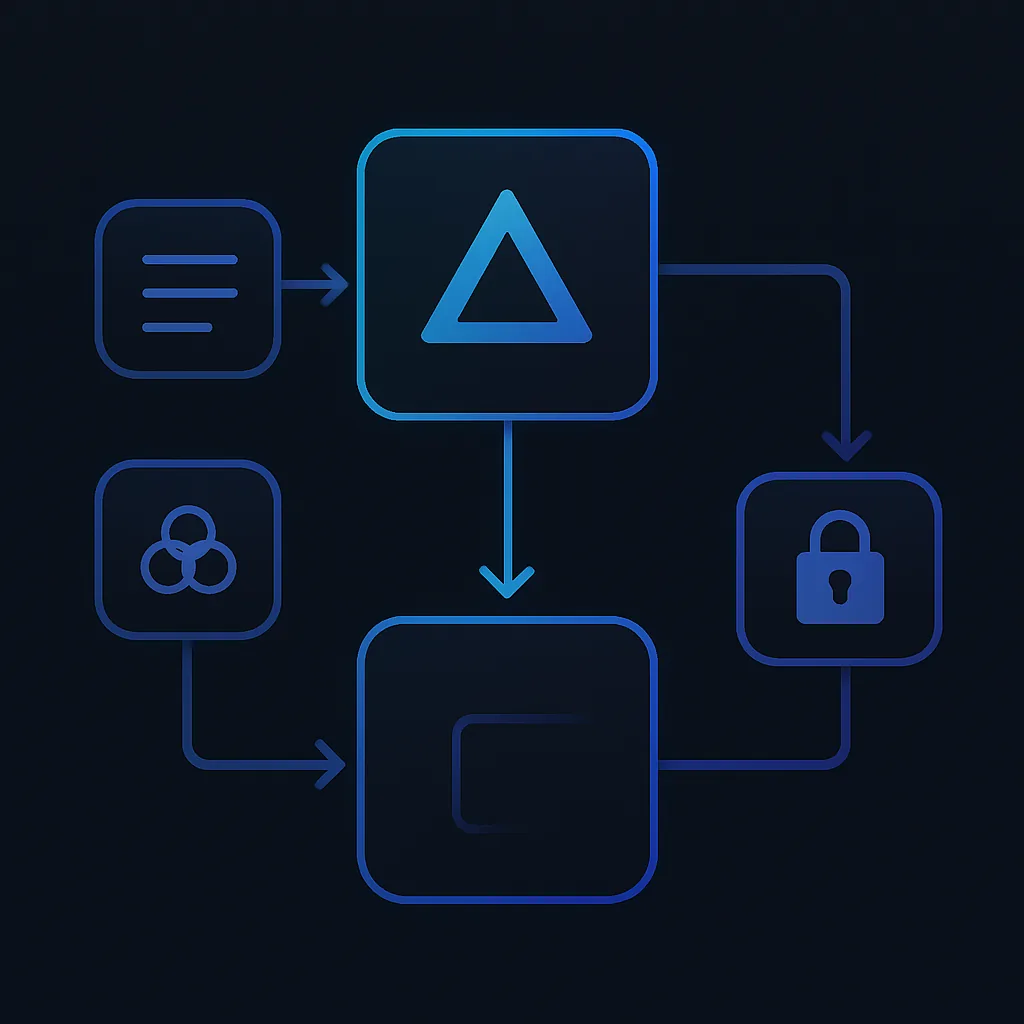
- Leverage Fixtures for Setup and Teardown
Fixtures in pytest allow you to define setup and teardown logic that can be reused across multiple tests. This not only reduces code duplication but also ensures consistency.
python
   @pytest.fixture
   def db_connection():
       conn = create_db_connection()  # Setup
       yield conn
       conn.close()  # Teardown
By using fixtures, you can manage resources like database connections efficiently, ensuring they are properly initialized and cleaned up.
- Use Parametrize for Comprehensive Test Coverage
The @pytest.mark.parametrize decorator enables you to run a test function with multiple sets of parameters, increasing test coverage without duplicating code.
python
   @pytest.mark.parametrize("input,expected", [
       (1, 2),
       (2, 3),
       (3, 4),
   ])
   def test_increment(input, expected):
       assert increment(input) == expected  # Test with multiple inputs
This approach is particularly useful for testing functions with a wide range of inputs, ensuring edge cases are covered.
- Ensure Test Isolation for Reliability
Test isolation is crucial to prevent tests from affecting each other, which can lead to flaky tests. Use fixtures to reset state and mock external dependencies.
python
   @pytest.fixture(autouse=True)
   def reset_state():
       reset_global_state()  # Ensure a clean state for each test
By isolating tests, you ensure that each test runs independently, leading to more reliable test outcomes.
Real-world Use Cases or Architecture Patterns

In large-scale systems, companies like Netflix and Spotify use pytest to manage complex test suites. They leverage fixtures to manage dependencies across microservices and use parametrize to test various configurations and data sets. This approach allows them to maintain high test coverage and reliability, even as their systems evolve.
Common Mistakes Engineers Make
- Overusing Fixtures: While fixtures are powerful, overusing them can lead to complex dependencies that are hard to manage. Keep fixtures focused and modular.
- Ignoring Test Isolation: Failing to isolate tests can lead to flaky tests that are hard to debug. Always ensure tests do not share state.
- Neglecting Parametrize: Not using parametrize can result in insufficient test coverage, especially for functions with multiple input scenarios.
Trade-offs and When NOT to Use This Approach
- Performance Overhead: Fixtures and parametrize can introduce performance overhead, especially in large test suites. If performance is a critical concern, consider optimizing fixture usage or running tests in parallel.
- Complexity: For small projects, the complexity introduced by fixtures and parametrize might not be justified. Evaluate the trade-offs based on your project's scale and requirements.
How This Impacts System Design Interviews
Understanding pytest's advanced features can be a differentiator in system design interviews, showcasing your ability to manage complex testing scenarios. It demonstrates your knowledge of scalable testing practices, which is crucial for designing robust systems.
Practical Recap
- Implement Fixtures: Use fixtures to manage setup and teardown logic efficiently.
- Adopt Parametrize: Increase test coverage by running tests with multiple parameter sets.
- Ensure Isolation: Isolate tests to prevent flaky outcomes and ensure reliability.
- Evaluate Trade-offs: Consider the performance and complexity trade-offs when scaling tests.
- Prepare for Interviews: Leverage your knowledge of pytest in system design interviews to stand out.
By mastering these pytest patterns, you can scale your testing efforts effectively, ensuring your codebase remains robust and reliable as it grows.