Software 3.0: Programming by Describing What You Want
In the ever-evolving landscape of software development, a new paradigm is emerging: Software 3.0. Imagine a world where you no longer write code line by line but instead describe what you want, and the system generates the code for you. This isn't science fiction—it's the future of programming, and it's happening now.
Why This Topic Matters NOW
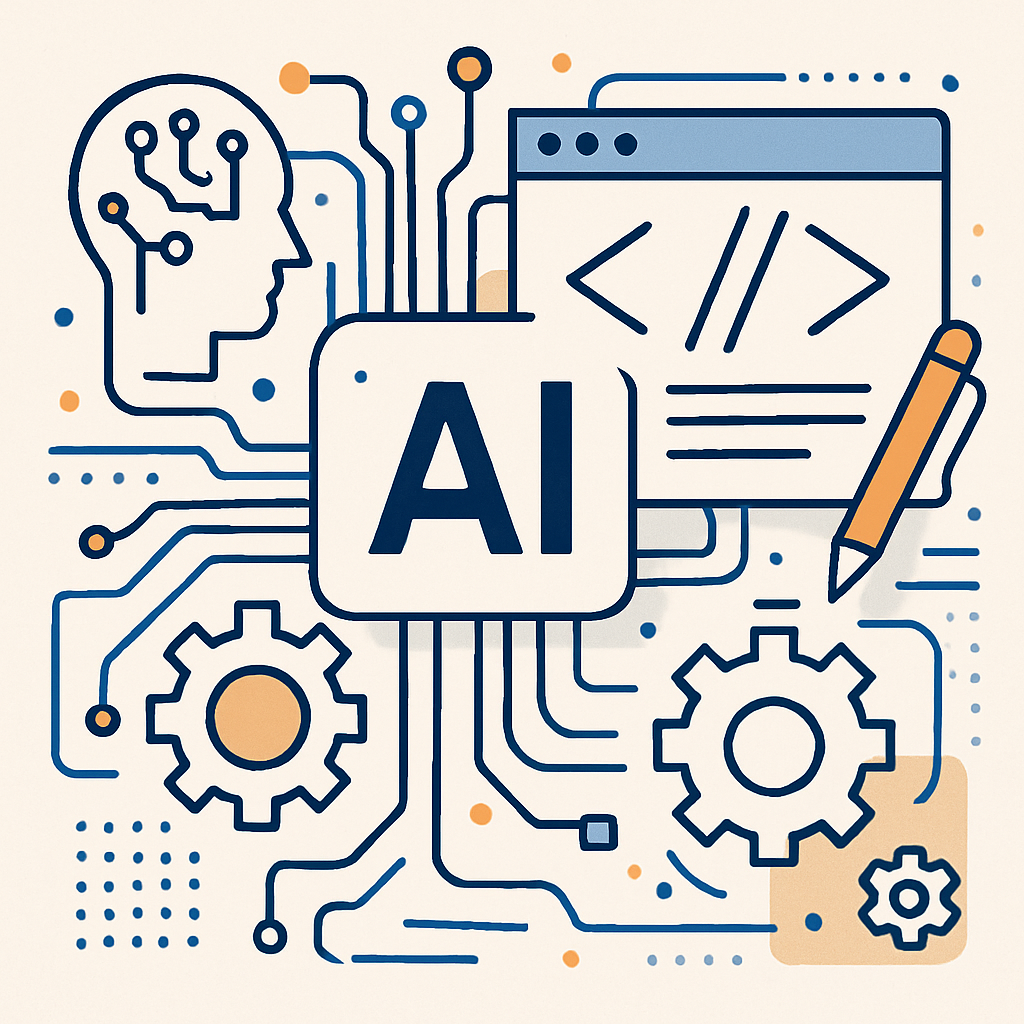
As we step into 2025–2026, the demand for rapid software development and deployment has never been higher. Businesses are under pressure to innovate quickly, and traditional coding methods are becoming bottlenecks. Enter Software 3.0, where AI-driven tools allow developers to focus on high-level design and logic, leaving the nitty-gritty of code generation to machines. This shift is crucial for staying competitive in a fast-paced digital world.
Deep Dive into Concepts
Software 3.0 leverages AI and machine learning to transform natural language descriptions into executable code. This approach is akin to having a conversation with your development environment, where you specify the desired functionality, and the system handles the implementation details.
Example: Building a REST API
Consider building a REST API with traditional methods. You'd typically define endpoints, write controllers, services, and data access layers. With Software 3.0, you might simply describe:
"I need a REST API for managing user profiles with CRUD operations."
The system would then generate the necessary code, including endpoint definitions, data models, and even database schema migrations.
// Pseudo-code generated by Software 3.0
@RestController
@RequestMapping("/api/users")
public class UserController {
    @Autowired
    private UserService userService;

    @GetMapping("/{id}")
    public ResponseEntity<User> getUser(@PathVariable Long id) {
        return ResponseEntity.ok(userService.getUserById(id));
    }

    // Additional CRUD operations...
}
Real-World Use Cases and Architecture Patterns
Use Case: E-commerce Platform
An e-commerce company could leverage Software 3.0 to rapidly prototype new features. By describing desired functionalities like "implement a recommendation engine" or "add a payment gateway," the system can generate the underlying code, allowing engineers to focus on refining algorithms and user experience.
Architecture Pattern: Microservices
In a microservices architecture, Software 3.0 can automate the creation of service interfaces and communication protocols. Engineers can describe service interactions, and the system ensures consistent API contracts and data flow.
Pros, Cons, and Challenges
Pros
- Speed: Rapid development and iteration.
- Focus: Engineers can concentrate on high-level design and problem-solving.
- Consistency: Automated code generation reduces human error.
Cons
- Complexity: Debugging AI-generated code can be challenging.
- Control: Less granular control over code specifics.
- Dependency: Reliance on AI tools may introduce new dependencies.
Challenges
- Quality Assurance: Ensuring the generated code meets quality standards.
- Security: Addressing potential vulnerabilities in AI-generated code.
Best Practices / Recommendations
- Iterative Testing: Continuously test AI-generated code to ensure functionality and security.
- Human Oversight: Maintain a balance between automation and human intervention.
- Tool Selection: Choose AI tools that integrate well with existing workflows and technologies.
Common Mistakes Engineers Make
- Over-reliance on AI: Assuming AI-generated code is flawless without thorough testing.
- Ignoring Documentation: Failing to document AI-generated code can lead to maintenance challenges.
- Neglecting Security: Overlooking security implications in automated code generation.
When NOT to Use This Approach
- Highly Specialized Systems: Where precise control over code is necessary.
- Legacy Systems: Integrating AI-generated code with legacy systems can be problematic.
- Security-Critical Applications: Where security cannot be compromised.
How This Impacts System Design Interviews
System design interviews may evolve to focus more on problem-solving and high-level architecture rather than low-level coding skills. Candidates might be evaluated on their ability to describe systems and leverage AI tools effectively.
Future Outlook
As AI continues to advance, Software 3.0 will become more sophisticated, capable of handling increasingly complex tasks. The role of software engineers will shift towards strategic design and oversight, with AI as a powerful ally in the development process.
Conclusion
Software 3.0 represents a transformative shift in how we approach programming. By describing what we want, we can harness the power of AI to accelerate development, reduce errors, and focus on innovation. As we embrace this new paradigm, it's essential to balance automation with human expertise, ensuring that the future of software development is both efficient and secure.
In this blog post, we've explored the exciting possibilities of Software 3.0, its real-world applications, and the challenges it presents. As we move forward, embracing this new approach will be key to staying ahead in the ever-evolving world of software engineering.