Supply Chain Attacks: How Malicious Packages End Up in Your App
In the fast-paced world of software development, where microservices and cloud-native architectures dominate, the threat landscape has evolved dramatically. One of the most insidious threats today is the supply chain attack, where malicious packages infiltrate your application, often without immediate detection. As we move into 2025 and beyond, understanding and mitigating these threats is more crucial than ever.

Why This Topic Matters NOW
The software supply chain is more complex than ever, with dependencies spanning across multiple layers and services. The rise of open-source software, while beneficial, has also opened doors for attackers to inject malicious code into widely-used libraries. With the increasing reliance on third-party packages, the potential for supply chain attacks has grown exponentially. In 2025, the stakes are higher as businesses face not only financial losses but also reputational damage and regulatory penalties.
Deep Dive into Concepts
What is a Supply Chain Attack?
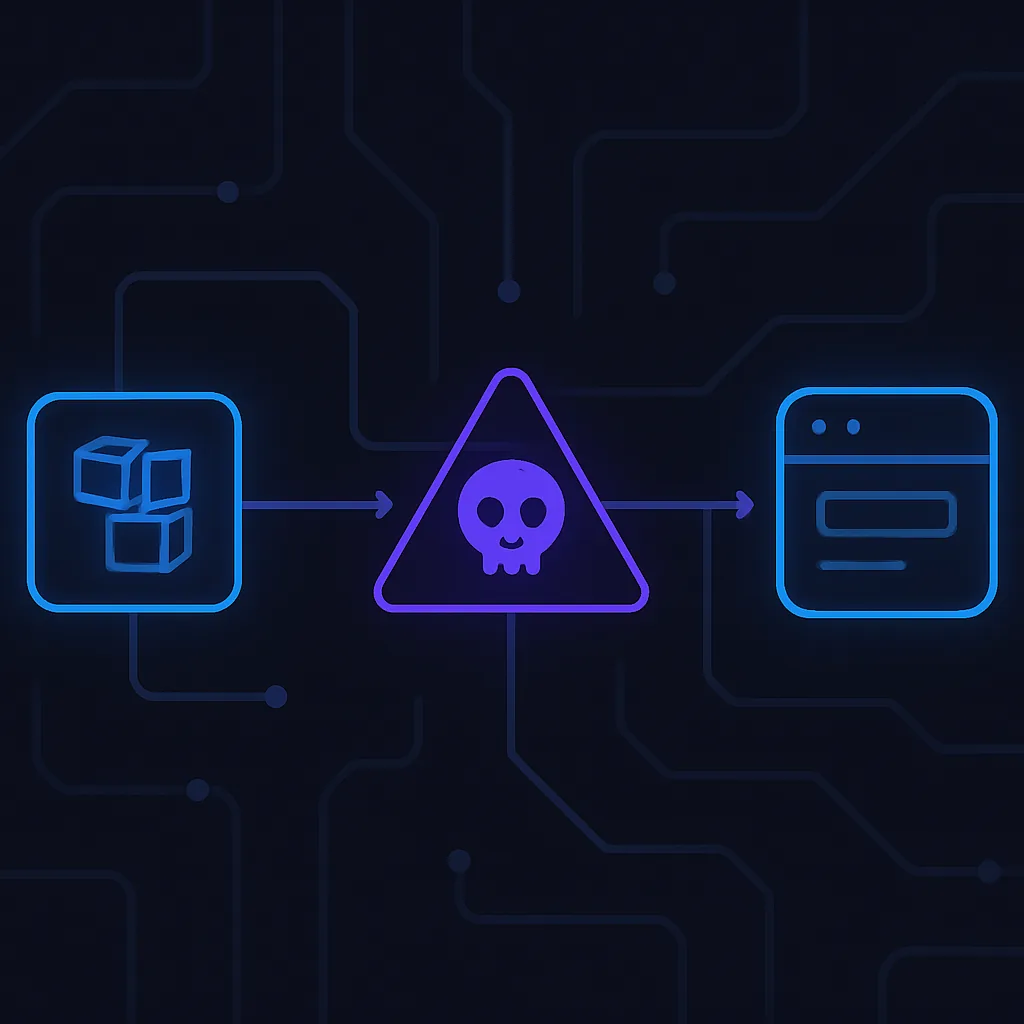
A supply chain attack targets the software development lifecycle by compromising a third-party service or library that is integrated into your application. This can happen through:
- Compromised Libraries: Attackers inject malicious code into popular open-source libraries.
- Infected Build Tools: Build tools or CI/CD pipelines are compromised to introduce vulnerabilities.
- Malicious Dependencies: New dependencies are introduced with hidden malicious intent.
Example: The EventStream Incident
A notable example is the EventStream incident, where a popular Node.js library was compromised. An attacker gained control of the library and added a dependency with malicious code, which was then propagated to thousands of applications.
// Example of a vulnerable dependency in a Maven project
<dependency>
    <groupId>com.example</groupId>
    <artifactId>malicious-lib</artifactId>
    <version>1.0.0</version>
</dependency>
Real-World Use Cases and Architecture Patterns
Microservices and API Gateways
In a microservices architecture, each service may have its own set of dependencies. An infected library in one service can potentially compromise the entire system. API gateways, which manage traffic between services, can also be a vector for attacks if not properly secured.
Pros, Cons, and Challenges
- Pros: Using third-party libraries accelerates development and leverages community expertise.
- Cons: Increased risk of introducing vulnerabilities and potential for widespread impact.
- Challenges: Keeping track of all dependencies and ensuring they are secure.
Best Practices / Recommendations
- Dependency Management: Regularly audit and update dependencies. Use tools like OWASP Dependency-Check or Snyk to identify vulnerabilities.
- Secure CI/CD Pipelines: Implement security checks in your CI/CD pipelines to detect and prevent malicious code from being deployed.
- Code Reviews and Static Analysis: Conduct thorough code reviews and use static analysis tools to catch potential vulnerabilities early.
- Least Privilege Principle: Limit permissions for services and users to only what is necessary.
Common Mistakes Engineers Make
- Ignoring Transitive Dependencies: Focusing only on direct dependencies and neglecting transitive ones can leave vulnerabilities unchecked.
- Overlooking Build Tools: Failing to secure build tools and environments can lead to compromised builds.
- Assuming Open Source is Safe: Blindly trusting open-source libraries without proper vetting.
When NOT to Use This Approach
- Critical Systems: For systems where security is paramount, consider building critical components in-house rather than relying on third-party libraries.
- Unverified Sources: Avoid using libraries from unverified or unknown sources, especially in production environments.
How This Impacts System Design Interviews
Understanding supply chain attacks is increasingly relevant in system design interviews. Candidates are expected to demonstrate awareness of security implications when designing systems, particularly in microservices and cloud environments.
Future Outlook
As we look to the future, the sophistication of supply chain attacks is likely to increase. AI-driven tools may be used both to detect and to perpetrate attacks. Organizations will need to adopt more advanced security measures, including AI-based anomaly detection and blockchain for verifying the integrity of software components.
Conclusion with Key Takeaways
Supply chain attacks represent a significant threat in today's software development landscape. By understanding how these attacks occur and implementing robust security practices, engineers can protect their applications and maintain trust with users. As the industry evolves, staying informed and proactive will be key to safeguarding the software supply chain.
In this blog post, we've explored the intricacies of supply chain attacks, their impact on modern software development, and strategies to mitigate these risks. As engineers, it's our responsibility to build secure systems that can withstand the evolving threat landscape.