The T-Shaped Engineer: Why Depth + Breadth Matters More Than Ever
In the ever-evolving world of software engineering, the concept of the T-shaped engineer has gained significant traction. As we navigate through 2025 and beyond, the demand for engineers who possess both deep expertise in a specific area and a broad understanding of related fields is more critical than ever. But why is this hybrid skill set so essential, and how does it impact the way we design and build systems today?
Why This Topic Matters NOW
The tech industry is in a state of constant flux, with new technologies and methodologies emerging at a rapid pace. The rise of microservices, cloud-native architectures, and AI-driven solutions has transformed the landscape, making it imperative for engineers to adapt quickly. In this context, the T-shaped engineer—who combines depth in a particular domain with a breadth of knowledge across various technologies—becomes invaluable.
The T-Shaped Engineer Defined
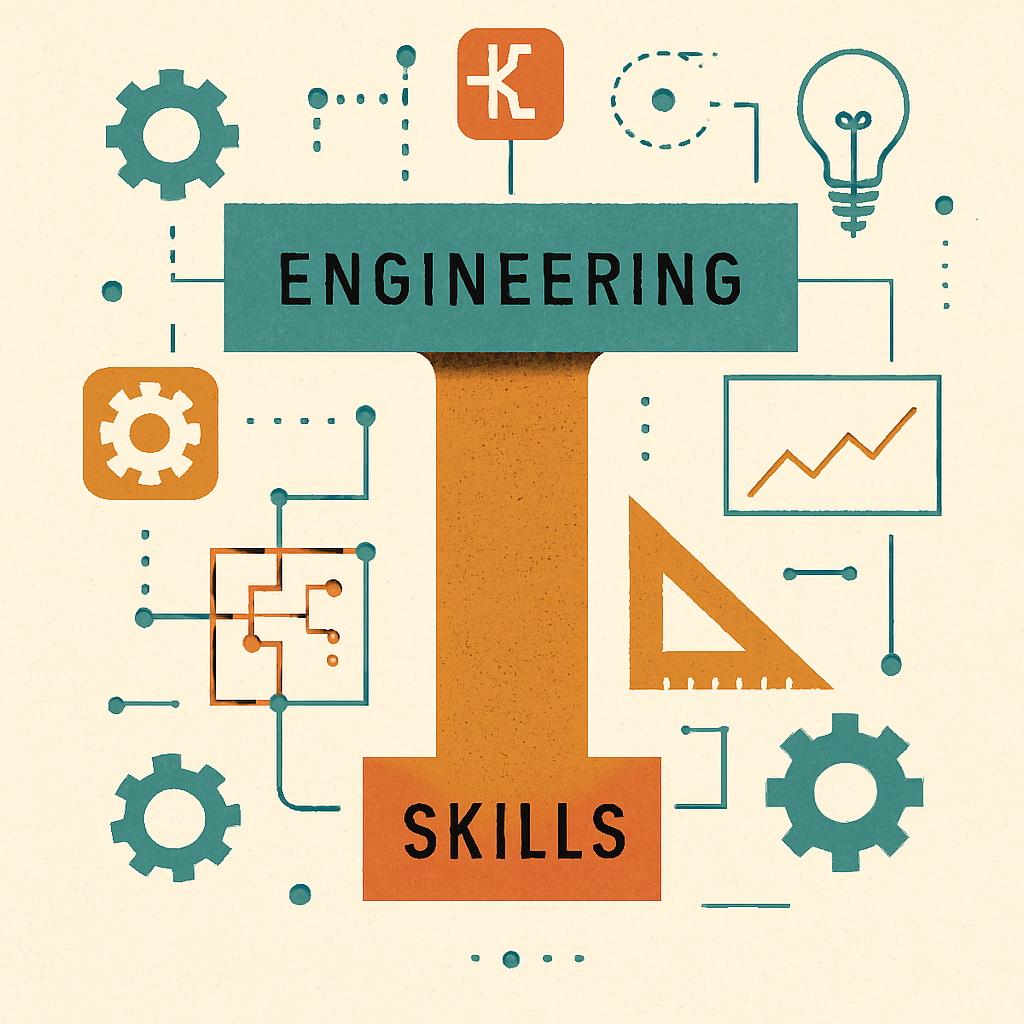
A T-shaped engineer has deep expertise in one area (the vertical bar of the "T") and a broad understanding of multiple other areas (the horizontal bar). This combination allows them to contribute effectively to cross-functional teams, bridging gaps between different domains and facilitating better communication and collaboration.
Deep Dive into Concepts
Real-World Use Cases and Architecture Patterns
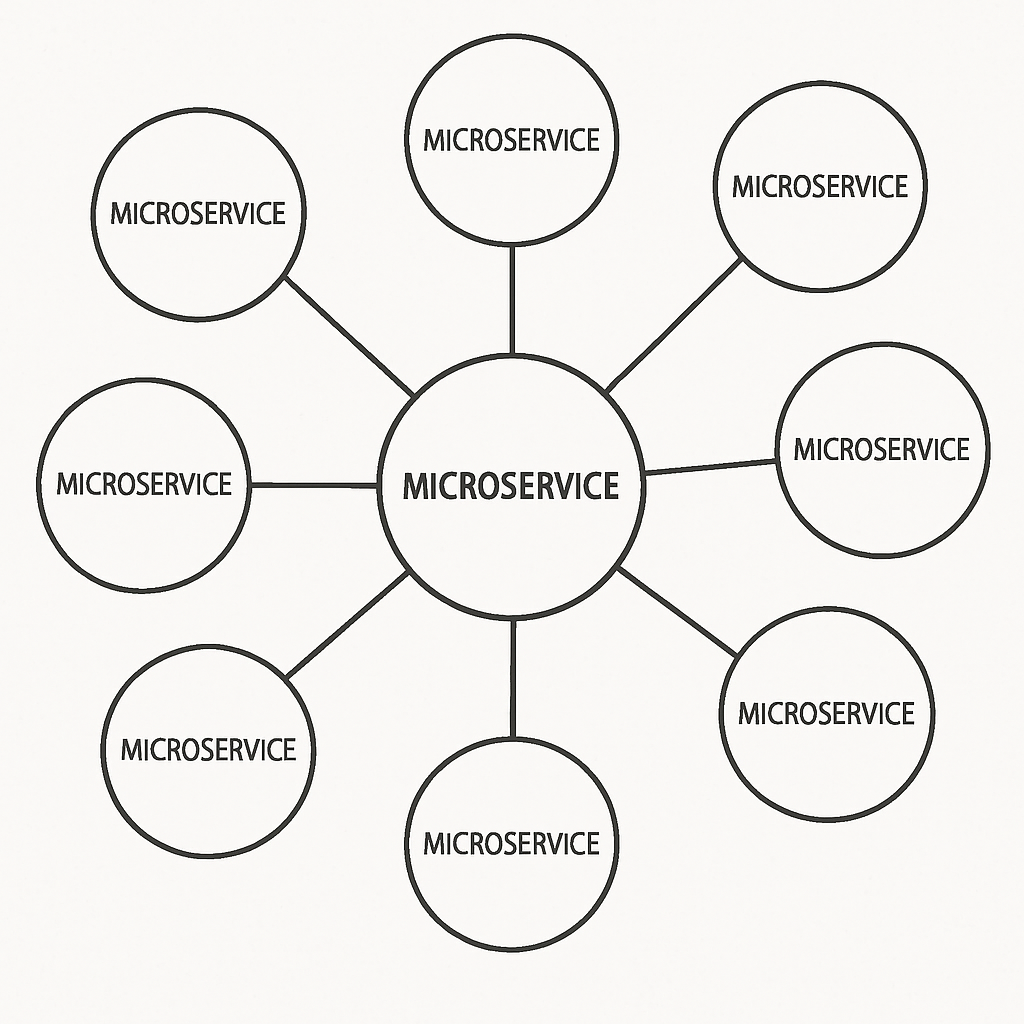
Consider a scenario where a company is transitioning from a monolithic architecture to a microservices-based system. A T-shaped engineer with deep knowledge of Java and Spring Boot (the vertical bar) can design and implement robust microservices. Simultaneously, their broad understanding of DevOps practices, cloud platforms, and containerization (the horizontal bar) enables them to integrate these services seamlessly into the existing infrastructure.
Pros, Cons, and Challenges
Pros:
- Versatility: T-shaped engineers can adapt to various roles and responsibilities, making them highly versatile.
- Collaboration: Their broad knowledge facilitates better communication with team members from different domains.
- Innovation: They can leverage their diverse skill set to drive innovation and solve complex problems.
Cons:
- Overwhelm: Balancing depth and breadth can be overwhelming, leading to burnout if not managed properly.
- Skill Dilution: There's a risk of becoming a "jack of all trades, master of none" if the focus on depth is lost.
Challenges:
- Continuous Learning: Staying updated with the latest technologies across multiple domains requires a commitment to lifelong learning.
- Time Management: Allocating time effectively to deepen expertise while expanding breadth is crucial.
Best Practices / Recommendations
- Focus on Core Strengths: Identify and develop deep expertise in a core area that aligns with your interests and career goals.
- Expand Horizontally: Gradually build knowledge in complementary areas that enhance your core skills.
- Leverage Cross-Training: Participate in cross-functional projects and training sessions to gain exposure to different technologies and methodologies.
- Embrace Lifelong Learning: Stay curious and continuously seek opportunities to learn and grow.
Common Mistakes Engineers Make
- Neglecting Depth: Focusing too much on breadth can lead to a lack of deep expertise, which is essential for solving complex problems.
- Ignoring Soft Skills: Technical skills are important, but communication and collaboration are equally crucial for a T-shaped engineer.
- Overcommitting: Taking on too many responsibilities can lead to burnout and decreased productivity.
When NOT to Use This Approach
- Highly Specialized Roles: In roles that require deep specialization, such as data science or cybersecurity, a T-shaped approach may not be suitable.
- Resource Constraints: In small teams with limited resources, focusing on depth in critical areas may be more beneficial than spreading too thin.
How This Impacts System Design Interviews
In system design interviews, T-shaped engineers can demonstrate their ability to think holistically about a problem. They can articulate how different components interact, consider trade-offs, and propose scalable solutions. Their broad knowledge allows them to address questions about integration, deployment, and maintenance effectively.
Future Outlook
As technology continues to evolve, the demand for T-shaped engineers will only increase. Organizations will seek individuals who can navigate complex systems, drive innovation, and adapt to changing environments. The ability to balance depth and breadth will be a key differentiator in the engineering landscape of the future.
Conclusion
The T-shaped engineer is more relevant than ever in today's fast-paced tech world. By combining deep expertise with broad knowledge, these engineers can drive innovation, enhance collaboration, and tackle complex challenges. As we move forward, embracing the T-shaped approach will be crucial for engineers looking to thrive in an ever-changing industry.
In conclusion, the T-shaped engineer is not just a trend but a necessity in the modern engineering landscape. By cultivating both depth and breadth, engineers can position themselves as invaluable assets to their organizations, ready to tackle the challenges of tomorrow.