
Understanding HTTPS Certificate Chains: What Really Happens in TLS Handshake
In the ever-evolving landscape of cybersecurity, understanding the nuances of HTTPS certificate chains and the TLS handshake is more critical than ever. As we move into 2025 and beyond, the stakes for secure communication over the internet have never been higher. With the proliferation of microservices, cloud-native architectures, and the increasing sophistication of cyber threats, engineers must grasp these concepts to build robust and secure systems.
Why This Topic Matters NOW
The digital world is rapidly advancing, and with it, the complexity of securing data in transit. As we approach 2026, the reliance on distributed systems and microservices has grown exponentially. This shift necessitates a deeper understanding of HTTPS and TLS, not just as protocols but as foundational elements of secure system design. The TLS handshake, in particular, is a critical process that ensures secure communication between clients and servers, and understanding it can be the difference between a secure system and a vulnerable one.
Deep Dive into HTTPS Certificate Chains and TLS Handshake
The TLS Handshake Process
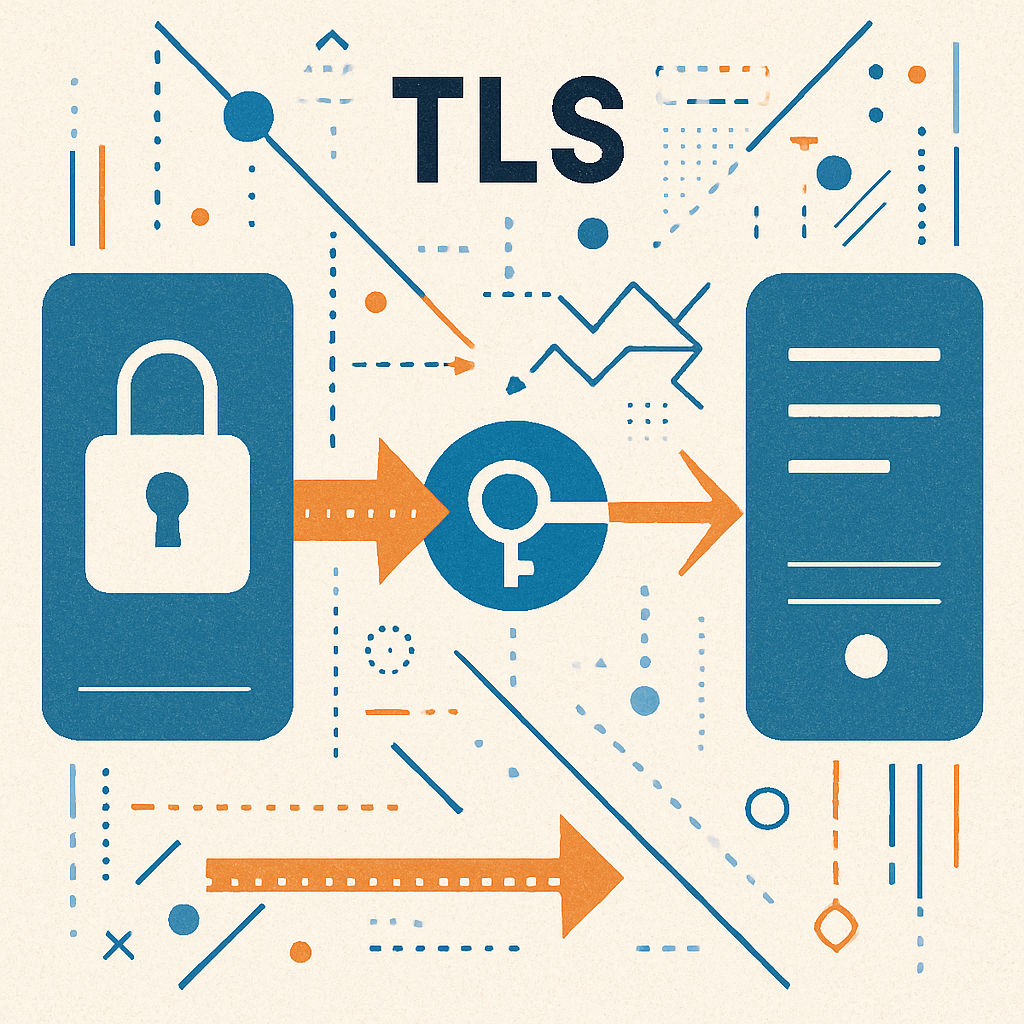
The TLS handshake is a multi-step process that establishes a secure connection between a client and a server. Here's a simplified breakdown:
- Client Hello: The client sends a "hello" message to the server, including supported cipher suites and the TLS version.
- Server Hello: The server responds with its chosen cipher suite and TLS version, along with its digital certificate.
- Certificate Verification: The client verifies the server's certificate against a chain of trust.
- Key Exchange: Both parties agree on a shared secret key using asymmetric encryption.
- Finished Messages: Both client and server send finished messages encrypted with the shared key, confirming the handshake.
Understanding Certificate Chains
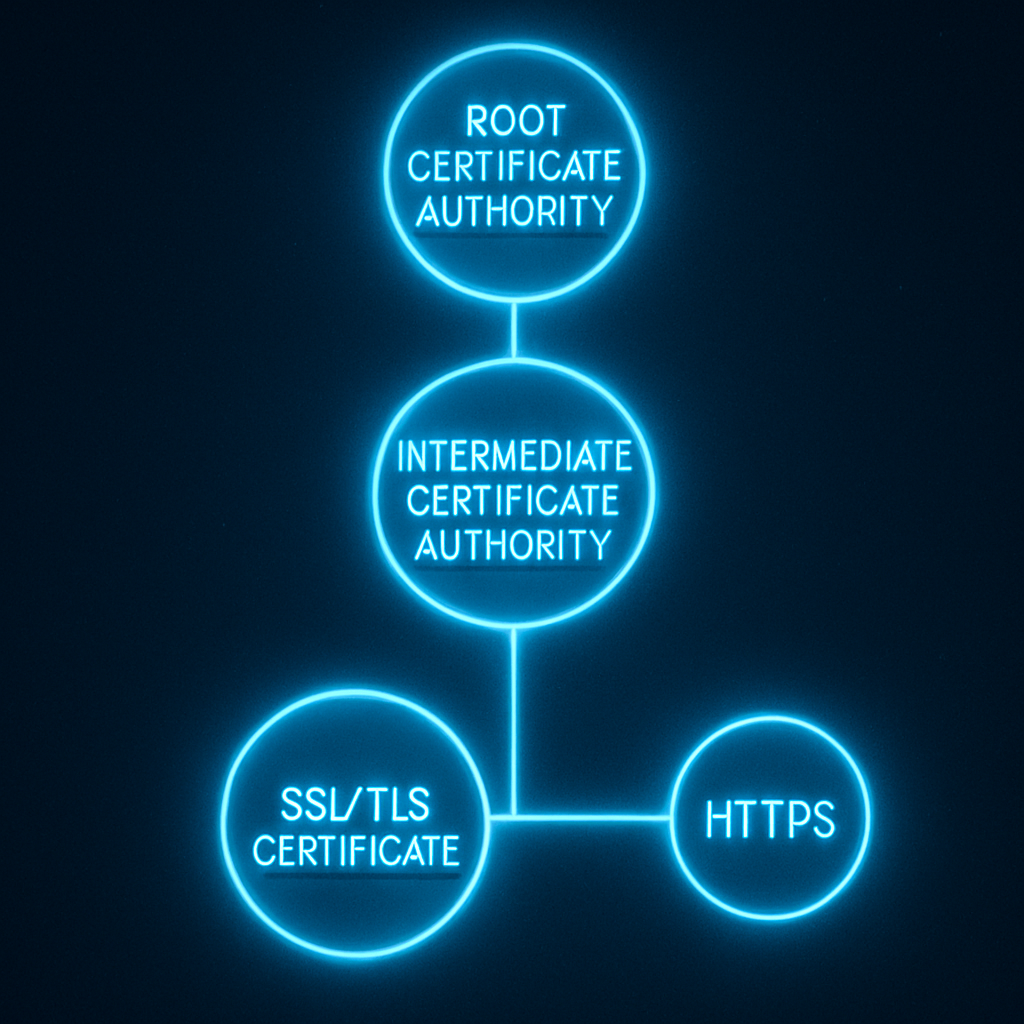
A certificate chain is a sequence of certificates, where each certificate in the chain is signed by the subsequent certificate. The chain typically starts with the server's certificate and ends with a root certificate from a trusted Certificate Authority (CA).
Real-World Use Cases and Architecture Patterns
In a microservices architecture, each service might communicate over HTTPS, necessitating multiple TLS handshakes. This can introduce latency, but it's crucial for ensuring data integrity and confidentiality. Companies often use service meshes like Istio to manage these handshakes efficiently.
Pros, Cons, and Challenges
Pros:
- Security: Ensures data is encrypted and secure.
- Trust: Establishes a chain of trust from client to server.
Cons:
- Performance Overhead: TLS handshakes can introduce latency.
- Complexity: Managing certificates and chains can be complex.
Challenges:
- Certificate Management: Keeping certificates up-to-date and managing renewals.
- Performance Tuning: Balancing security with performance, especially in high-load systems.
Best Practices / Recommendations
- Automate Certificate Management: Use tools like Let's Encrypt and Certbot to automate certificate issuance and renewal.
- Optimize Handshake Performance: Use session resumption techniques to reduce handshake overhead.
- Regular Audits: Conduct regular security audits to ensure certificate chains are valid and secure.
Common Mistakes Engineers Make
- Ignoring Expiry Dates: Failing to renew certificates before they expire can lead to service outages.
- Misconfigured Chains: Incorrectly configured certificate chains can break the chain of trust.
- Overlooking Performance: Not optimizing the handshake process can lead to unnecessary latency.
When NOT to Use This Approach
- Internal Communication: For internal service-to-service communication within a secure network, consider using lighter-weight encryption methods if performance is a concern.
- Non-Sensitive Data: If the data being transmitted is not sensitive, the overhead of TLS might not be justified.
How This Impacts System Design Interviews
Understanding TLS and certificate chains can set you apart in system design interviews. It demonstrates a deep understanding of security, which is crucial for designing scalable and secure systems. Interviewers often look for candidates who can balance security with performance, especially in distributed systems.
Future Outlook
As quantum computing becomes more prevalent, the cryptographic algorithms used in TLS may need to evolve. Engineers should stay informed about advancements in post-quantum cryptography and be prepared to adapt their systems accordingly.
Conclusion with Key Takeaways
Understanding HTTPS certificate chains and the TLS handshake is essential for building secure systems in today's digital landscape. By mastering these concepts, engineers can ensure their systems are both secure and performant, ready to meet the challenges of 2025 and beyond. Remember to automate certificate management, optimize handshake performance, and stay informed about future cryptographic advancements.