Vitess: MySQL Sharding for Massive Scale
In the ever-evolving landscape of software development, scaling databases to handle massive amounts of data and traffic is a perennial challenge. As applications grow, the need for efficient database sharding becomes critical. Enter Vitess, a powerful solution for MySQL sharding that has gained traction in recent years. But what makes Vitess stand out, and why should you consider it for your next project?

Why Vitess Matters Now
As we move into 2025 and beyond, the demand for scalable, distributed systems continues to rise. With the proliferation of microservices, cloud-native architectures, and global user bases, traditional monolithic databases often struggle to keep up. Vitess addresses these challenges by providing a robust framework for sharding MySQL databases, enabling horizontal scaling without sacrificing consistency or performance.
Deep Dive into Vitess
Vitess is an open-source database clustering system for horizontal scaling of MySQL. It was originally developed at YouTube to handle their massive scale and has since been adopted by many other companies. Here's how it works:
Architecture Overview
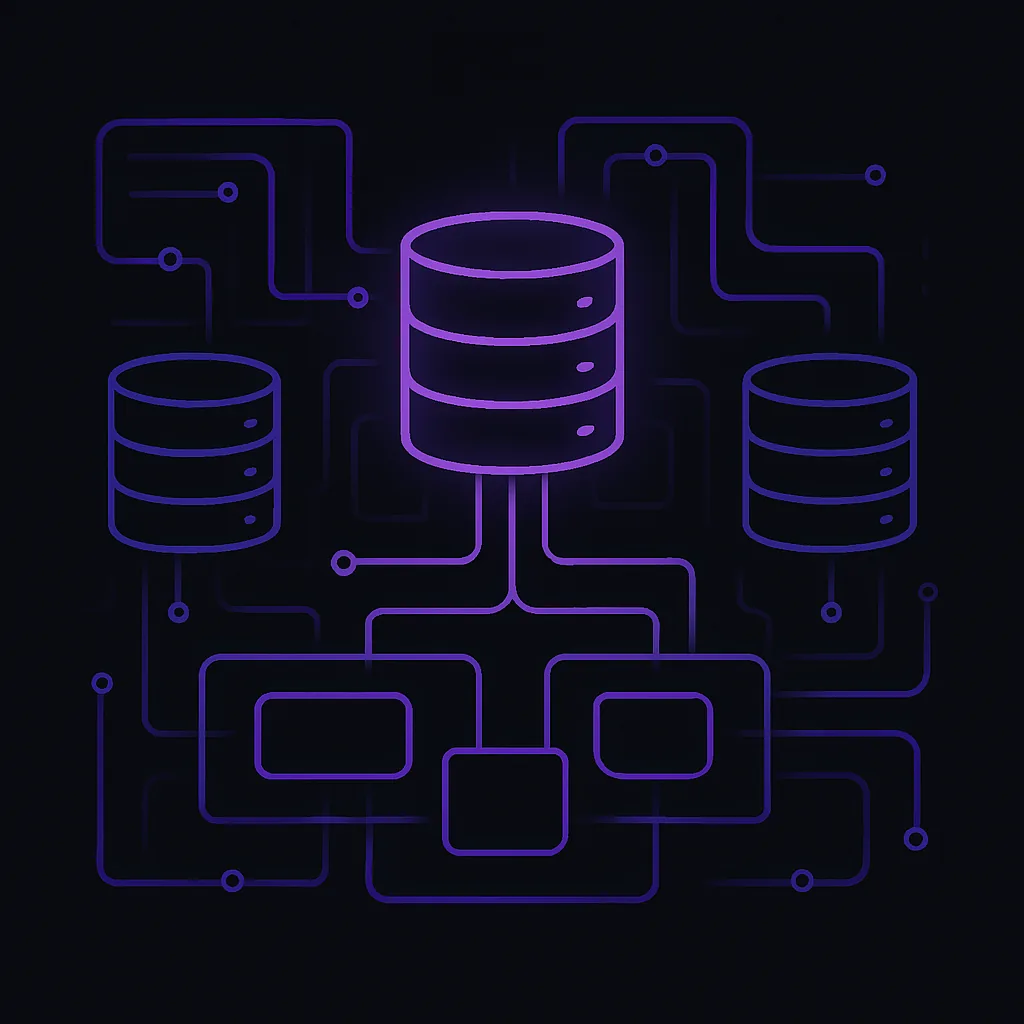
Vitess operates by abstracting the MySQL database layer, allowing it to manage multiple MySQL instances as a single logical database. It achieves this through a combination of components:
- VTGate: A stateless proxy that routes queries to the appropriate shards.
- VTTablet: A daemon that manages a single MySQL instance, handling replication and query execution.
- Topology Server: Stores metadata about the cluster, such as shard mappings and replication topology.
Real-World Use Cases
Several high-profile companies have successfully implemented Vitess to manage their database scaling needs:
- Slack: Uses Vitess to handle billions of messages and interactions daily.
- GitHub: Leverages Vitess for its massive code repository and collaboration platform.
- Square: Employs Vitess to manage financial transactions and data integrity.
These companies benefit from Vitess's ability to scale horizontally, maintain high availability, and provide strong consistency guarantees.
Pros, Cons, and Challenges
Pros
- Scalability: Vitess allows for seamless horizontal scaling by adding more shards.
- Consistency: Provides strong consistency models, crucial for transactional applications.
- Compatibility: Works with existing MySQL applications with minimal changes.
Cons
- Complexity: Setting up and managing a Vitess cluster can be complex and requires a deep understanding of its architecture.
- Operational Overhead: Requires additional infrastructure and monitoring to manage the cluster effectively.
Challenges
- Data Distribution: Choosing the right sharding key is critical and can impact performance.
- Migration: Moving from a monolithic database to a sharded architecture requires careful planning and execution.
Best Practices and Recommendations
- Start Small: Begin with a small number of shards and scale as needed.
- Automate: Use automation tools for deployment and monitoring to reduce operational overhead.
- Monitor Performance: Regularly monitor query performance and adjust shard configurations as necessary.
Common Mistakes Engineers Make
- Ignoring Shard Key Design: Poor shard key design can lead to uneven data distribution and hotspots.
- Underestimating Complexity: Failing to account for the complexity of managing a distributed system can lead to operational challenges.
When NOT to Use This Approach
- Small Applications: For applications with modest data and traffic requirements, the complexity of Vitess may not be justified.
- Non-Transactional Workloads: If strong consistency is not a requirement, simpler NoSQL solutions might be more appropriate.
How This Impacts System Design Interviews
Understanding Vitess and its architecture can be a valuable asset in system design interviews. It demonstrates your ability to handle large-scale data challenges and your familiarity with modern database solutions. Be prepared to discuss trade-offs, such as complexity versus scalability, and how you would implement Vitess in a real-world scenario.
Future Outlook
As cloud-native technologies continue to evolve, Vitess is well-positioned to remain a key player in the database scaling space. Its integration with Kubernetes and support for multi-cloud deployments make it a versatile choice for future-proofing your database architecture.
Conclusion
Vitess offers a compelling solution for MySQL sharding, enabling massive scale while maintaining consistency and performance. By understanding its architecture, benefits, and challenges, you can make informed decisions about when and how to implement Vitess in your projects. As we look to the future, mastering tools like Vitess will be essential for building scalable, resilient systems.
In this blog post, we've explored the intricacies of Vitess and its role in modern database scaling. Whether you're considering Vitess for your next project or preparing for a system design interview, understanding its capabilities and limitations will be invaluable.