Zero-Downtime Schema Changes: Achieving Seamless Database Migrations
The Challenge of Schema Changes Without Downtime
Imagine deploying a new feature that requires a database schema change, only to find your application throwing errors or experiencing downtime. This is a common scenario that can lead to frustrated users and lost revenue. The challenge is to evolve your database schema without interrupting service, a task that requires careful planning and execution.
Context and Assumptions
This post assumes a stack using Java 21, Spring Boot 3.3, and Postgres 16, handling approximately 2,000 requests per second in a single-region deployment. While the principles discussed can apply to other stacks, the specific examples and code snippets are tailored to this environment. Out of scope are migrations involving NoSQL databases or multi-region deployments.
Why Zero-Downtime Matters in 2025-2026
As we move further into the era of continuous delivery and microservices, the ability to deploy changes without downtime is more critical than ever. Users expect seamless experiences, and any interruption can lead to churn. Moreover, with the rise of global applications, downtime in one region can affect users worldwide. Zero-downtime migrations are not just a nice-to-have but a necessity for competitive businesses.
Step-by-step Walkthrough of the Approach
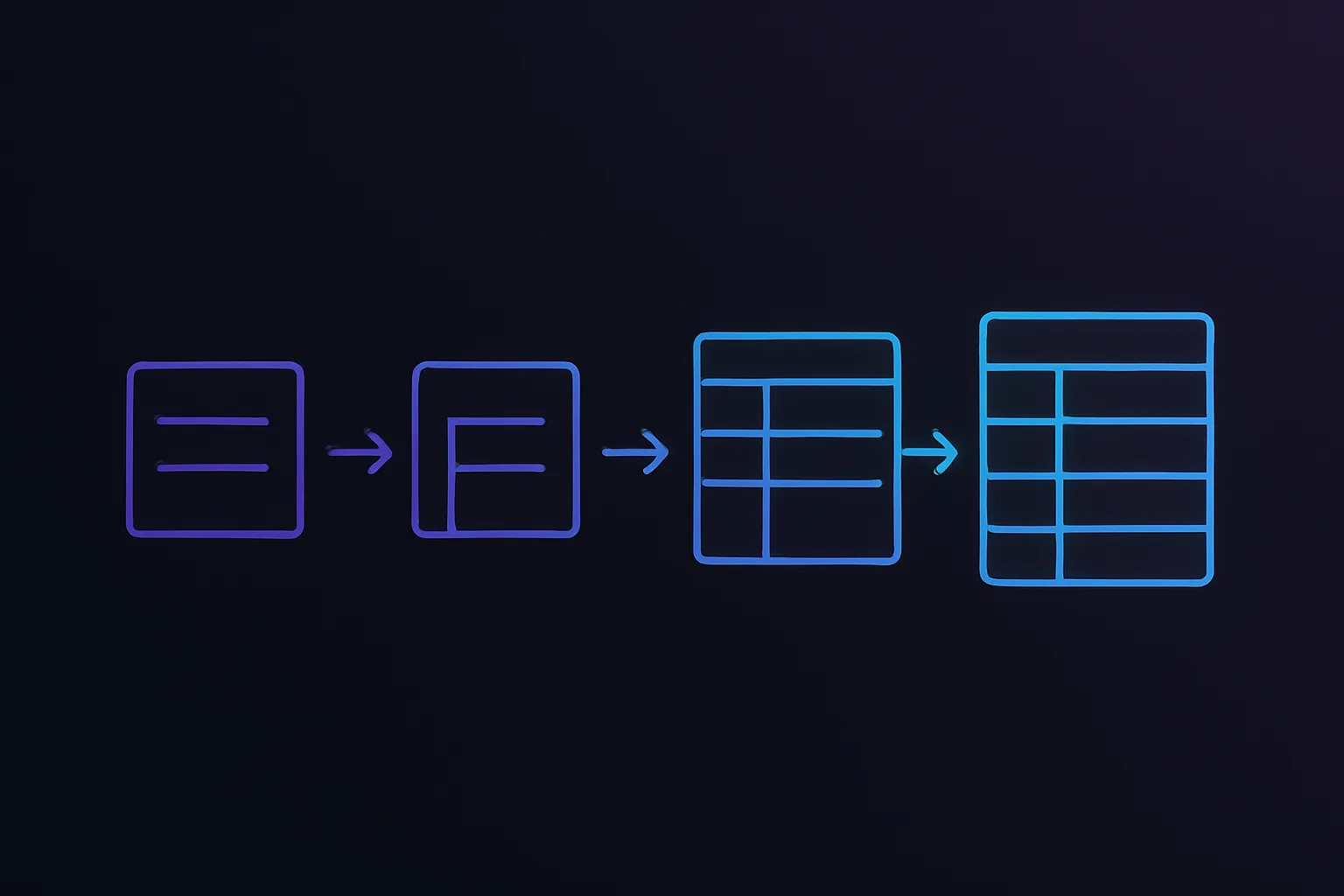
- Additive Changes First: Start by making non-breaking changes. For example, if you need to rename a column, first add the new column with the desired name.
sql
   ALTER TABLE users ADD COLUMN new_column_name VARCHAR(255);
This step ensures that existing applications continue to function without any changes.
- Dual Writes: Update your application to write to both the old and new columns. This ensures data consistency during the transition period.
java
   // Writing to both columns
   user.setOldColumnName(value);
   user.setNewColumnName(value);
- Backfill Data: Migrate existing data from the old column to the new column. This can be done in batches to minimize load on the database.
sql
   UPDATE users SET new_column_name = old_column_name WHERE new_column_name IS NULL;
- Switch Reads: Once the data is backfilled, update your application to read from the new column.
java
   // Reading from the new column
   String value = user.getNewColumnName();
- Remove Old Schema Elements: Finally, once you are confident that the new column is fully in use, remove the old column.
sql
   ALTER TABLE users DROP COLUMN old_column_name;
Real-world Use Cases or Architecture Patterns
Many companies, such as Netflix and Amazon, have implemented zero-downtime migrations using similar strategies. They often employ feature toggles to control the rollout of schema changes, allowing them to test in production without impacting users. This approach is particularly useful in microservices architectures, where different services may need to be updated independently.
Common Mistakes Engineers Make
- Skipping the Backfill: Failing to backfill data can lead to inconsistencies, especially if the old column is removed prematurely.
- Ignoring Performance Impacts: Large-scale backfills can degrade performance if not managed properly. Always monitor and throttle these operations.
- Lack of Rollback Plan: Always have a rollback plan in case something goes wrong. This might involve reverting application changes or restoring database backups.
Trade-offs and When NOT to Use This Approach
While zero-downtime migrations are ideal, they come with trade-offs. They require more complex application logic and thorough testing. In some cases, such as small internal applications with limited users, the complexity may not be justified. Additionally, if your database supports native online schema changes, leveraging those features might be more efficient.
How This Impacts System Design Interviews
Understanding zero-downtime migrations can be a differentiator in system design interviews. It demonstrates your ability to think about scalability, user experience, and operational resilience. Be prepared to discuss trade-offs and how you would implement such strategies in different scenarios.
Practical Recap
- Plan Additive Changes: Always start with non-breaking changes.
- Implement Dual Writes: Ensure data consistency by writing to both old and new schema elements.
- Backfill Data Carefully: Use batch processing to minimize performance impacts.
- Monitor and Adjust: Keep an eye on performance and be ready to adjust your approach.
- Have a Rollback Plan: Always be prepared to revert changes if necessary.
By following these strategies, you can achieve zero-downtime schema changes, ensuring your applications remain available and performant during updates.